


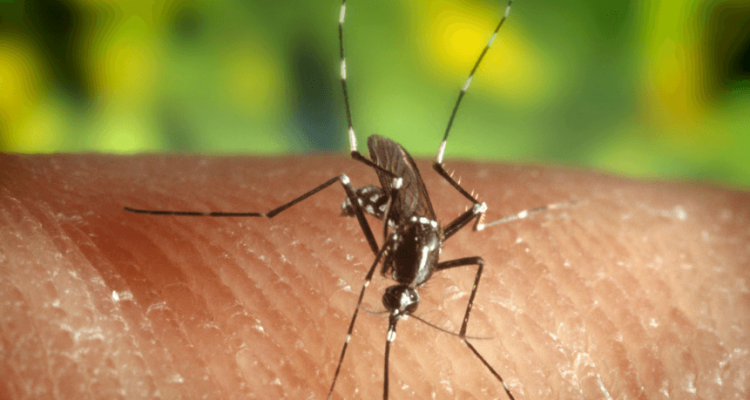
There has been a great deal of media interest in the latest outbreak of the Zika virus.
Secret Flying has created this question-answer post to help you better understand the virus and how to stay safe.
What is the Zika virus?
The Zika virus is a member of the Flaviviridae virus family. In humans, it initially causes an illness known as Zika fever, similar to a mild form of dengue fever, for which there is no cure. It is transmitted by daytime-active mosquitoes, such as the Aedes aegypti. There is growing evidence of a link between Zika fever and microcephaly in newborn babies of infected mothers.
What is microcephaly?
Microcephaly is a neurodevelopmental disorder. It is usually defined as a head circumference more than two standard deviations below the mean for age and sex. In general, life expectancy for individuals with microcephaly is reduced and the prognosis for normal brain function is poor.
In rare cases, the disease may also lead to complications including Guillain-Barre syndrome, a disorder of the nervous system which can cause paralysis.
So only pregnant women are affected?
Not necessarily. Currently, not enough research has been done to fully understand the virus. It is possible that men can carry the virus and transmit it through saliva and semen.
Is it a newly discovered disease?
No. The Zika virus was first discovered in monkeys in 1947 in Uganda’s Zika Forest, with the first human case registered in Nigeria in 1954. However, for decades it did not appear to pose much of a threat to humans and so was largely ignored by the scientific community.
In 2014, the virus spread eastward across the Pacific Ocean to French Polynesia, then to Easter Island and in 2015 to Central America, the Caribbean, and South America, where the Zika outbreak has reached pandemic levels.
What are the symptoms?
About 1 in 5 people infected with the Zika virus actually fall ill. For those that do, the most common symptoms are fever, rash, joint pain, or conjunctivitis (red eyes), which typically last up to a week. The incubation period (the time from exposure to symptoms) is not exactly known, but is likely to be a few days.
The Zika virus usually remains in the blood of an infected person for a few days but it can be found longer in some people.
Severe disease requiring hospitalization is uncommon and deaths are very rare.
Is there a vaccine?
Not yet… and unfortunately there may not be one for at least 10 years.
The search for a vaccine is being led by scientists at the University of Texas Medical Branch. They have visited Brazil to carry out research and collect samples, and are now analysing them in a suite of high-security laboratories in Galveston, Texas.
But they warn that although a vaccine could be ready for testing in two years, it may be another decade for it to be approved by regulators.
What precautions can I take?
If you are pregnant or actively trying for a baby, health officials strongly advise you to not visit countries that are experiencing an outbreak of the virus.
If you do choose to go, bear in mind that the virus is transmitted by daytime-active mosquitoes. So put on plenty of repellent and wear long-sleeve tops and bottoms throughout the day.
I’ve already booked my flights but no longer want to go. What can I do?
Fortunately, several major airlines are offering refunds or itinerary changes for flights booked to infected areas. Some have conditions, e.g. only medically certified pregnant women and their travelling companions are eligible.
Click here for more info.
The following countries have reported confirmed Zika virus infections in the past nine months: Barbados, Bolivia, Brazil, Cape Verde, Colombia, Ecuador, El Salvador, Fiji, French Guiana , Guadeloupe , Guatemala , Guyana, Haiti, Honduras, Maldives, Martinique, Mexico, New Caledonia, Panama, Paraguay, Puerto Rico, St. Martin, Samoa, Solomon Islands, Suriname, Thailand, Venezuela.
 [adblockingdetector id="638efa67113bf"]