


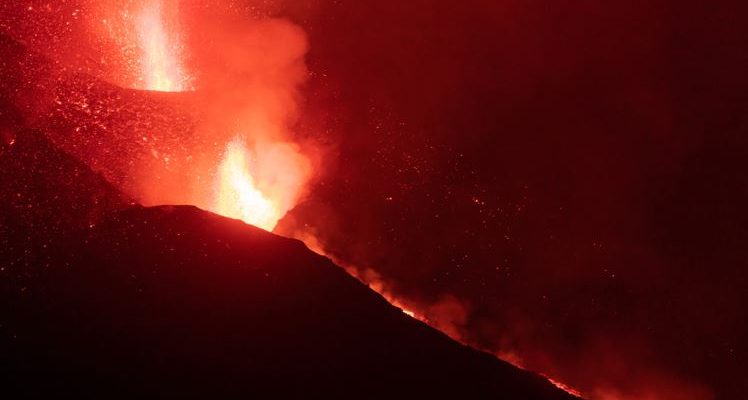
Bali flights disrupted by volcanic ash cloud.
Flights connecting Bali with various international destinations were significantly disrupted on Wednesday following a powerful eruption from Mount Lewotobi Laki-Laki in eastern Indonesia. The volcano, located on the island of Flores, spewed an enormous ash plume soaring 10 kilometres into the atmosphere, prompting widespread cancellations.
Mount Lewotobi Laki-Laki, which stands at 1,584 metres, erupted on Tuesday and caused authorities to escalate the alert status to the highest level within Indonesia’s four-stage warning system. The heightened danger level prompted immediate actions by aviation authorities and local officials.
Angkasa Pura Indonesia, the state-owned airport operator, confirmed in a statement that multiple flights at Bali’s I Gusti Ngurah Rai International Airport had been cancelled due to the volcanic activity. Affected carriers included major international airlines such as Jetstar and Virgin Australia, which serve routes across Australia, alongside other airlines like Air India, Air New Zealand, Tigerair from Singapore, and Juneyao Airlines from China.
Jetstar, in an update on its website, stated that its services to and from Bali were suspended temporarily, although the airline anticipated that conditions might improve later in the day. “Forecasts show the ash cloud is expected to clear by later tonight,” Jetstar reported, indicating plans to resume flights in the evening where possible.
Meanwhile, several domestic flights, particularly those operated by AirAsia to Labuan Bajo—another well-known tourist destination on Flores—were also called off. Despite these setbacks, a representative from Bali airport’s customer service centre noted that the airport itself remained open. “Operations are normal, but it varies based on the flight route and airline,” she remarked, choosing to remain anonymous.
Reports from the country’s disaster mitigation agency revealed that volcanic ash had blanketed multiple villages in the surrounding region. Emergency services were forced to evacuate at least one village late Tuesday as a precaution. Authorities also noted the continued detection of tremors, suggesting that the volcano remained active.
The geological agency issued a stern advisory urging residents and visitors to steer clear of a seven-kilometre radius from the volcano’s crater. There were further warnings about potential lahar flows—volcanic mudslides—that could develop if heavy rainfall were to occur, particularly near river systems.
Fortunately, there have been no immediate reports of injuries or infrastructure damage. Nevertheless, the incident brought back memories of an eruption in November, which led to the deaths of nine people, halted many international flights, and displaced thousands of residents.
Mount Lewotobi Laki-Laki, whose name translates to “man” in the local language, is geologically linked to a nearby dormant peak known as “woman.” This volcanic pair sits within the Pacific “Ring of Fire,” a highly active seismic zone that causes Indonesia to experience frequent eruptions and earthquakes.
 [adblockingdetector id="638efa67113bf"]