


North Korea halts foreign visits to beach resort.
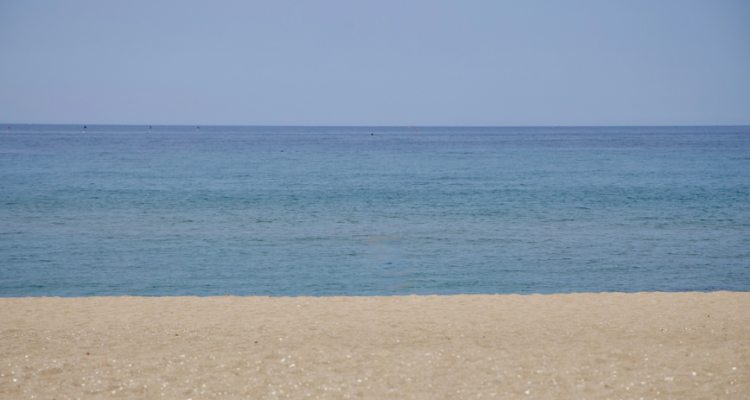
A newly launched luxury beach resort in North Korea has abruptly stopped accepting foreign tourists, despite being praised by leader Kim Jong Un as a major national success this year. The restriction casts doubt on the future of the high-profile development.
According to a notice published by DPR Korea Tour, a site linked to the North Korean tourism bureau, the Wonsan-Kalma coastal resort is “temporarily not receiving foreign tourists.” No specific explanation was given, nor was a timeline provided for when the ban might be lifted.
The Wonsan-Kalma resort, located on the country’s eastern shoreline, reportedly has the capacity to host nearly 20,000 visitors. It was first opened to domestic holidaymakers on 1 July, followed by a limited visit from a group of Russian tourists. Many had anticipated that Chinese visitors would be the next to gain access, with most other international travellers continuing to be excluded.
This decision came shortly after Russian Foreign Minister Sergey Lavrov visited the site, holding discussions with both Kim Jong Un and Foreign Minister Choe Son Hui. During the visit, Lavrov assured North Korea of steps to boost travel by Russian nationals to the resort, expressing optimism about its appeal.
Despite this, analysts believe the sudden change in policy may have stemmed from a Russian journalist’s report. The article suggested that many North Koreans at the resort were not genuine tourists but had been mobilised by authorities, potentially to create an illusion of popularity.
Oh Gyeong-seob from the Korea Institute for National Unification in Seoul noted that Pyongyang might fear negative attention or exposure if more foreigners were allowed to visit under these circumstances. While the ban seems to include Russians, some sources believe that they may still be permitted entry despite the general halt.
Lee Sangkeun, from Seoul’s Institute for National Security Strategy, proposed that the issue might also involve practical concerns such as a lack of interest from Russian tourists due to travel distance and cost.
Experts agree that the Wonsan-Kalma complex, North Korea’s largest tourist project, will eventually need to attract paying visitors from abroad to recoup its development costs. Without income from foreign currencies like rubles, yuan, or dollars, sustaining operations could prove impossible.
Ahn Chan-il, head of the World Institute for North Korean Studies, stated that financial pressures would likely force authorities to reopen the resort to foreigners soon. The resort is central to Kim’s broader tourism ambitions and was described by him as a symbolic milestone in the country’s development.
North Korea has been gradually reopening its borders after years of strict pandemic-related closures, but international tourism has not fully resumed. Chinese group tours, which formed the backbone of the country’s pre-pandemic tourism industry, remain suspended. Earlier this year, a pilot tourist group was briefly allowed into the Rason region before the initiative was promptly halted.
 [adblockingdetector id="638efa67113bf"]