


Rising costs and changing trends reshape Las Vegas tourism.
Las Vegas is experiencing a noticeable downturn this summer, as both domestic and international visitors scale back travel plans due to soaring expenses. Official statistics reveal that hotel occupancy fell by 6.5%, while overall visitor numbers in June dropped by more than 11% compared to the previous year. Even Harry Reid International Airport reported a 4% decrease in passenger traffic, indicating a wider economic slowdown for the city.
Many tourists cite escalating costs as the main deterrent. Reports describe coffee priced at $9, buffet meals reaching $100, and premium experiences like the Sphere’s VIP movie packages costing as much as $279. Despite a slight decline in average room rates to $163.64, hidden resort charges and high nightly prices continue to drive the perception that Las Vegas has become unaffordable for the average visitor.
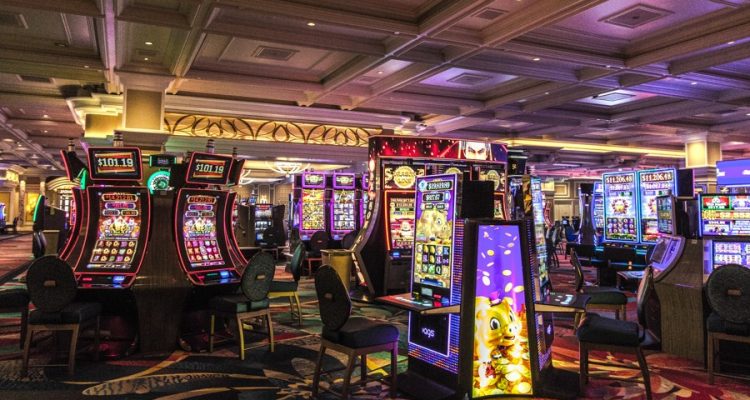
Locals have noted the impact on the city’s atmosphere, with some describing the iconic Strip as resembling a “ghost town.” Social media posts showing empty casinos and lobbies have added to the concern. Hospitality workers, who rely heavily on tips, have reportedly seen their gratuities cut in half despite recent legislation allowing tip income to remain tax-free.
The hospitality sector, employing around 300,000 residents, is particularly vulnerable as visitor spending drops. International tourism has also taken a hit, with Canadian arrivals falling nearly 20%. Analysts suggest strained diplomatic relations with the Trump administration and increased visa-related costs have contributed to the decline, further straining the local economy.
Industry experts warn that unless prices are adjusted to be more accessible, middle-class travellers may continue to avoid Las Vegas. While certain off-Strip and downtown venues have enjoyed modest increases in foot traffic thanks to lower costs and the absence of resort fees, the Strip’s pivot toward luxury-focused experiences risks alienating long-time patrons.
In recent years, Las Vegas has gradually moved away from its image as a budget-friendly entertainment hub. New developments like the forthcoming guitar-shaped Hard Rock Las Vegas, set to replace the Mirage in 2027, and recently opened mega-resorts such as the $3.7 billion Fontainebleau and the tech-forward Resorts World, signal a deliberate shift toward high-end tourism.
Casinos and resorts are investing in AI-powered concierge systems, personalised guest services, and exclusive group packages. While these offerings are designed to attract wealthier clientele, some locals argue that the emphasis on opulence has stripped the Strip of its former charm, making it feel more like a corporate revenue machine than the affordable playground it once was.
 [adblockingdetector id="638efa67113bf"]