


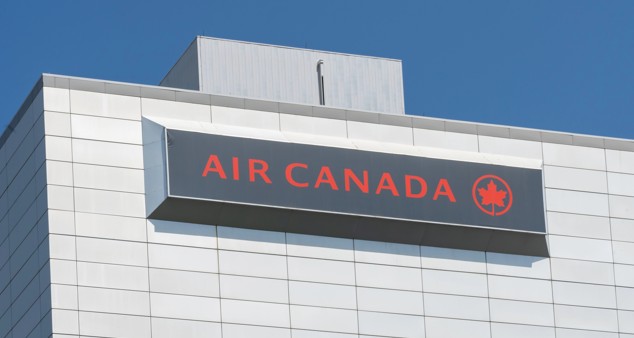
Air Canada strike ends after breakthrough agreement.
Air Canada flights are set to resume after a deal was reached between the airline and the union representing more than 10,000 flight attendants. The agreement brings an end to a strike that had grounded aircraft and left hundreds of thousands of passengers stranded across the country since the weekend.
The Canadian Union of Public Employees (CUPE), which represents cabin crew, announced a tentative deal late on Tuesday, describing it as a “transformational” step for both workers and the wider aviation industry. Air Canada confirmed the agreement and said operations would gradually restart, though it could take several days before services return to normal due to planes and staff being out of position.
The breakthrough came after nearly nine hours of talks overseen by a government-appointed mediator. CUPE declared that “unpaid work is over,” calling the outcome a historic moment for the sector. The union also urged its members to cooperate fully in restoring normal operations, while emphasising that the settlement must still be ratified by staff.
The dispute intensified earlier in the week when the Canadian Industrial Relations Board ruled the strike unlawful and ordered flight attendants back to work. CUPE defied the directive, arguing the board’s ruling undermined workers’ rights. The government had also attempted to push both sides into binding arbitration, but the union resisted, accusing officials of bowing to corporate interests.
Air Canada said it had offered a 38% rise in total pay and benefits over four years, with a 25% boost in the first year. However, CUPE argued the proposal fell below inflation and market rates, and would still leave cabin crew unpaid for time spent boarding passengers or waiting at airports before flights. The union claimed this was a long-standing issue in the industry that needed urgent reform.
Following the standoff, Canada’s Jobs Minister Patty Hajdu called on both parties to resume negotiations and announced a forthcoming investigation into allegations of unpaid labour in the airline sector. The strike, lasting nearly four days, disrupted more than 500,000 passengers. As Canada’s largest carrier, Air Canada normally runs around 700 flights a day, covering both domestic and international routes, making the impact of the industrial action severe.
While the full details of the settlement have not been released, both the airline and the union have signalled it represents a significant shift. Air Canada said it would not comment further until workers had voted on the agreement. For now, passengers can expect a staggered return to service, with the airline warning that the knock-on effects may take time to resolve.
 [adblockingdetector id="638efa67113bf"]