


Best Things to Do in Tripoli: A Complete Guide
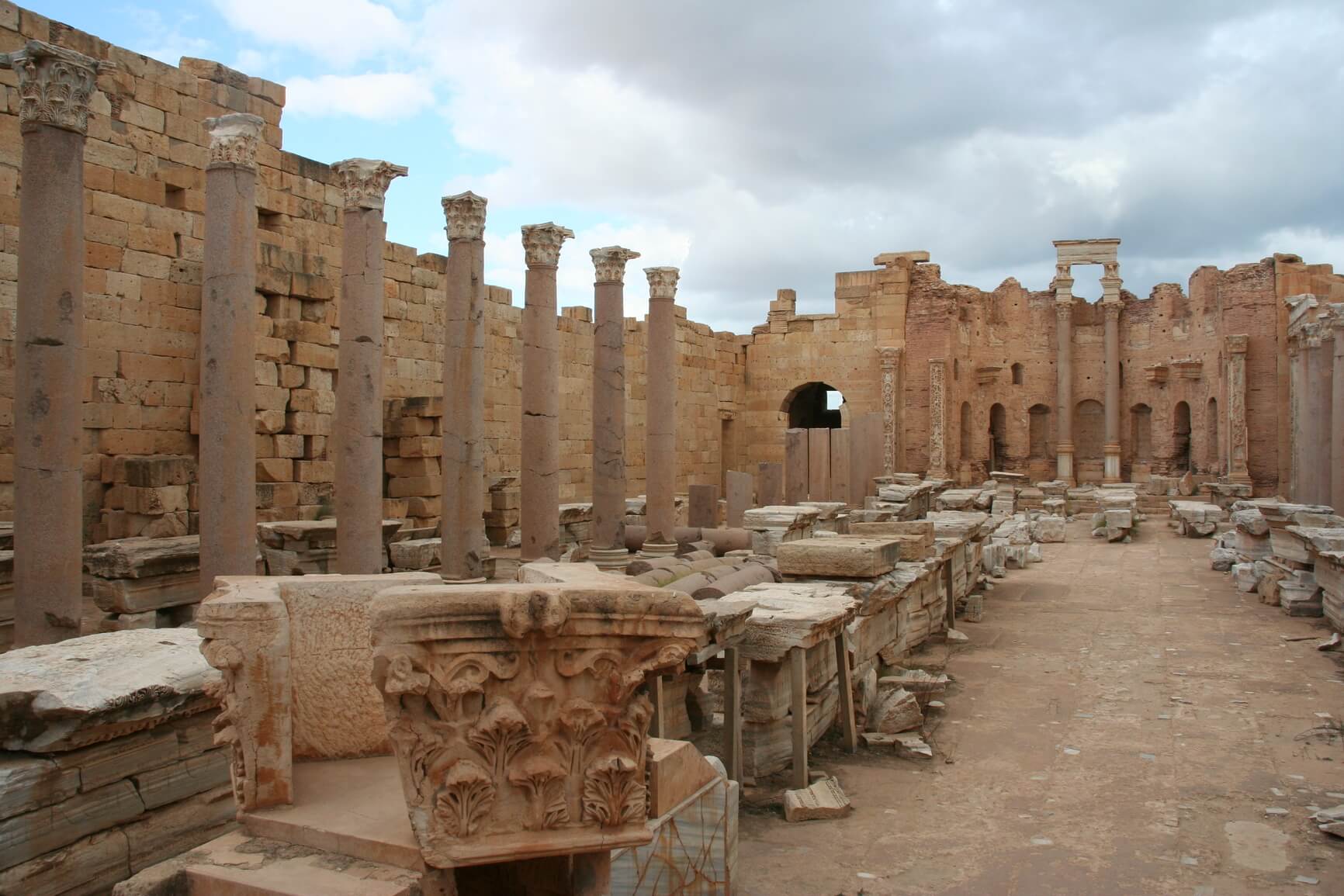
10 Best Things to Do in Tripoli
Looking for what to do in Tripoli? As the capital of Libya, Tripoli—or “Tarablus” in Arabic—is a city of profound historical layers and undeniable Mediterranean allure, where ancient Roman ruins, a labyrinthine Ottoman-era medina, and elegant Italian colonial architecture converge along a stunning coastline. Often referred to as the “Mermaid of the Mediterranean,” the city has faced significant modern challenges, yet its deep cultural heritage, bustling traditional souks, and resilient spirit continue to define its character. For the intrepid traveler, Tripoli offers a rare and authentic journey into the heart of North African history and urban life.
From exploring the formidable Red Castle and its priceless museum collections to getting lost in the scent-filled alleys of the old city and strolling along a palm-fringed corniche, a visit to Tripoli is a step into a living tapestry of civilizations. To help you discover the enduring landmarks and daily rhythms of this historic capital, here are the 10 best things to do in Tripoli to help you plan the perfect trip.
1. Explore Tripoli Medina
The Tripoli Medina (Old City) is the historic and atmospheric core of the capital, a maze of narrow, winding alleyways that have been the commercial and social heart of the city for centuries. Enclosed within remnants of Ottoman walls, the medina is a sensory journey. You’ll pass under vaulted stone passages, through bustling markets (souqs) dedicated to specific goods—spices, textiles, gold, and traditional perfumes—and past hidden courtyards of historic funduqs (caravanserais). Key landmarks include the elegant Gurgi Mosque with its slender minaret and the Karamanli Mosque.
Wandering here is not just sightseeing; it’s an immersion into daily Tripolitanian life, where the calls to prayer mix with the chatter of merchants and the scent of incense and leather. It’s a place where the city’s Berber, Arab, Ottoman, and Mediterranean influences are palpably intertwined.
2. Visit the Arch of Marcus Aurelius
Standing proudly on the edge of the medina, the Arch of Marcus Aurelius is a magnificent relic from Tripoli’s ancient past when it was the Roman city of Oea. Erected in 165 AD to commemorate Roman victories, it is one of the most complete and beautifully preserved Roman monuments in North Africa. The arch’s detailed Corinthian columns and ornate friezes, depicting scenes of conquest and mythology, have survived remarkably well.
This solitary monument provides a powerful and poignant connection to the classical world amid the surrounding later architecture. Visiting it offers a tangible link to the city’s foundational era and is a must for any history enthusiast.
3. Tour the Red Castle (Assaraya al-Hamra)
Dominating the city’s skyline where the medina meets the sea, the imposing Red Castle (Al-Saraya al-Hamra) is Tripoli’s most iconic landmark. This vast fortress complex, with its distinct reddish walls, has been rebuilt and expanded by various rulers—from the Phoenicians and Romans to the Spanish, Knights of St. John, Ottomans, and Italians. Today, it houses the Libya National Museum (Jamahiriya Museum).
The museum’s collection is exceptional, taking visitors on a chronological journey through Libya’s rich history via artefacts from prehistoric, Phoenician, Greek, Roman, Byzantine, Islamic, and Ottoman periods. The castle’s ramparts also offer unparalleled panoramic views of the city, the medina, and the Mediterranean Sea, making it an essential first stop for historical and visual orientation.
4. Walk along Tripoli’s Corniche
The Corniche is Tripoli’s scenic lung and social hub, a long seafront promenade stretching along the Mediterranean. Lined with palm trees, cafes, and fountains, it’s where locals come to escape the city bustle, enjoy the sea breeze, and socialize during the evening passeggiata. The views are stunning, especially at sunset when the light bathes the old city and the fortress in a golden glow.
The walk offers a blend of natural beauty and urban energy, passing by the modern marina, the historic lighthouse (Fanor al-Manara), and traditional fishing boats. It’s a peaceful and picturesque space that showcases the city’s enduring relationship with the sea.
5. Explore Martyrs’ Square
Formerly known as Green Square, Martyrs’ Square (Maydan al-Shuhada) is the vast central plaza at the heart of modern Tripoli. Flanked by important buildings, including the Central Bank and the old Royal Palace (now a government building), the square has been the stage for pivotal moments in Libya’s contemporary history. Its scale and open design are reminiscent of Italian colonial planning.
While its atmosphere has changed, it remains a significant landmark and a useful navigational point. The surrounding arcades and streets offer cafes and shops, providing a glimpse into the city’s more modern commercial life.
6. Visit the Museum of Libya
Also known as the Ethnographic Museum, this institution offers a deep dive into the cultural and social history of Libya’s diverse peoples. Housed in a beautiful former Ottoman palace, its exhibits focus on traditional lifestyles, crafts, costumes, and customs of the Berber (Amazigh), Tuareg, and Arab communities. Displays include intricate jewelry, weaponry, textiles, Bedouin tents, and household objects.
It provides crucial context that complements the archaeological focus of the National Museum, telling the human story behind Libya’s long history and celebrating the country’s rich ethnic tapestry and artisanal heritage.
7. Explore Italian Quarter (Ghadra)
South of the medina lies the Ghadra district, a striking testament to Tripoli’s Italian colonial period (1911-1943). Characterized by wide, tree-lined boulevards, grand public buildings, and apartment blocks in Rationalist and Neo-Moorish styles, this area presents a stark architectural contrast to the organic medina. Key sights include the Tripoli Cathedral (now a mosque) and various government edifices.
Exploring this quarter offers insight into a more recent layer of the city’s complex history and is a fascinating study in colonial urban planning. The area is also home to many cafes and is a pleasant place for a stroll to see a different, more European-facing facet of Tripoli.
8. Visit the Souq al-Mushir
For an authentic shopping and cultural experience, dive into the Souq al-Mushir. This traditional market, often considered part of the larger medina complex, is particularly known for its vibrant atmosphere and selection of goods. Here, you can find everything from hand-woven Libyan carpets and traditional barakans (embroidered veils) to silver jewelry, leatherwork, and antique weapons.
The souq is less about buying and more about observing the age-old traditions of commerce and craftsmanship. The hustle and bustle, the art of negotiation, and the sheer variety of items on display make it a captivating window into local life and artisanal skill.
9. Relax at the Tripoli Marina
The modern Tripoli Marina area represents the city’s contemporary leisure face. With its promenade, yacht club, and array of seafood restaurants overlooking the bobbing boats, it’s a popular spot for families and friends to gather, especially in the evening. The atmosphere here is more relaxed and modern compared to the historic quarters.
It’s an excellent place to enjoy the freshest catch of the day—grilled fish, calamari, and prawns—while watching the sunset over the Mediterranean. This area highlights Tripoli’s enduring identity as a coastal city.
10. Experience Libyan cuisine & local cafés
Sampling Tripoli’s cuisine is a journey into the flavors of North Africa and the Mediterranean. Must-try dishes include bazeen (a dough-like dish served with stew), mbakbaka (a spiced pasta dish), shorba (soup), and succulent grilled lamb or seafood. Meals are often communal and hearty.
No visit is complete without spending time in a local café, sipping strong qahwa arabiya (Arabic coffee) or sweet mint tea, perhaps accompanied by dates or pastries like ma’amoul. These cafes are the social hubs of the city, where politics, business, and daily life are discussed, offering a warm and genuine taste of Libyan hospitality.
 [adblockingdetector id="638efa67113bf"]