


Best Things to Do in Jaipur: A Complete Guide
10 Best Things to Do in Jaipur
Looking for what to do in Jaipur? Rajasthan’s vibrant capital, universally known as the Pink City, is a living canvas of regal grandeur, geometric precision, and kaleidoscopic color. Founded in 1727 by the visionary Maharaja Sawai Jai Singh II, Jaipur was one of India’s first planned cities, its old quarters laid out in a precise grid of nine blocks symbolizing the nine divisions of the universe, all painted in a uniform, welcoming shade of terracotta pink. More than just a historic site, Jaipur is a city of exhilarating contrasts: where majestic hilltop forts and ornate palaces overlook chaotic, fragrant bazaars; where the precise science of 18th-century astronomy stands beside the intuitive artistry of generations of craftsmen; and where the desert’s warm hues meet the brilliant flash of gemstones, silks, and mirrored textiles.
From exploring the sprawling ramparts of the Amber Fort and the intimate courtyards of the City Palace to getting lost in labyrinthine markets, discovering ancient stepwells, and watching the city transform under the golden light of dusk, Jaipur offers the quintessential North Indian royal experience. Here are the 10 best things to do in Jaipur to help you plan a journey into the heart of Rajputana splendor.
1. Explore the Amber Fort
Rising like a golden mirage from the rocky hills 11 kilometers north of the city, the Amer Fort and Palace (often called Amber) is Jaipur’s most iconic monument. This UNESCO World Heritage site is a magnificent fusion of Rajput military might and Mughal-inspired artistic elegance. The approach is dramatic: you can ascend the steep ramp on foot, by 4×4 vehicle, or traditionally, atop a colorfully adorned elephant (though ethical considerations around animal welfare are important). Enter through the towering Suraj Pol (Sun Gate) into the vast Jaleb Chowk, the main courtyard where armies once gathered.
The fort unfolds through a series of progressively more refined courtyards and palaces. The Diwan-i-Aam (Hall of Public Audience) and Diwan-i-Khas (Hall of Private Audience) showcase exquisite marble inlay work. The true showstopper is the Sheesh Mahal (Mirror Palace), a chamber where the walls and ceiling are entirely covered in intricate mosaics of tiny mirrors and colored glass. A single candle flame can be reflected to look like a thousand stars, creating a magical, ethereal atmosphere. Don’t miss the serene Sukh Niwas hall, cooled by water channels, and the panoramic views of Maota Lake and the surrounding Aravalli hills from the ramparts. Amber Fort is not merely a visit; it’s an immersion into the opulent world of the Kachwaha Rajputs.
2. Visit the City Palace
Located in the very heart of the old Pink City, the City Palace is a sprawling complex that seamlessly blends Rajasthani and Mughal architecture and remains the official residence of the former royal family. Enclosed by high walls, the palace is a city within a city, comprising courtyards, gardens, temples, and museums. The main entrance leads through the ornately decorated Udai Pol and Virendra Pol gates into the first courtyard, Mubarak Mahal, a beautifully crafted building that now houses a textile museum displaying royal costumes and exquisite Pashmina shawls.
The heart of the palace is the Pritam Niwas Chowk, a courtyard famous for its four spectacular gates, each dedicated to a different season and Hindu god, and decorated with unique, mesmerizing themes: the Peacock Gate (autumn), Lotus Gate (summer), Green Gate (spring), and Rose Gate (winter). Beyond lies the Chandra Mahal, the seven-story private palace (partially accessible via special tour), and the Diwan-i-Khas housing two enormous sterling silver vessels, recognized by the Guinness World Records as the largest silver objects in the world. The City Palace offers an intimate look at the continuing legacy of Jaipur’s royalty, filled with artistry and symbolism at every turn.
3. See the Hawa Mahal (Palace of Winds)
Perhaps Jaipur’s most distinctive and photographed facade, the Hawa Mahal is a breathtaking five-story pinnacle of pink sandstone and lime mortar. Built in 1799 by Maharaja Sawai Pratap Singh, it was designed not as a palace but as an elaborate screened viewing gallery. Its unique honeycomb structure, featuring 953 small, latticed windows (jharokhas), allowed the women of the royal household to observe the lively street festivals and daily life of the city below while adhering to the strict purdah (seclusion) system, unseen by the public.
The best external view is from across the street in the Sireh Deori Bazaar. To truly appreciate its ingenuity, enter from the rear of the building and climb the narrow, winding ramps to the top floors. The ascent reveals the building’s delicate construction, with each tier thinner than the last. From the uppermost terrace, you are rewarded with a superb breeze (hence “Palace of Winds”) and a unique, framed perspective over the bustling streets of the old city—the very view the royal ladies once enjoyed. The play of light through the intricate lattices creates ever-changing patterns, making it a photographer’s dream.
4. Visit Jantar Mantar
Adjacent to the City Palace lies one of the most remarkable and understated sites in the world: the Jantar Mantar, an 18th-century astronomical observatory and a UNESCO World Heritage site. Commissioned by the city’s founder, the scholar-king Sawai Jai Singh II, it is the largest and best-preserved of his five observatories across India. Far from being mere historical relics, these structures are monumental scientific instruments (yantras) built from stone and marble, designed with staggering precision to measure time, track celestial bodies, predict eclipses, and determine planetary positions.
Wandering among the 19 geometric devices feels like exploring a surrealist sculpture garden. The largest, the Samrat Yantra (Supreme Instrument), is a 27-meter-high sundial that can tell local time accurate to within two seconds. The Rashivalayas Yantra consists of 12 instruments for measuring the celestial latitude and longitude of zodiac constellations. A guided tour is highly recommended to unlock the genius behind these silent giants, revealing how this site represents a brilliant intersection of science, architecture, and cosmology in pre-modern India.
5. Wander the Bazaars of the Old City
The walled Pink City is a shopper’s and cultural enthusiast’s paradise, with its broad main avenues and narrow lanes organized into distinct, vibrant markets (mandis). Each bazaar specializes in specific crafts, a tradition dating back to the city’s original planning. Johari Bazaar (Jeweler’s Market) is a glittering alley of gemstone and Kundan (traditional gemstone) jewelry. Bapu Bazaar is famed for its textiles, leather goods (mojari shoes), and colorful souvenirs. Tripolia Bazaar, near the City Palace gates, is the place for lac bangles, brassware, and religious items.
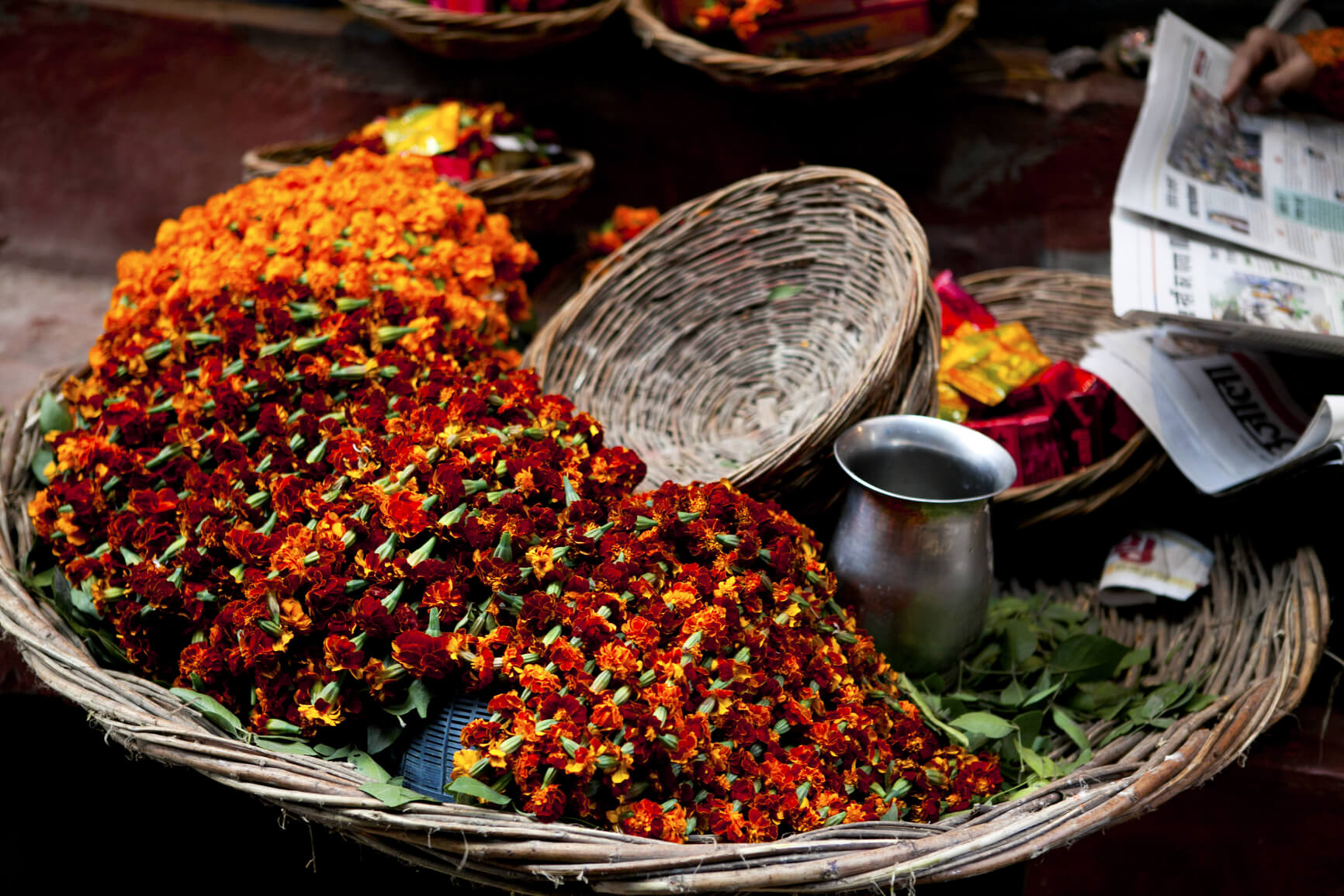
But the experience is about more than commerce. It’s a full sensory immersion: the cacophony of honking scooters and shopkeepers’ calls, the scent of incense, roses, and frying snacks, and the overwhelming visual spectacle of piled spices, flowing fabrics, and glittering trinkets. Even if you’re not buying, getting lost in these bazaars—perhaps with a stop for a sweet lassi or a plate of pyaaz kachori—is essential to feeling the authentic, pulsing rhythm of everyday Jaipur.
6. Visit the Albert Hall Museum
Standing majestically in the center of Ram Niwas Garden, the Albert Hall Museum is the state’s oldest museum and a fine example of Indo-Saracenic architecture. Built in 1887, its grand facade of arches, domes, and colonnades was inspired by the Victoria and Albert Museum in London. The museum’s collection is a fascinating cabinet of curiosities, showcasing the rich artistic heritage of Rajasthan and beyond.
Its galleries house an eclectic array of artifacts: ancient Egyptian mummies, intricate ivory carvings, a superb collection of traditional carpets and costumes, delicate miniature paintings, fearsome weaponry, and stunning sculptures from various Indian periods. The building itself is a work of art, especially at night when it is dramatically illuminated, creating a stunning reflection in the garden’s ponds. A visit here provides a cooler, more contemplative counterpoint to the sun-baked forts and frenetic markets.
7. Discover Stepwells and Lesser-Known Sites
Venture beyond the main tourist trail to discover Jaipur’s hidden architectural gems, particularly its ancient stepwells (baoris). These ingeniously designed structures, dug deep into the earth, were vital for water conservation in the arid region. The most famous is Panna Meena ka Kund, near Amber Fort, a beautifully symmetrical stepwell with crisscrossing staircases leading down to a deep, green pool. Its geometric precision and serene atmosphere make it a photographer’s favorite and a peaceful escape.
Other worthy detours include the imposing Jaigarh Fort, perched above Amber, which houses the world’s largest cannon on wheels and offers breathtaking views. The ornate Galtaji Temple complex, known as the Monkey Temple, features sacred water tanks and is inhabited by troops of playful primates. Exploring these sites provides a deeper, more nuanced understanding of Jaipur’s history, ecology, and spiritual life.
8. Watch Sunset from Nahargarh Fort or a Rooftop
For a panoramic vista that captures the essence of the Pink City, make your way to Nahargarh Fort, which crowns a ridge of the Aravalli Hills. Built as a retreat and defensive bastion, its name means “abode of tigers.” As the afternoon wanes, the fort’s terraces and the attached Padao Restaurant fill with visitors awaiting the day’s grand finale. From this vantage point, you can watch the sun sink below the horizon, painting the sky in hues of orange and purple, while the city below begins to twinkle with a million lights, its pink walls softening in the dusk.
For a more intimate urban perspective, head to one of the many rooftop cafés or restaurants in the old city. Sipping a masala chai or a cool drink as you look out over a sea of terra-cotta rooftops, with the silhouettes of Hawa Mahal and distant forts against the twilight sky, is an unforgettable and quintessentially Jaipur experience. The call to evening prayer echoing from nearby mosques adds to the magical atmosphere.
9. Experience Jaipur’s Crafts and Workshops
Jaipur is a living museum of Indian craftsmanship. To move beyond purchasing souvenirs to understanding their creation, visit one of the city’s many artisan workshops. In the neighborhood of Sanganer, you can witness the ancient art of block printing, where hand-carved wooden blocks are dipped in dye and pressed onto fabric with rhythmic precision. In Kishangarh, miniature painters practice a centuries-old tradition, creating incredibly detailed scenes with brushes made from squirrel hair.
Seek out studios specializing in blue pottery (a turquoise-colored craft of Persian origin), lac jewelry, or gota patti (gold ribbon embroidery). Reputable workshops often offer short demonstrations or hands-on sessions. This direct engagement transforms your appreciation for the items in the bazaars, connecting you to the skill, patience, and cultural stories embedded in every piece.
10. Eat Your Way Through Jaipur’s Food Scene
Jaipur’s culinary landscape is a royal feast for the senses, offering a blend of robust Rajasthani flavors and delicate Mughlai influences. Street food is an adventure in itself: dive into crispy, spicy pyaz kachori at Rawat Mishthan Bhandar, savor a plate of chaat (savory snacks), or try the famous lassi served in clay pots at Lassiwala. For a traditional meal, a Rajasthani thali is a must—a vast platter with small bowls featuring dishes like dal baati churma (lentils, hard wheat rolls, and a sweet crumble), gatte ki sabzi (gram flour dumplings in curry), and the fiery laal maas (red meat curry).
Save room for sweets like ghewar (a honeycomb-shaped disc soaked in syrup) and malpua (sweet pancakes). From the bustling stalls of the old city to heritage havelis converted into fine-dining restaurants, eating in Jaipur is a delicious journey through its history, culture, and incredible hospitality.
Check monthly weather averages for
Latest Secret Flying deals to Jaipur
SUMMER: Business Class from Copenhagen, Denmark to Jaipur, India for only €1480 roundtrip (lie-flat seats)
Business Class, summer flights from Copenhagen, Denmark to Jaipur, India for only €1480 roundtrip with Etihad Airways.
View DealMEGA POST: Paris, France to many Indian cities from only €358 roundtrip
Fly from Paris, France to Goa, Jaipur, Hyderabad, Delhi or Mumbai, India from only €358 roundtrip with Jet Airways.
View Deal [adblockingdetector id="638efa67113bf"]