


Amsterdam Food Guide
Food in Amsterdam: What to Eat & Drink
Amsterdam’s culinary landscape is a lively reflection of Dutch traditions, centuries of global trade, and a modern, international outlook, unfolding along the city’s iconic canals. Once known primarily for simple, hearty fare shaped by maritime life and agricultural necessity, Amsterdam has evolved into a dynamic food destination where classic recipes coexist with inventive contemporary cuisine. Today, the city’s food culture balances comforting Dutch staples with the diverse influences of its multicultural population, resulting in a dining scene that feels both deeply rooted and distinctly modern.
Traditional ingredients such as potatoes, cheese, herring, rye bread, and seasonal vegetables form the backbone of Dutch cooking, while the Netherlands’ colonial history, particularly in Indonesia, has left a lasting culinary legacy. Amsterdam’s compact layout makes it easy to explore a wide range of food experiences, from historic brown cafés serving classic snacks to Michelin-starred restaurants showcasing cutting-edge gastronomy. From street markets and casual eateries to refined dining rooms, the city offers a culinary journey through Dutch history and global influence.
Local Specialities of Amsterdam
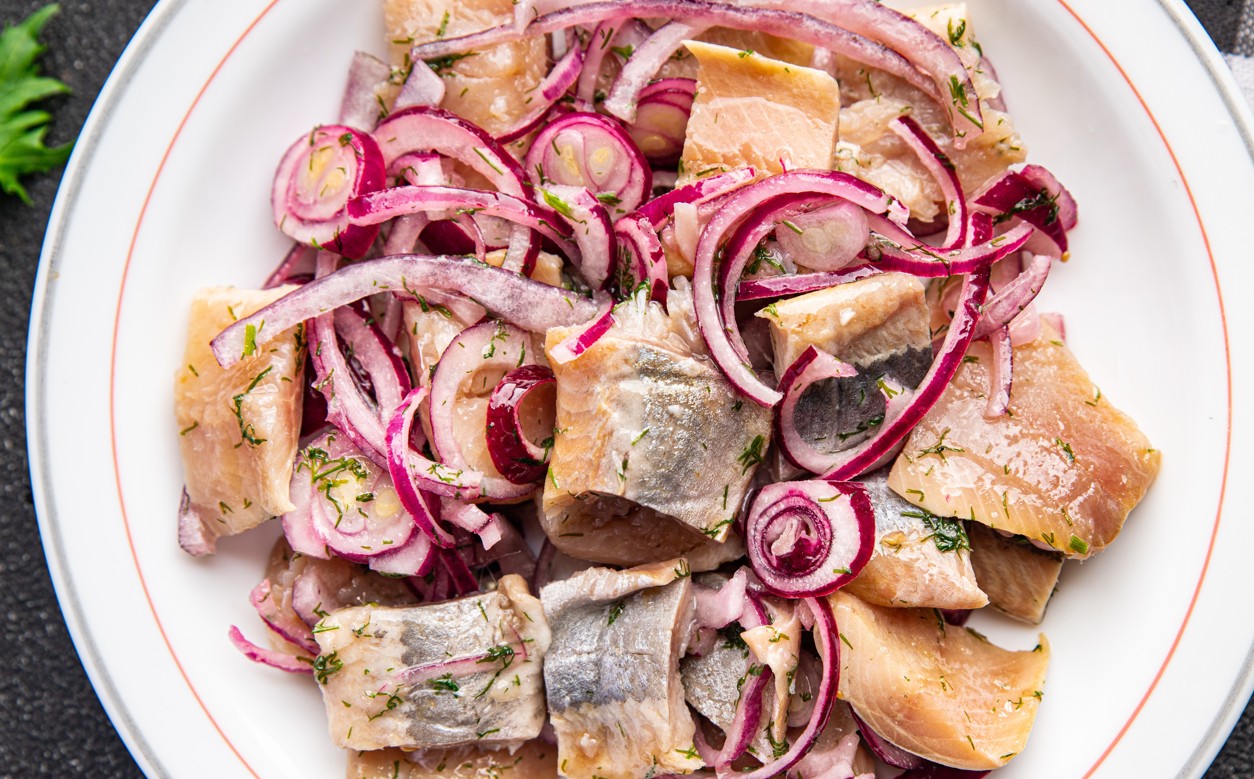
Amsterdam is best known for its raw herring, traditionally served with chopped onions and pickles. Eating it by holding the fish by the tail and lowering it into the mouth is considered a local rite of passage and reflects the Netherlands’ long relationship with the sea. Stroopwafels, thin waffle cookies filled with warm caramel syrup, are another iconic treat and are at their best when bought fresh from market stalls, where they are pressed to order between hot irons.
Bitterballen, deep-fried balls filled with a thick, savory ragout, are the quintessential Dutch bar snack and are most commonly enjoyed with beer in traditional brown cafés. Dutch apple pie, with its thick crust and chunky apple filling often spiced with cinnamon and studded with raisins, is heartier than many international versions. Poffertjes, small fluffy pancakes served with butter and powdered sugar, are especially popular at outdoor markets and during colder months.
Everyday Dutch Food
Breakfast in Amsterdam often consists of broodjes topped with cheese, ham, or chocolate sprinkles known as hagelslag, accompanied by strong coffee. Lunch is typically light and bread-based, featuring sandwiches from bakeries or dishes such as uitsmijter, fried eggs served on bread with ham and cheese. In winter, erwtensoep, a thick split pea soup traditionally served with rye bread and bacon, provides filling comfort against the cold.
Stamppot is a cornerstone of Dutch home cooking, combining mashed potatoes with vegetables such as kale, sauerkraut, or endive, and usually served with smoked sausage. Cheese plays a central role in everyday meals, and shops throughout the city offer tastings of Gouda, Edam, and other varieties at different stages of aging. Indonesian rijsttafel, meaning “rice table,” remains one of Amsterdam’s most distinctive dining experiences, presenting a wide array of small dishes that reflect the city’s colonial past.
Street Food and Market Culture
Amsterdam’s street food culture thrives in its markets and casual food halls. The Albert Cuyp Market in De Pijp is one of the city’s most popular, offering everything from fresh stroopwafels and herring sandwiches to Dutch cheeses. Foodhallen, a former tram depot in Oud-West, brings together a wide range of vendors in a modern indoor setting, combining local snacks with international street food.
Automated snack bars such as FEBO offer a uniquely Dutch experience, where visitors insert coins to retrieve kroketten and other fried snacks from small windows. Herring carts appear throughout the city, particularly near waterways, while fresh fries served in paper cones with mayonnaise or other sauces are available at dedicated fry shops across Amsterdam.
Cheese Culture and Dairy Products
Cheese is fundamental to Amsterdam’s food identity. Specialist cheese shops offer samples of numerous varieties and ages, with Gouda being the most famous but far from the only option. Edam, Leyden flavored with cumin, and Maasdammer, with its nutty sweetness, are also widely enjoyed.
Dutch dairy extends well beyond cheese. Vla, a thin custard eaten as a dessert or snack, comes in many flavors, while hangop, a thick strained yogurt often served with honey and nuts, provides a lighter option. Cheese tastings and workshops throughout the city offer insight into traditional cheesemaking and the nuances of aging and flavor.
International Dining and Contemporary Scene
Amsterdam’s multicultural population has created one of Europe’s most diverse dining scenes. Indonesian restaurants range from casual eateries to refined establishments serving elaborate rijsttafel menus. Surinamese cuisine, reflecting another chapter of Dutch colonial history, offers dishes such as roti and pom, particularly in neighborhoods outside the historic center.
The city is also home to numerous Michelin-starred restaurants, many of which emphasize seasonal Dutch ingredients prepared with modern techniques. Traditional brown cafés remain an essential part of the food culture, offering simple dishes and drinks in cozy, historic surroundings. Neighborhoods such as the Jordaan, De Pijp, and the Nine Streets are especially rich in restaurants, cafés, and specialty food shops.
Food Customs and Practical Tips
Dining in Amsterdam is generally informal and relaxed. Lunch is usually eaten between midday and early afternoon, while dinner often begins around 6 PM. Tipping is appreciated but modest; rounding up the bill or leaving around 5 to 10 percent for good service is customary.
Many restaurants offer a dagmenu, or daily special, which often represents good value. Reservations are recommended for popular spots, especially on weekends. The Dutch tend to eat earlier than in southern Europe, and many kitchens close by 10 PM. While cards are widely accepted, some markets and small establishments may still prefer cash or local debit cards.
Trying raw herring is encouraged, as its flavor is milder than many expect. When ordering coffee, note that koffie usually refers to black coffee, while milk-based drinks should be specified. Be mindful of bicycles, which have priority throughout the city. For a deeper understanding of local flavors, a guided food tour can provide both tastings and historical context.
This guide covers what to eat in Amsterdam, from traditional herring and stroopwafels to Dutch cheese, Indonesian rijsttafel, and contemporary dining. Use it alongside our Amsterdam Travel Guide to plan your culinary exploration of the Netherlands’ canal-lined capital.
Check monthly weather averages for
Latest Secret Flying deals to Amsterdam
Los Angeles to Amsterdam, Netherlands for only $438 roundtrip
Cheap flights from Los Angeles to Amsterdam, Netherlands for only $438 roundtrip with Scandinavian Airlines.
View DealSan Francisco to Amsterdam, Netherlands for only $433 roundtrip
Cheap flights from San Francisco to Amsterdam, Netherlands for only $433 roundtrip with Scandinavian Airlines.
View DealNon-stop from Curacao to Amsterdam, Netherlands for only $526 USD roundtrip
Non-stop flights from Curacao to Amsterdam, Netherlands for only $526 USD roundtrip.
View Deal [adblockingdetector id="638efa67113bf"]