


Aruba Food Guide
Food in Aruba: What to Eat & Drink
Aruba’s culinary landscape is a rich fusion of Caribbean, Dutch, Latin American, and global influences, shaped by the island’s unique position as a Dutch Caribbean territory just off the coast of South America. Known as “One Happy Island,” Aruba has developed a food culture that balances deeply rooted local traditions with polished international dining, creating a scene where barefoot beachside meals coexist with refined, cosmopolitan cuisine. Its food reflects centuries of cultural exchange, from Arawak heritage and Spanish colonial history to Dutch administration and more recent influences from Venezuela, Colombia, and beyond.
Fresh seafood, goat, cornmeal, tropical fruits, and Dutch cheeses form the backbone of Aruban cooking, with dishes defined by bold seasoning, inventive combinations, and a distinctive sweet-savory balance. Despite the island’s arid climate, modern fishing practices and innovative farming provide local ingredients, while Aruba’s tourism-driven economy ensures access to high-quality imported products. From traditional criollo kitchens to internationally acclaimed restaurants, Aruba offers one of the Caribbean’s most diverse and approachable dining experiences.
Local Specialities of Aruba
Aruba’s national dish, keshi yena, is a powerful symbol of the island’s culinary creativity. A hollowed wheel of cheese is filled with spiced meat, usually chicken or beef, along with raisins, olives, and capers, then baked until bubbling. The dish originated as a way for enslaved cooks to reuse leftover cheese rinds during colonial times and today stands as Aruba’s most iconic comfort food.
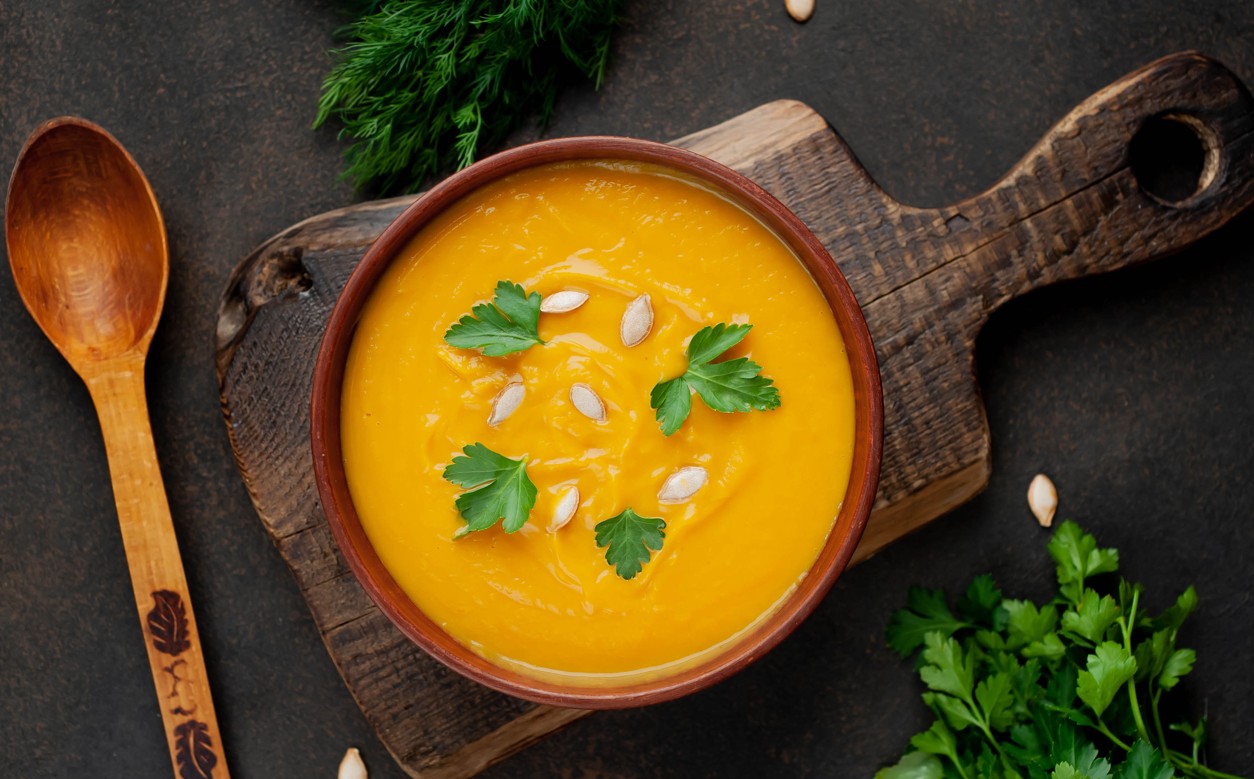
Sopi di pampuna, a creamy pumpkin soup seasoned with nutmeg, curry, and often enriched with seafood or chicken, reflects the island’s blend of Caribbean ingredients and European spice traditions. Pan bati, a lightly sweet cornmeal pancake, and funchi, a firm polenta-like cornmeal dish, serve as everyday starches. Ayacas, Aruban-style tamales wrapped in banana leaves, show clear Venezuelan and Colombian influence, while bolita di keshi, crispy fried cheese balls, offer a popular snack-sized version of keshi yena.
Everyday Aruban & Caribbean Food
Breakfast in Aruba often starts with pastechi, fried pastry turnovers filled with cheese, chicken, beef, or seafood, reflecting Dutch and Caribbean snack traditions. Lunch commonly features stoba, a slow-cooked stew made with goat, beef, or fish, served alongside funchi or pan bati. Fresh seafood plays a central role in everyday meals, with red snapper, grouper, mahi-mahi, and increasingly lionfish prepared grilled, fried, or in rich creole sauces.
Aruban barbecue blends Caribbean grilling with Dutch and Indonesian touches, often featuring meats served with peanut sauce reminiscent of satay. Dutch snacks such as bitterballen and kroketten appear alongside Caribbean favorites, highlighting Aruba’s cultural duality. Fresh fruit stands offer mango, papaya, melon, and other tropical fruits, while aloe—one of Aruba’s most famous exports—appears in drinks and desserts.
Seafood Culture and Beach Dining
Seafood lies at the heart of Aruban cuisine. Daily catches arrive at fish markets in Oranjestad, supplying restaurants across the island. Local dishes include keri keri, shredded fish cooked in tomato sauce, as well as creole-style stews and simply grilled whole fish finished with garlic butter and lime.
Beach bars and palapa-style restaurants provide relaxed dining with ocean views, specializing in seafood platters, ceviche, and fish tacos. Many menus are driven by the catch of the day, depending on what fishermen bring in each morning. Conch, known locally as carko, appears in fritters and salads, while spiny lobster is widely enjoyed during its seasonal availability.
International Dining and Resort Cuisine
As one of the Caribbean’s most popular travel destinations, Aruba offers an exceptionally diverse international dining scene. The Palm Beach area is lined with restaurants serving Argentine steak, Italian, French, Asian, and Japanese cuisine, while Oranjestad blends global flavors with local character.
Dutch culinary influence remains visible in bakeries, cheese shops, and restaurants serving traditional snacks and comfort dishes. Venezuelan and Colombian areperas offer corn cakes filled with meats and cheeses, while Asian fusion restaurants increasingly combine Caribbean ingredients with Asian techniques. Even in the most international settings, many chefs incorporate local seafood and Aruban flavors, giving the island’s dining scene a distinct identity.
Street Food and Local Markets
Aruba’s street food culture revolves around snack trucks, beach vendors, and community events. Pastechi stands are found throughout Oranjestad and San Nicolas, while food trucks at surfside spots and festivals serve everything from barbecue to international street food with Caribbean twists.
The weekly Bon Bini Festival in Oranjestad offers a lively introduction to local cuisine, music, and crafts. Supermarkets and specialty stores stock high-quality Dutch cheeses, chocolates, and baked goods alongside Caribbean staples. While local produce is limited by climate, markets still offer a mix of imported and regional tropical fruits and vegetables.
Beverage Culture and Nightlife
Aruba produces its own beer, Balashi, a light and refreshing lager well suited to the tropical climate. The island’s signature cocktail, the Aruba Ariba, blends vodka, rum, fruit juices, and Coecoei, a local cactus-based liqueur. Rum features prominently in cocktails across the island, from classic punches to modern creations.
Non-alcoholic drinks include awa di lamunchi, a fresh limeade, sorrel made from hibiscus, and coconut water served straight from the shell. Dutch coffee culture is evident in cafés offering quality espresso and pastries, while wine is widely available, with many restaurants maintaining extensive international wine lists.
Food Customs and Practical Tips
Dining in Aruba is relaxed and informal, though some upscale restaurants request resort-elegant attire in the evenings. Tipping of 15 to 20 percent is standard, and automatic service charges are common for larger groups. Reservations are strongly recommended during high season, particularly from December through April.
Local restaurants, especially in San Nicolas and downtown Oranjestad, often provide more authentic Aruban experiences than resort dining. Spice levels can vary, as many dishes use Madame Jeanette peppers, which are similar to Scotch bonnets. Bottled water is recommended for visitors, although Aruba’s desalinated tap water is safe to drink.
Be sure to sample local Dutch specialties such as Gouda cheese and chocolate, and don’t hesitate to try street food from busy, reputable vendors. Food tours offer excellent introductions to Aruba’s multicultural cuisine, and many restaurants offer early-bird specials, making high-quality dining more accessible.
This guide covers what to eat in Aruba, from national dishes like keshi yena to beachside seafood and international dining. Use it alongside our Aruba Travel Guide to plan your culinary exploration of the Caribbean’s “One Happy Island.”
Check monthly weather averages for
Latest Secret Flying deals to Aruba
Montreal, Canada to Aruba for only $430 CAD roundtrip
Cheap flights from Montreal, Canada to Aruba for only $430 CAD roundtrip with United Airlines.
View DealNon-stop from Toronto, Canada to Aruba for only $308 CAD roundtrip
Non-stop flights from Toronto, Canada to Aruba for only $308 CAD roundtrip.
View DealOttawa, Canada to Aruba for only $408 CAD roundtrip
Cheap flights from Ottawa, Canada to Aruba for only $408 CAD roundtrip.
View Deal [adblockingdetector id="638efa67113bf"]