


Bangkok Food Guide
Food in Bangkok: What to Eat & Drink
Bangkok’s culinary landscape is a thrilling explosion of Thai flavors, street food traditions, and sophisticated dining, earning its reputation as one of the world’s greatest food cities. As Thailand’s bustling capital and a global gastronomic destination, Bangkok has developed a food culture that seamlessly balances ancient royal cuisine with the accessibility and creativity of street food. The city’s cuisine reflects its position at the heart of Thailand, incorporating influences from every region—from fiery Northeastern Isaan dishes to coconut-rich Southern curries, refined Central plains recipes, and Northern specialties—while maintaining a distinctly urban character.
Core ingredients such as rice, coconut, lemongrass, galangal, kaffir lime, chilies, and fresh herbs form the foundation of Bangkok’s cuisine. Dishes are defined by the precise balance of sweet, sour, salty, spicy, and bitter flavors that underpin Thai cooking. Historically shaped by canals and rivers and supported by a tropical climate, Bangkok enjoys year-round access to fresh produce. From humble street carts to Michelin-starred restaurants, the city offers a complete journey through Thailand’s extraordinary culinary traditions.
Local Specialities of Bangkok
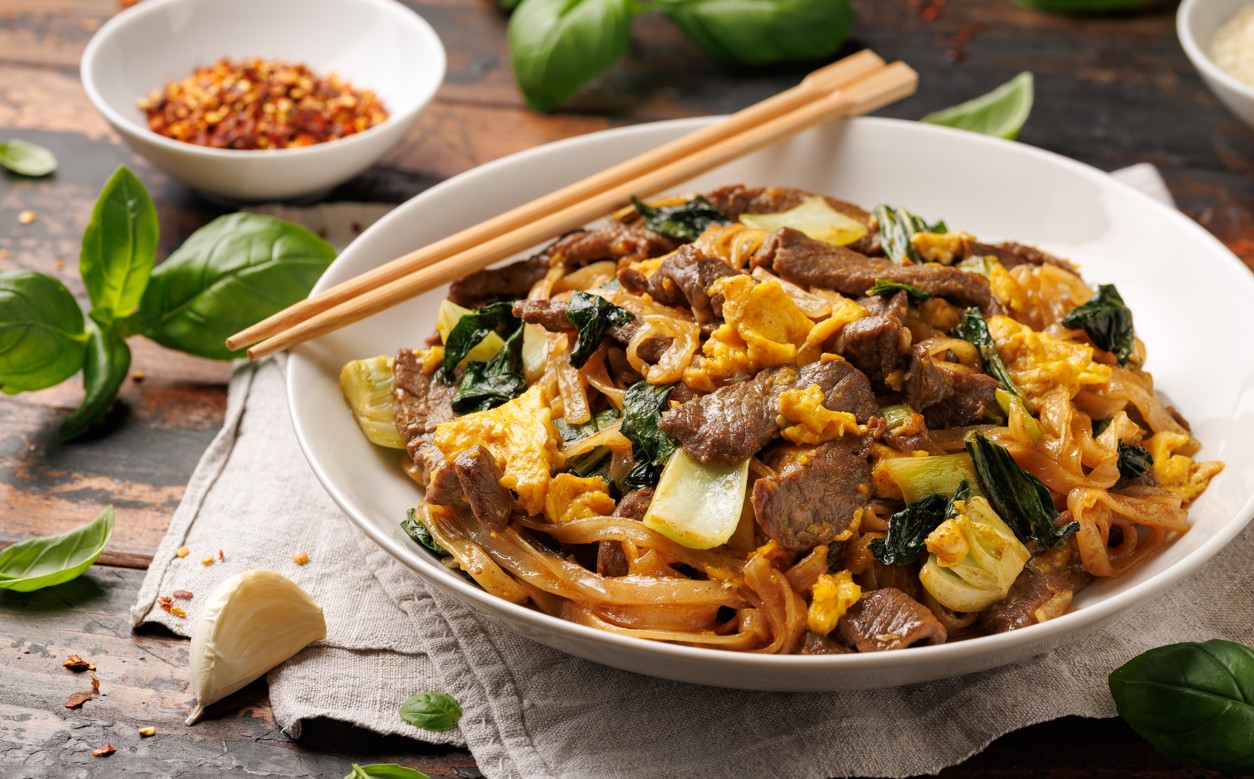
Bangkok is celebrated for pad thai, the iconic stir-fried rice noodles with tofu, egg, bean sprouts, and peanuts that has become Thailand’s most famous culinary export. The city’s signature boat noodles, once sold from boats along canals, feature intensely flavored dark broth with pork or beef, rice noodles, and assorted meats and offal. Guay teow (noodle soup) appears in countless variations throughout the city, ranging from simple chicken broths to complex beef and meatball versions.
Som tam (green papaya salad), particularly the Bangkok-style version with a slightly sweeter dressing and reduced fermented fish sauce compared to Isaan versions, delivers refreshing heat. Moo ping (grilled pork skewers) paired with sticky rice are classic grab-and-go meals. Khanom buang, crispy pancakes filled with sweet or savory toppings, represent traditional Thai street desserts. Mango sticky rice, especially during mango season (March–June), showcases perfectly ripe mango paired with coconut-sweetened glutinous rice.
Everyday Thai Food
Breakfast in Bangkok often includes jok (rice porridge) with pork or chicken, or khao tom (boiled rice soup) with various proteins. Lunch and dinner typically revolve around steamed rice (khao) served with multiple shared dishes such as curries, stir-fries, soups, and salads. Gaeng (Thai curries) range from fiery green curry to milder massaman and penang styles.
Popular everyday stir-fries include pad kra pao (holy basil with meat) and pad prik king (dry curry stir-fry). Famous soups like tom yum goong (spicy shrimp soup) and tom kha gai (coconut chicken soup) represent the depth of Thai flavor profiles. Yum (Thai salads) combine meat or seafood with lime, herbs, and chili for bold freshness. Meals are often accompanied by raw vegetables and herbs to balance heat and richness.
Street Food Culture
Bangkok’s street food scene is legendary, with vendors operating from early morning until late night across nearly every neighborhood. Many stalls specialize in a single dish perfected over decades. Famous street food districts include Chinatown (Yaowarat), Sukhumvit Soi 38, and the historic areas around the Old City and major temples. Night markets combine food with shopping and entertainment, making them social hubs.
Street dining typically involves plastic stools, communal tables, and ordering multiple dishes from different vendors. Hygiene standards have improved significantly, and many vendors now comply with regulated food safety requirements. Several street food stalls have earned Michelin recognition, underscoring the exceptional quality available at even the most modest setups. Guided food tours offer efficient ways to navigate the sheer variety.
Regional Thai Cuisines in Bangkok
As Thailand’s capital, Bangkok offers outstanding representations of all regional Thai cuisines. Isaan (Northeastern) restaurants serve spicy som tam, laab (minced meat salad), and grilled chicken with sticky rice. Southern Thai cuisine is known for its heat and turmeric-rich curries. Northern specialties such as khao soi (curry noodle soup) and sai ua (herb sausage) are available at dedicated regional restaurants.
Royal Thai cuisine, distinguished by intricate presentation and refined flavors, is served at upscale establishments. Chinese-Thai cuisine thrives in Chinatown, featuring seafood, noodle dishes, and traditional preparations. Muslim-Thai restaurants highlight dishes like roti and massaman curry. This regional diversity makes Bangkok the best single destination for experiencing Thailand’s full culinary spectrum.
International Dining and Contemporary Scene
Bangkok is also a world-class international dining city, home to numerous Michelin-starred restaurants serving French, Japanese, Italian, and modern European cuisine. Luxury hotels house some of Southeast Asia’s most acclaimed restaurants, while rooftop venues combine fine dining with panoramic city views.
Modern Thai restaurants reinterpret traditional dishes using contemporary techniques and presentations. Upscale food courts and food halls provide air-conditioned comfort while maintaining high culinary standards. Bangkok’s café culture has flourished, with specialty coffee shops showcasing both Thai-grown beans and international roasts. Even in international settings, Thai ingredients and flavor sensibilities remain central.
Food Customs and Practical Tips
Dining in Bangkok ranges from extremely casual to formal fine dining, with etiquette varying by setting. Tipping is not traditionally expected but appreciated in restaurants—rounding up or leaving small bills is common. Many restaurants add service charges and taxes to bills. Reservations are essential for popular fine dining venues.
When eating street food, choose busy stalls with high turnover. Eat Thai-style using a spoon and fork (the fork pushes food onto the spoon); chopsticks are typically used only for noodle dishes. Dishes are commonly shared family-style. Adjust spice levels by requesting mai pet (not spicy) or pet nit noi (a little spicy).
Drink bottled water and be cautious with ice—factory-made tube ice is generally safe. Don’t miss Chinatown’s street food after dark. Department store food courts provide excellent air-conditioned sampling opportunities. Experiencing both street stalls and upscale restaurants is essential to understanding Bangkok’s culinary range. Cooking classes and food tours offer valuable cultural context.
This guide covers what to eat in Bangkok, from pad thai and street food to regional Thai cuisines and fine dining. Use it alongside our Bangkok Travel Guide to plan your culinary exploration of Thailand’s dynamic capital.
Check monthly weather averages for
Latest Secret Flying deals to Bangkok
Manchester, UK to Bangkok, Thailand for only £484 roundtrip
Cheap flights from Manchester, UK to Bangkok, Thailand for only £484 roundtrip.
View Deal
Non-stop from Oslo, Norway to Bangkok, Thailand for only €465 roundtrip
Non-stop flights from Oslo, Norway to Bangkok, Thailand for only €465 roundtrip.
View Deal [adblockingdetector id="638efa67113bf"]