


Barranquilla Food Guide
Food in Barranquilla: What to Eat & Drink
Barranquilla’s culinary landscape is a vibrant celebration of Caribbean Colombian traditions, where African, Indigenous, Arab, and Spanish influences converge on Colombia’s northern coast. As Colombia’s fourth-largest city and the country’s main Caribbean gateway, Barranquilla has developed a distinctive food culture that blends coastal abundance with urban energy, producing dishes as lively and expressive as the city’s famous Carnival. Its cuisine reflects its position at the mouth of the Magdalena River, its history as a major port, and its identity as a cultural melting pot—resulting in flavors that are bold, fresh, and unmistakably Caribbean.
Core ingredients such as coconut, plantains, yuca, fresh seafood, and tropical fruits form the foundation of Barranquilla’s cuisine. Dishes are defined by bright flavors, generous seasoning, and the rhythmic energy of Colombia’s Caribbean coast. The city’s tropical climate ensures year-round access to fruits and vegetables, while the Caribbean Sea and Magdalena River supply both marine and freshwater fish. From traditional fondas serving home-style cooking to contemporary restaurants exploring Caribbean fusion, Barranquilla offers a rich culinary journey through coastal Colombia.
Local Specialities of Barranquilla
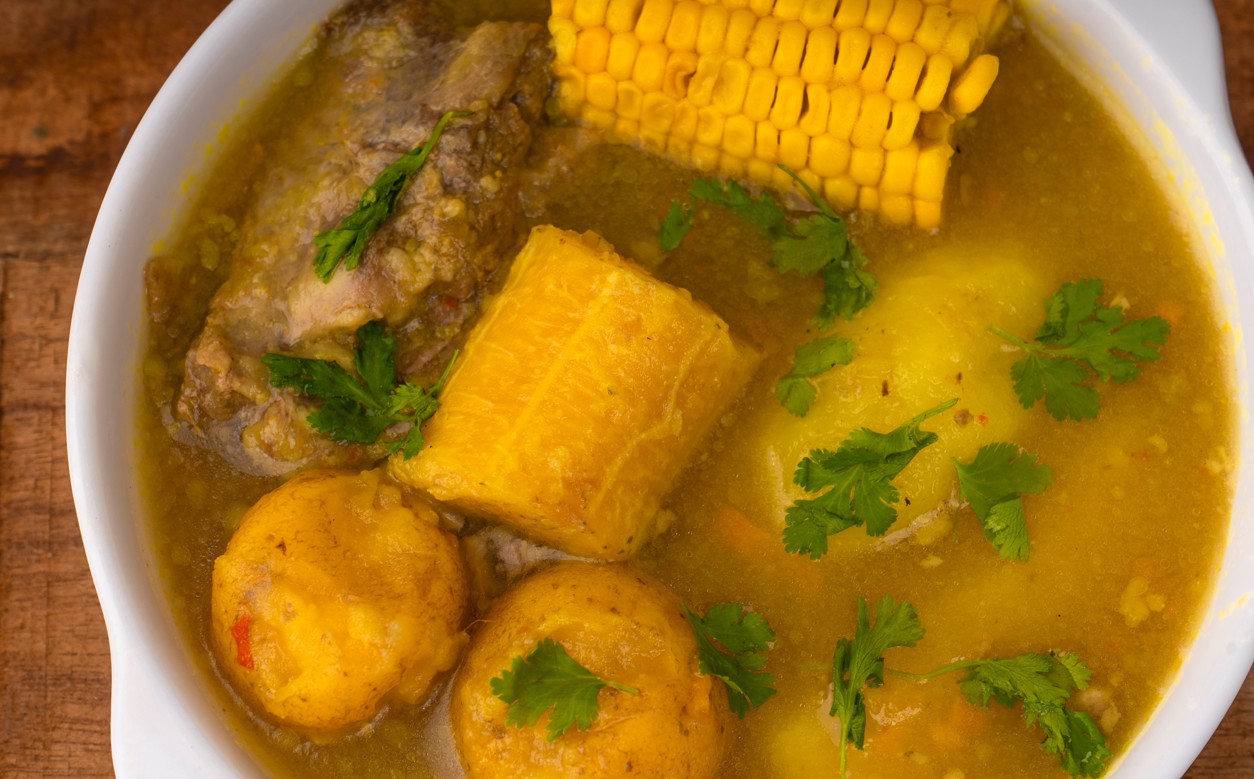
Barranquilla is celebrated for arroz de lisa, a traditional dish made with mullet fish cooked in coconut rice with vegetables and spices, wrapped in bijao leaves and steamed. With Indigenous roots, this dish is especially popular during festivals. The city’s signature stew, sancocho de guandú con carne salada, combines pigeon peas with salted meat, reflecting Barranquilla’s strong Afro-Caribbean heritage. Butifarra, a small local sausage distinct from its Spanish namesake, is made with ground meat, rice, and spices and is commonly served with arepas or yuca.
Mote de queso, a soup made with ñame (yam) and salty costeño cheese in a sour milk base, highlights the region’s unique dairy traditions. Street foods known as fritos are essential to Barranquilla’s food identity and include carimañolas (yuca stuffed with meat), arepas de huevo (fried corn cakes with egg), and empanadas. Posta negra, beef slow-cooked in a dark, sweet sauce made with panela and spices, represents the city’s take on Caribbean beef dishes. For dessert, cabeza de gato, made with coconut and condensed milk, offers classic coastal sweetness.
Everyday Caribbean Colombian Food
Breakfast in Barranquilla often begins with arepa de huevo served with cheese and hogao (tomato and onion sauce). Lunch is the main meal of the day and typically features rice with fish, chicken, or meat, accompanied by patacones (fried plantains), yuca, or salad. Cazuela de mariscos, a seafood stew cooked with coconut milk, provides rich coastal comfort.
Fresh seafood dominates menus, including pargo rojo (red snapper), mojarra, shrimp, and lobster, prepared fried, grilled, or simmered in coconut sauces. Arroz con coco is a staple side dish. Tropical fruits such as mango, papaya, guanábana (soursop), maracuyá (passion fruit), and corozo (palm fruit) appear fresh, blended into juices, or incorporated into desserts. Costeño cheese, known for its salty bite, is eaten in cooking or as a snack with panela.
Street Food and Market Culture
Barranquilla’s street food scene is lively and deeply rooted in daily life. Areas around Plaza de la Paz and the Mercado de la Floresta are dotted with food stalls. Arepa de huevo vendors operate from early morning, while frito stands sell carimañolas, empanadas, and deditos de queso (cheese fingers) throughout the day.
The city’s markets—especially the chaotic but authentic Mercado de Bazurto—offer a complete snapshot of Caribbean Colombian food culture. Fruit vendors display exotic tropical varieties, while juice stands prepare fresh jugos naturales. Sweet shops sell cocadas (coconut candies), enyucados (cassava cake), and other coastal desserts. Ice cream parlours feature tropical flavors like zapote, níspero, and tamarind.
Seafood Culture and River–Marine Fusion
Barranquilla’s location allows access to both marine and freshwater seafood. The Magdalena River supplies fish such as bocachico and bagre, while the Caribbean Sea provides snapper, grouper, and shellfish. Cooking styles range from simple fried fish with coconut rice to elaborate seafood stews and casseroles.
Riverside restaurants along the Magdalena offer dining with water views, while bocachico frito with patacones and yuca represents classic river cuisine. Seafood restaurants in neighborhoods like El Prado and Alto Prado serve more refined interpretations. Many menus reflect Barranquilla’s unique position by offering both river and ocean fish, sometimes combined in creative dishes.
International Influences and Contemporary Scene
As a historic port city, Barranquilla has long absorbed international influences. Arab immigrants—particularly Lebanese—introduced dishes such as kibbeh and tabbouleh, which have been adapted into local Colombian cuisine. Chinese and Italian restaurants are also well established, while modern eateries experiment with Caribbean fusion using contemporary techniques.
The city’s café culture has grown, with specialty coffee shops showcasing Colombian beans from nearby Sierra Nevada. Rum and aguardiente dominate traditional drinking culture, while craft beer has begun to emerge. Upscale restaurants in hotels and shopping districts offer international menus alongside Colombian classics, though Caribbean identity remains central to the city’s dining scene.
Food Customs and Practical Tips
Dining in Barranquilla is informal and social, with meals often enjoyed in large, lively groups. Lunch is the main meal, usually between 12 and 2 PM, while dinner tends to be lighter and later. Tipping around 10% is customary, and some restaurants add service charges automatically, especially for groups.
Street food is generally safe when cooked fresh and hot—choose busy stalls. Drink bottled water and be cautious with ice from unreliable sources. Caribbean Colombian food is flavorful rather than aggressively spicy, with ají typically served on the side for added heat.
Don’t miss traditional costeño breakfasts—they’re unique to the region. Try unfamiliar tropical fruits, as vendors often offer samples. Visiting during Carnival (February or March) provides access to special festival foods. Be adventurous with river fish if given the opportunity. Consider a cooking class to learn Caribbean Colombian techniques. Keep in mind that Barranquilla is hot and humid year-round—lighter, fresh dishes are often the most enjoyable.
This guide covers what to eat in Barranquilla, from Caribbean Colombian specialties and seafood to street food and tropical fruits. Use it alongside our Barranquilla Travel Guide to plan your culinary exploration of Colombia’s Caribbean gateway.
Check monthly weather averages for
Latest Secret Flying deals to Barranquilla
Non-stop from Miami to Barranquilla, Colombia for only $305 roundtrip
Non-stop flights from Miami to Barranquilla, Colombia for only $305 roundtrip with Avianca.
View DealNon-stop from Fort Lauderdale to Barranquilla, Colombia for only $305 roundtrip
Non-stop flights from Fort Lauderdale to Barranquilla, Colombia for only $305 roundtrip with Avianca.
View DealWashington DC to Barranquilla, Colombia for only $371 roundtrip
Cheap flights from Washington DC to Barranquilla, Colombia for only $371 roundtrip with Avianca.
View Deal [adblockingdetector id="638efa67113bf"]