


Belém Food Guide
Food in Belém: What to Eat & Drink
Belém’s culinary landscape is a magnificent celebration of Amazonian bounty, where Indigenous traditions, Portuguese influences, and the extraordinary biodiversity of the world’s largest rainforest converge at the gateway to the Amazon. As the capital of Pará and the largest city in the Brazilian Amazon, Belém has developed a food culture that connects diners directly to the rainforest’s edible riches. The city’s cuisine reflects its position at the mouth of the Amazon River, its history as a rubber-boom port, and its reputation as the culinary capital of northern Brazil.
Core ingredients such as açaí, manioc (mandioca), Amazonian river fish, tropical fruits, and Indigenous seasonings form the foundation of Belém’s cuisine. Dishes are defined by bold, earthy flavors, unusual textures, and ingredients found nowhere else on Earth. Located where the Amazon meets the Atlantic, Belém draws from both river and ocean resources, while the surrounding rainforest provides unparalleled botanical diversity. From traditional riverfront restaurants to bustling markets overflowing with forest produce, Belém offers a culinary journey through the Amazon’s edible ecosystem.
Local Specialities of Belém
Belém is world-famous for its açaí, served in its traditional savory form rather than sweetened bowls. Unsweetened and earthy, it is eaten as an accompaniment to fish and meals, offering a striking contrast to exported versions. The city’s signature dish, pato no tucupi, features duck slow-cooked in tucupi—a yellow sauce extracted from wild manioc—paired with jambu, an Amazonian leaf that creates a distinctive mouth-tingling sensation.
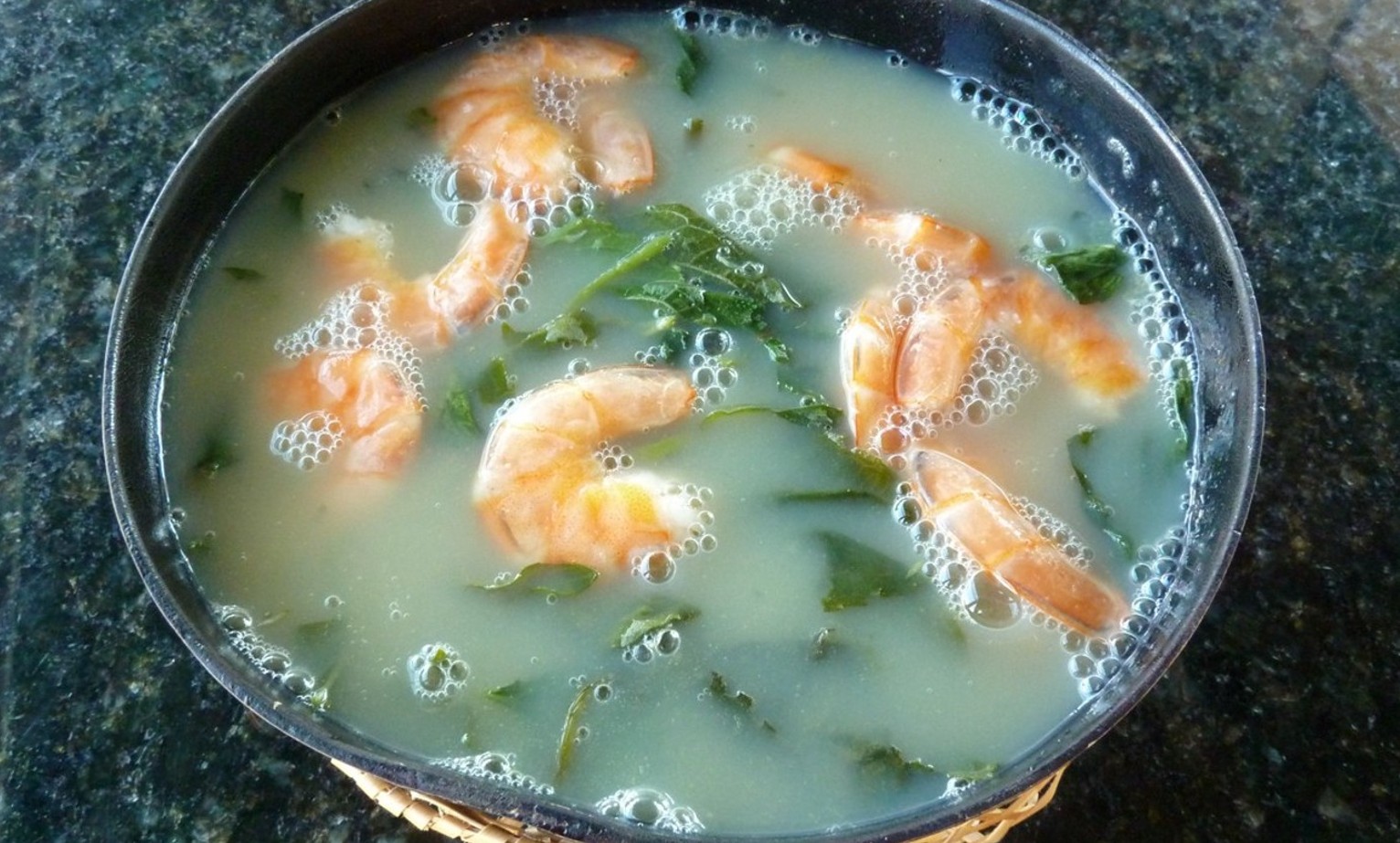
Tacacá, served hot in traditional ceramic bowls, combines tucupi, jambu, dried shrimp, and goma (manioc starch) into a deeply aromatic soup. Maniçoba, often called the “feijoada of the North,” is made from manioc leaves cooked for up to seven days to remove toxins, then simmered with various meats into a rich, dark stew. Other regional dishes include caruru, an okra and dried shrimp stew with African roots, and vatapá, adapted in Belém using local Amazonian ingredients. Pupunha (peach palm fruit) appears boiled, roasted, or incorporated into savory dishes.
Everyday Amazonian Food
Breakfast in Belém often features tropical fruits such as cupuaçu, bacuri, and taperebá alongside bread, cheese, and coffee. Lunch, the main meal, typically centers on fish—such as pirarucu, tambaqui, or tucunaré—prepared grilled, fried, or stewed with regional sauces. Farofa (toasted manioc flour) accompanies nearly every meal, frequently enriched with local ingredients.
Manioc is omnipresent, appearing as farinha (toasted flour), goma (starch), tucupi (fermented juice), and as a cooked vegetable. Amazonian river fish dominate menus, each species offering distinct flavor and texture. Brazil nuts (castanha-do-pará) feature prominently in both savory dishes and desserts. Regional cheeses, particularly queijo coalho, are commonly served grilled or fresh.
Market Culture and Rainforest Ingredients
Belém’s markets are culinary destinations showcasing the Amazon’s extraordinary biodiversity. The historic Ver-o-Peso Market, founded in 1625 along the waterfront, offers an astonishing array of Amazonian products: exotic fish, fruits, herbs, medicinal plants, and regional staples. Navigating the market reveals stalls selling everything from freshly processed açaí to aromatic roots, barks, and traditional remedies.
Specialized sections include the fish market with countless river species, spice vendors offering regional blends, and fruit stands displaying rare Amazonian produce. Tacacá stalls serve the iconic soup on site, while açaí vendors demonstrate traditional preparation methods. Ver-o-Peso is both a cultural immersion and a living showcase of Amazonian foodways.
River Fish Culture and Amazonian Seafood
Amazonian river fish are central to Belém’s cuisine. Pirarucu (arapaima), one of the world’s largest freshwater fish, is prized for its firm, boneless flesh and appears grilled, salted, or in stews. Tambaqui, valued for its rich fat content, is often simply grilled. Tucunaré (peacock bass) offers mild, delicate flavor.
Preparations emphasize simplicity to highlight natural flavors: grilling, frying with manioc flour, or simmering in tucupi-based sauces. Caldeirada, a comforting fish stew with regional vegetables, is a common staple. Freshwater shrimp and other river crustaceans appear frequently, with many restaurants sourcing directly from local fishermen for maximum freshness.
Tropical Fruits and Amazonian Sweets
Belém’s fruit diversity is unparalleled. Açaí is consumed in its authentic savory form, while cupuaçu flavors juices, ice creams, and desserts with its creamy, aromatic pulp. Bacuri offers an intensely fragrant sweetness, and taperebá (Amazonian cherry) provides tart refreshment.
Regional sweets include fruit preserves made from Amazonian produce, tapioca-based desserts, and ice creams featuring local fruits. Brazil nuts appear in cakes, cookies, and candies. Fruit juice stands blend exotic fruits into vibrant, refreshing drinks. Sweetened açaí bowls exist primarily for visitors and differ significantly from traditional preparations.
Food Customs and Practical Tips
Dining in Belém is casual and welcoming, with an emphasis on fresh ingredients and bold, distinctive flavors. Tipping around 10% is customary, and many restaurants include service charges. Reservations are recommended for popular establishments.
When trying dishes containing jambu, expect a mild tingling or numbing sensation—it is temporary and integral to the experience. Açaí is traditionally served unsweetened alongside meals. Street food is generally safe when freshly prepared and hot; choose busy vendors with high turnover.
Drink bottled water. Visit Ver-o-Peso early in the morning to see the market at its most authentic. Be adventurous with Amazonian fruits—vendors often offer samples. Try multiple river fish to appreciate the diversity of flavors. Be mindful of conservation concerns and avoid endangered species or fish caught during breeding seasons. This guide covers what to eat in Belém, from Amazonian specialties and river fish to tropical fruits and market culture. Use it alongside our Belém Travel Guide to plan your culinary exploration of the Amazon’s gateway city.
Check monthly weather averages for
Latest Secret Flying deals to Belém
XMAS: Miami to Belem, Brazil for only $495 roundtrip
Christmas flights from Miami to Belem, Brazil for only $495 roundtrip with Avianca.
View DealBelo Horizonte, Brazil to Belem for only $143 USD roundtrip
Cheap flights from Belo Horizonte, Brazil to Belem for only $143 USD roundtrip with LATAM Airlines.
View DealOpen-jaw from Madrid, Spain to Santiago, Chile returning from Brazilian cities from only €475 roundtrip
Open-jaw flights from Madrid, Spain to Santiago, Chile returning from Brazilian cities from only €475 roundtrip with Avianca.
View Deal [adblockingdetector id="638efa67113bf"]