


Cairns Food Guide
Food in Cairns: What to Eat & Drink
Cairns’ culinary landscape is a vibrant tropical expression of Far North Queensland’s extraordinary natural bounty, where Australian traditions, Indigenous ingredients, and Asian-Pacific influences converge at the gateway to the Great Barrier Reef. As the tourism capital of Tropical North Queensland, Cairns has developed a distinctive food culture shaped by reef and rainforest produce, international visitors, and a relaxed outdoor lifestyle perfectly suited to the tropics.
The city’s cuisine reflects its rare position between two World Heritage sites—the Great Barrier Reef and the Daintree Rainforest—its multicultural population, and its role as Australia’s adventure-tourism hub. The result is food that is fresh, colorful, and ingredient-driven, with menus that highlight sustainability, local sourcing, and creative global techniques. From marina-side seafood restaurants to casual cafés serving tropical breakfasts, eating in Cairns is inseparable from its natural environment.
Local Specialties of Cairns
Cairns is best known for its reef fish, particularly barramundi, coral trout, and red emperor, often prepared simply to showcase freshness—grilled, pan-seared, or lightly steamed with native herbs and citrus. Moreton Bay bugs (a type of slipper lobster) and Queensland mud crabs from nearby estuaries represent the region’s most prized seafood and frequently appear on special menus.
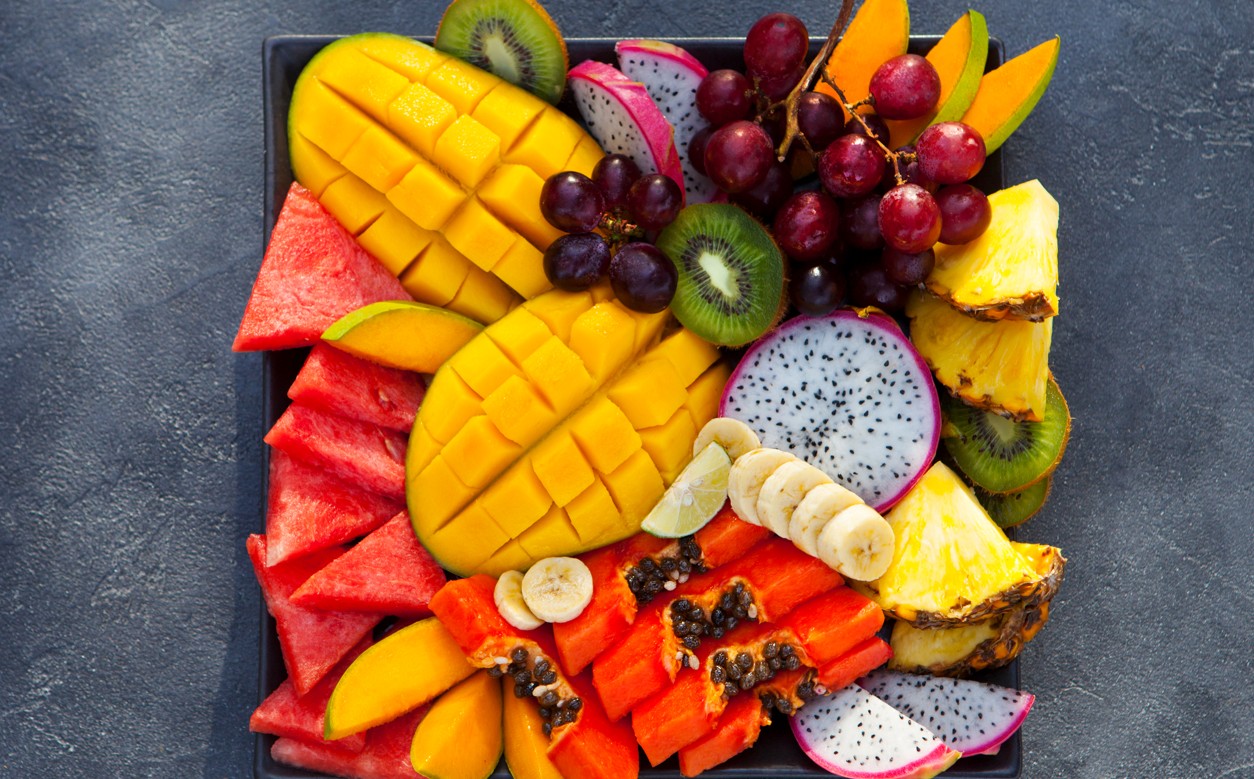
Tropical fruit is central to Cairns’ identity. Platters featuring dragon fruit, starfruit, rambutan, mangosteen, papaya, and pineapple highlight the region’s agricultural diversity. Australian native ingredients such as lemon myrtle, wattleseed, bush tomato, and finger lime appear in contemporary dishes, desserts, and cocktails. Macadamia nuts, native to Queensland, are used in crusts for fish, baked goods, and snacks.
Classic Australian desserts take on a tropical character here—pavlova topped with tropical fruits is a regional favorite. Cairns’ craft beer scene, led by local breweries such as Hemingway’s, often incorporates tropical notes and locally sourced ingredients, reinforcing the city’s laid-back coastal identity.
Everyday Queensland & Tropical Food
Breakfast in Cairns is a highlight, with cafés serving creative morning menus featuring tropical fruits, local eggs, fresh seafood, and artisanal breads. Lunch might include a seafood platter, a burger made with Queensland beef, or an Asian-inspired noodle or rice dish. Dinner balances Australian classics with international cuisine, often enjoyed alfresco to take advantage of the warm climate.
Seafood appears in countless forms, from oysters sourced from nearby farms to prawns from northern waters and reef fish prepared with Asian, Mediterranean, or modern Australian techniques. Tropical fruits are used in salads, salsas, desserts, and fresh juices. Beef from the Atherton Tablelands features prominently on menus, while Asian influences—Thai, Vietnamese, Japanese, and Chinese—are particularly strong, reflecting both Cairns’ multicultural population and its proximity to Asia.
Seafood Culture and Reef-to-Table Dining
Seafood is central to Cairns’ identity as the primary mainland gateway to the Great Barrier Reef. Restaurants along the Marina and Esplanade specialize in fresh local catch, often served with reef views. Popular preparations include simply grilled fish with native-herb butter, seafood platters showcasing local species, and Asian-style steamed or lightly fried dishes.
Sustainability plays an increasingly important role, with many restaurants highlighting responsibly sourced seafood. Local fishing fleets supply much of the city’s seafood, ensuring exceptional freshness. Hotel seafood buffets cater to visitors seeking variety, while fishing charters offer the opportunity to catch and cook your own meal. The balance between reef conservation and seafood traditions shapes Cairns’ modern dining culture.
Indigenous Ingredients and Bush Tucker
Cairns’ location provides access to Australian native ingredients from rainforest, savanna, and coastal environments. Restaurants incorporating bush tucker offer distinctive Australian dining experiences. Lemon myrtle provides bright citrus notes, wattleseed contributes nutty, coffee-like flavors, and finger lime adds a burst of acidity and texture.
Proteins such as kangaroo, emu, and crocodile occasionally appear on menus, though availability varies. Indigenous-owned cultural experiences sometimes include traditional food demonstrations and tastings. Ingredients from the Daintree Rainforest, including Davidson’s plum and native peppers, are increasingly used by chefs exploring regional identity. While not everyday food for most residents, these ingredients represent an important and growing element of Australian cuisine.
International Dining and Tourist Scene
As one of Australia’s most visited tropical destinations, Cairns offers extensive international dining. The city’s tourism economy supports restaurants serving Italian, Greek, Indian, Mexican, and other global cuisines, while Asian dining remains particularly strong. The Esplanade and Marina areas concentrate visitor-focused restaurants with water views.
Cairns Night Markets provide affordable Asian street food and casual dining options. Modern Australian restaurants reinterpret local ingredients with contemporary techniques. Despite the international range, most establishments maintain a distinctly tropical Queensland character and emphasize local produce.
Food Customs and Practical Tips
Dining in Cairns is casual and relaxed, with an emphasis on fresh ingredients and outdoor settings. Tipping is not expected but appreciated for exceptional service—rounding up the bill is customary. Reservations are recommended during peak tourist season (June–October), particularly for waterfront restaurants.
When ordering seafood, ask about local varieties and sustainable sourcing. Seek out dishes using Australian native ingredients for a uniquely regional experience. Breakfast and brunch are major dining occasions—allow time to enjoy them leisurely. Dress for the climate: light, casual clothing is suitable for most restaurants.
Visit Rusty’s Markets (Friday–Sunday) for local produce, tropical fruits, and prepared foods. Explore both tourist areas and local neighborhoods for varied dining experiences. Don’t miss tropical fruit tastings—vendors often offer samples. Consider a food tour or cooking class to better understand Cairns’ tropical cuisine. Keep in mind the wet (November–April) and dry (May–October) seasons, which can affect outdoor dining.
This guide covers what to eat in Cairns, from Queensland seafood and tropical fruits to native ingredients and international cuisine. Use it alongside our Cairns Travel Guide to plan your culinary exploration of Australia’s tropical gateway.
Check monthly weather averages for
Latest Secret Flying deals to Cairns
US cities to Australian cities from only $312 one-way
Cheap flights from US cities to Australian cities from only $312 one-way with Fiji Airways.
View DealLos Angeles to Cairns, Australia for only $642 roundtrip
Cheap flights from Los Angeles to Cairns, Australia for only $642 roundtrip with Virgin Australia.
View DealHOT!! SUMMER: Many US cities to Australia from only $463 roundtrip
Super cheap summer flights from almost every major US city to Australia from only $463 roundtrip with all major carriers.
View Deal [adblockingdetector id="638efa67113bf"]