


Cairo Food Guide
Food in Cairo: What to Eat & Drink
Cairo’s culinary landscape is a rich and living expression of Egyptian tradition, Middle Eastern influence, and the relentless energy of one of the world’s oldest continuously inhabited cities. As Egypt’s vast capital and the cultural heart of the Arab world, Cairo has developed a food culture that blends ancient Pharaonic staples with Arab, Ottoman, and Mediterranean flavors. The result is a cuisine that is deeply comforting, intensely flavorful, and woven into the rhythm of everyday life.
The city’s food reflects its enduring relationship with the Nile, its role as a crossroads of civilizations, and its modern identity as a megacity of more than 20 million people. From humble street-side koshary shops and dawn breakfast carts to elegant Nile-view restaurants and historic coffee houses, eating in Cairo is not just nourishment—it is a daily ritual and a shared cultural experience.
Local Specialities of Cairo
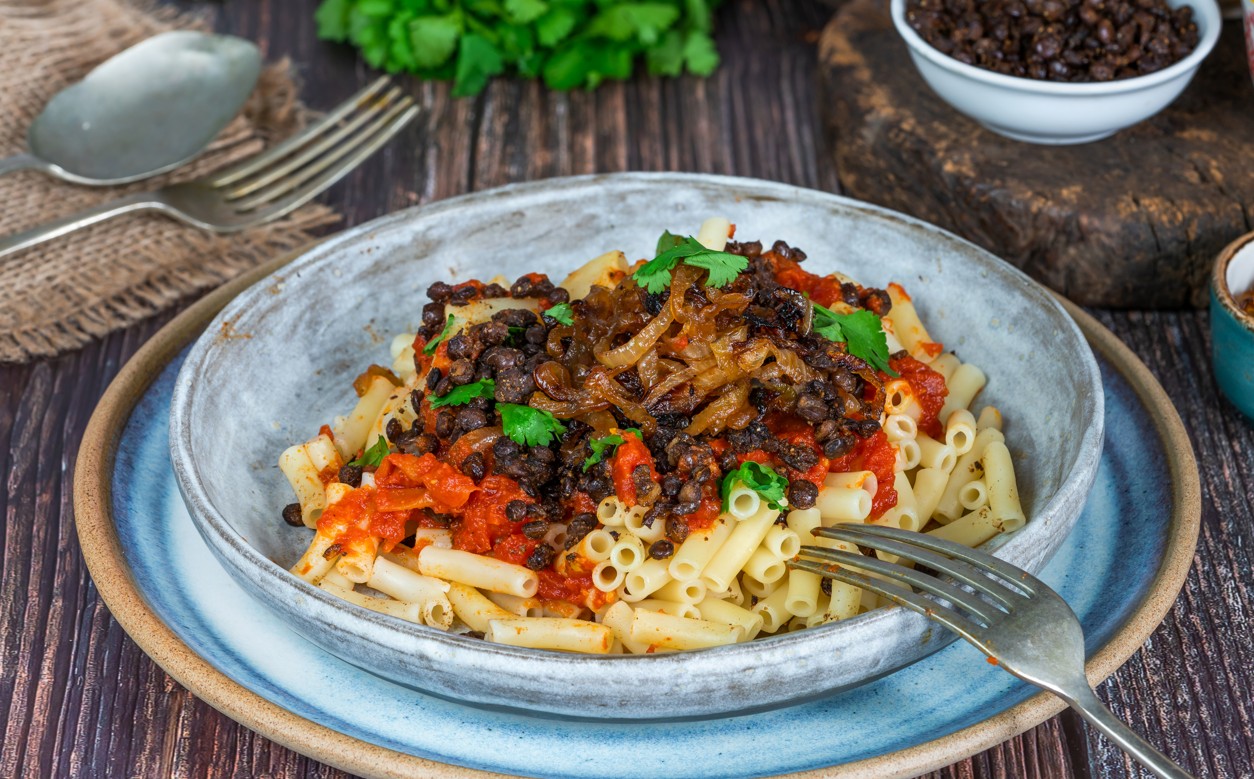
Cairo is synonymous with koshary, Egypt’s national dish and ultimate comfort food. This iconic street meal combines rice, lentils, chickpeas, pasta, and crispy fried onions, finished with spiced tomato sauce and sharp garlic vinegar. Cheap, filling, and deeply satisfying, koshary fuels the city at all hours.
Foul medames, slow-cooked fava beans seasoned with olive oil, lemon, cumin, and often eggs, is Cairo’s quintessential breakfast and a dish eaten daily by millions. Ta’ameya, Egypt’s version of falafel made with fava beans rather than chickpeas, is lighter, greener, and more herbaceous than its Levantine counterpart.
Molokhia, a green soup made from finely chopped jute leaves, is a beloved Egyptian classic. In Cairo it is often prepared with chicken or rabbit and finished with a dramatic sizzling garlic-and-coriander oil. Hawawshi, spiced minced meat stuffed inside baladi bread and baked until crisp, is popular street food, while desserts like Umm Ali (bread pudding with nuts and raisins) and konafa showcase Egypt’s mastery of sweet dishes.
Freshly pressed sugarcane juice is an essential Cairo refreshment, sold from street stalls across the city and especially welcome in the heat.
Everyday Egyptian & Cairo Food
Breakfast in Cairo revolves around foul, ta’ameya, eggs, and fresh bread, often eaten quickly before work. Lunch is the main meal of the day and typically consists of rice served with meat or poultry, vegetables, and salad. Dinner may be lighter but often mirrors lunch, particularly in family settings.
Aish baladi (Egyptian flatbread), whose name literally means “life,” accompanies nearly every meal and is used to scoop food rather than utensils. Grilled meats such as kofta (spiced minced meat) and shish tawook (marinated chicken skewers) dominate restaurant menus. Vegetable dishes like bamia (okra in tomato sauce) and fasoulia (green beans) are everyday staples.
Rice dishes—often cooked with vermicelli or broth—form the backbone of most meals. Salads such as salata baladi (chopped tomato, cucumber, and onion) and tahina (sesame paste dip) appear with nearly everything. Seasonal fruits like dates, oranges, and mangoes provide natural sweetness throughout the year.
Street Food and Market Culture
Cairo’s street food scene is legendary and essential to daily life. Vendors operate from dawn until late at night, serving millions. Koshary shops are found on almost every street, while foul and ta’ameya carts dominate mornings. Kebda (spiced liver sandwiches) are a favorite late-night snack.
Markets play a vital role in Cairo’s food culture. While Khan el-Khalili is the most famous (and tourist-oriented), neighborhood markets offer more authentic experiences. Spice shops display towering mounds of cumin, coriander, and chili. Sweet shops overflow with trays of pastries soaked in syrup. Juice stalls press fresh sugarcane, mango, and guava on demand.
Despite the rise of modern shopping malls and food courts, street food remains the backbone of Cairo’s culinary identity.
Nile Culture and Riverside Dining
The Nile shapes much of Cairo’s dining culture. Floating restaurants and dinner cruises offer evening meals with traditional music and dance, while riverside restaurants in neighborhoods such as Zamalek and Maadi provide relaxed dining with water views.
Traditional Nile fish meals involve choosing fish—often tilapia or mullet—from displays and having it grilled or fried, then served with tahina and salad. These meals are social, casual, and particularly popular on weekends. While environmental concerns affect Nile fishing, most restaurants source fish from cleaner stretches of the river or from farms.
Felucca rides on the Nile are a classic Cairo experience and often include simple picnics or snacks, reinforcing the river’s central role in daily life.
International Dining and Contemporary Scene
As a major Middle Eastern capital, Cairo offers extensive international dining. Lebanese cuisine is particularly strong, alongside Turkish, Gulf, and North African influences. European cuisines reflect Egypt’s colonial past, while Asian restaurants cater to a growing cosmopolitan population.
Modern Egyptian restaurants reinterpret traditional dishes with contemporary techniques and refined presentation. Cairo’s café culture is iconic, ranging from traditional ahwas serving tea and shisha to stylish specialty coffee shops. Luxury hotels house some of the city’s most sophisticated restaurants, yet even the most upscale dining retains a distinctly Egyptian character.
Food Customs and Practical Tips
Dining in Cairo is lively, social, and often chaotic in the best possible way. Tipping (10–15%) is expected in restaurants, and small tips for various services are customary. Reservations are recommended for upscale venues.
When eating with your hands—common with street food—use only the right hand. Bread is used to scoop food; tear off pieces rather than biting directly from the loaf. Street food is generally safe when cooked fresh and hot, especially at busy stalls. Drink bottled water and be cautious with raw vegetables unless dining in reputable restaurants.
Try koshary from both small neighborhood shops and famous institutions. Visit a traditional ahwa for tea, shisha, and people-watching. Don’t skip Egyptian breakfast—it is a cultural experience in itself. During Ramadan, dining patterns change dramatically, with iftar (breaking the fast) becoming the city’s main evening meal.
This guide covers what to eat in Cairo, from Egyptian classics and street food to Nile dining and international cuisine. Use it alongside our Cairo Travel Guide to plan your culinary exploration of Egypt’s historic capital.
Check monthly weather averages for
Latest Secret Flying deals to Cairo
Washington DC to Cairo, Egypt for only $481 roundtrip
Cheap flights from Washington DC to Cairo, Egypt for only $481 roundtrip.
View DealLos Angeles to Cairo, Egypt for only $571 roundtrip
Cheap flights from Los Angeles to Cairo, Egypt for only $571 roundtrip with Royal Air Maroc.
View DealPerth, Australia to Cairo, Egypt for only $1132 AUD roundtrip
Cheap flights from Perth, Australia to Cairo, Egypt for only $1132 AUD roundtrip with Turkish Airlines and Malaysia Airlines.
View Deal [adblockingdetector id="638efa67113bf"]