


Cape Town Food Guide
Food in Cape Town: What to Eat & Drink
Cape Town’s culinary landscape is a spectacular fusion of South African traditions, Cape Malay heritage, and contemporary innovation, set against the dramatic backdrop of Table Mountain, and the Atlantic Ocean. As South Africa’s oldest city and legislative capital, Cape Town has developed a food culture shaped by centuries of trade, migration, and cultural exchange.
The city’s cuisine reflects its position at the southern tip of Africa, its history as a maritime trading post, and its modern identity as one of the world’s most exciting food destinations. The result is a dining scene that is diverse, ingredient-driven, and deeply connected to both land and sea.
Local Specialities of Cape Town
Cape Town is best known for its Cape Malay cuisine, a fragrant, sweet-savory tradition rooted in the city’s Malaysian and Indonesian heritage. Dishes such as bobotie—spiced minced meat baked with an egg custard topping—have become emblematic of South African cooking and are often regarded as the country’s national dish.
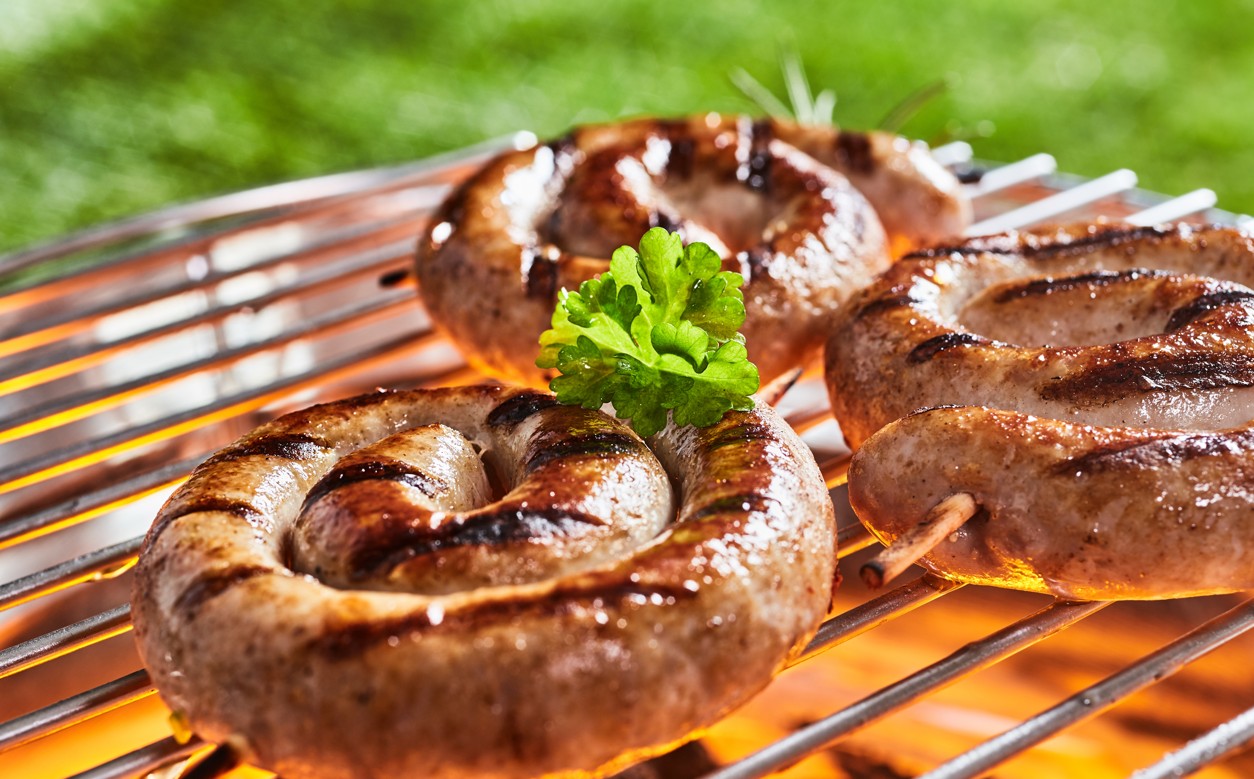
Braai (barbecue) culture is central to daily life, featuring meats grilled over wood or charcoal, particularly boerewors sausage, lamb chops, and marinated chicken. Street-food icons include the Gatsby, a massive sandwich filled with chips, meat, and salad, and bunny chow, curry served in a hollowed-out loaf of bread.
For dessert, malva pudding—a sticky sponge cake served with custard or ice cream—is a national favourite. Biltong, air-dried cured meat, is enjoyed everywhere as a snack, while rooibos tea, indigenous to the Western Cape, offers a caffeine-free local staple.
Everyday South African & Cape Town Food
Breakfast in Cape Town may include eggs with boerewors, artisanal bread, or traditional maize porridge (pap). Lunch often features sandwiches, salads, or seafood along the coast, while dinner is typically more substantial and social, frequently centred around a braai.
Meat plays a prominent role, including beef, lamb, chicken, and game meats such as springbok and ostrich. Coastal areas highlight seafood like snoek, yellowtail, kingklip, mussels, oysters, and West Coast rock lobster (crayfish). Vegetables such as butternut squash, sweet potato, and indigenous greens round out meals, while maize appears as pap or mealie bread.
Cape Malay Culture and Spice Route Heritage
Cape Malay cuisine is one of Cape Town’s most distinctive culinary traditions, developed by descendants of enslaved people and political exiles from Southeast Asia. Dishes feature layered spice blends that balance warmth and sweetness, using turmeric, cinnamon, cardamom, ginger, and chili.
The historic district is the cultural heart of this cuisine. Traditional dishes include denningvleis (sweet-and-sour lamb stew), sosaties (marinated skewers), and syrup-soaked koeksisters. Food tours and cooking classes provide insight into these home-based culinary traditions.
Seafood Culture and Coastal Dining
Cape Town’s seafood culture is exceptional, driven by the cold, nutrient-rich Atlantic waters. Local favourites include smoked or grilled snoek, line fish such as yellowtail, and West Coast rock lobster during its season (November to April).
Coastal towns and neighbourhoods like Kalk Bay and Hout Bay offer relaxed harbourside dining, while the combines seafood restaurants with panoramic views. Sustainability is increasingly important, with many establishments highlighting responsible sourcing.
Wine Culture and Winelands Proximity
Cape Town serves as the gateway to the Cape Winelands, with renowned regions such as and located nearby. South African wines—particularly Chenin Blanc, Sauvignon Blanc, and Pinotage—are internationally acclaimed.
Wine tasting ranges from historic estates to modern urban wine bars. Many Cape Town restaurants feature extensive local wine lists, and day trips to nearby vineyards are a popular addition to any visit.
Food Customs and Practical Tips
Dining in Cape Town ranges from ultra-casual to refined fine dining. Tipping of 10–15% is customary in restaurants, and reservations are essential during peak season (December to February).
Braais are social events—guests often bring drinks or side dishes. Exploring beyond tourist centres reveals authentic neighbourhood food. Markets such as the Oranjezicht City Farm Market showcase local produce and prepared foods.
Be adventurous with indigenous ingredients like rooibos, buchu, and spekboom. Cape Town offers outstanding value for food and wine compared to many global cities, making it one of the most rewarding destinations for culinary exploration.
This guide covers what to eat in Cape Town, from Cape Malay classics and braai culture to seafood, wine, and contemporary South African dining. Use it alongside our Cape Town Travel Guide to plan your culinary journey through South Africa’s Mother City.
Check monthly weather averages for
Latest Secret Flying deals to Cape Town
Non-stop from London, UK to Cape Town, South Africa for only £404 roundtrip
Non-stop flights from London, UK to Cape Town, South Africa for only £404 roundtrip.
View DealBerlin, Germany to Cape Town, South Africa for only €440 roundtrip
Cheap flights from Berlin, Germany to Cape Town, South Africa for only €440 roundtrip.
View DealOslo, Norway to Cape Town, South Africa for only €491 roundtrip
Cheap flights from Oslo, Norway to Cape Town, South Africa for only €491 roundtrip with Lufthansa.
View Deal [adblockingdetector id="638efa67113bf"]