


Comoros Food Guide
Food in Comoros: What to Eat & Drink
The culinary landscape of is a fragrant expression of Swahili coastal traditions, Arab spice culture, French colonial influence, and the tropical abundance of the Vanilla Islands. This volcanic archipelago, lying between Madagascar and Mozambique in the Indian Ocean, has developed a distinctive food culture built around coconut, rice, seafood, and aromatic spices. Comorian cuisine reflects centuries of Indian Ocean trade, Islamic traditions, and island self-sufficiency, resulting in dishes that are deeply aromatic, nourishing, and closely tied to both land and sea.
Core ingredients such as rice, coconut milk, plantains, cassava, fresh fish, and locally grown spices define everyday cooking. Vanilla and ylang-ylang—among the islands’ most famous exports—also appear subtly in food, alongside cloves, cardamom, turmeric, and cinnamon. From simple meals in homes and street stalls in to ceremonial dishes prepared for weddings and religious celebrations, Comorian food offers an intimate glimpse into life along the Swahili coast.
Local Specialities of Comoros
Comoros is best known for langouste à la vanille (vanilla lobster), a striking dish that pairs freshly caught spiny lobster with a delicate sauce of vanilla, garlic, and spices—symbolizing the islands’ marriage of sea and agriculture. The national staple, mkatra foutra, is a savory coconut bread similar to naan, typically served with fish, curry, or stewed meats.
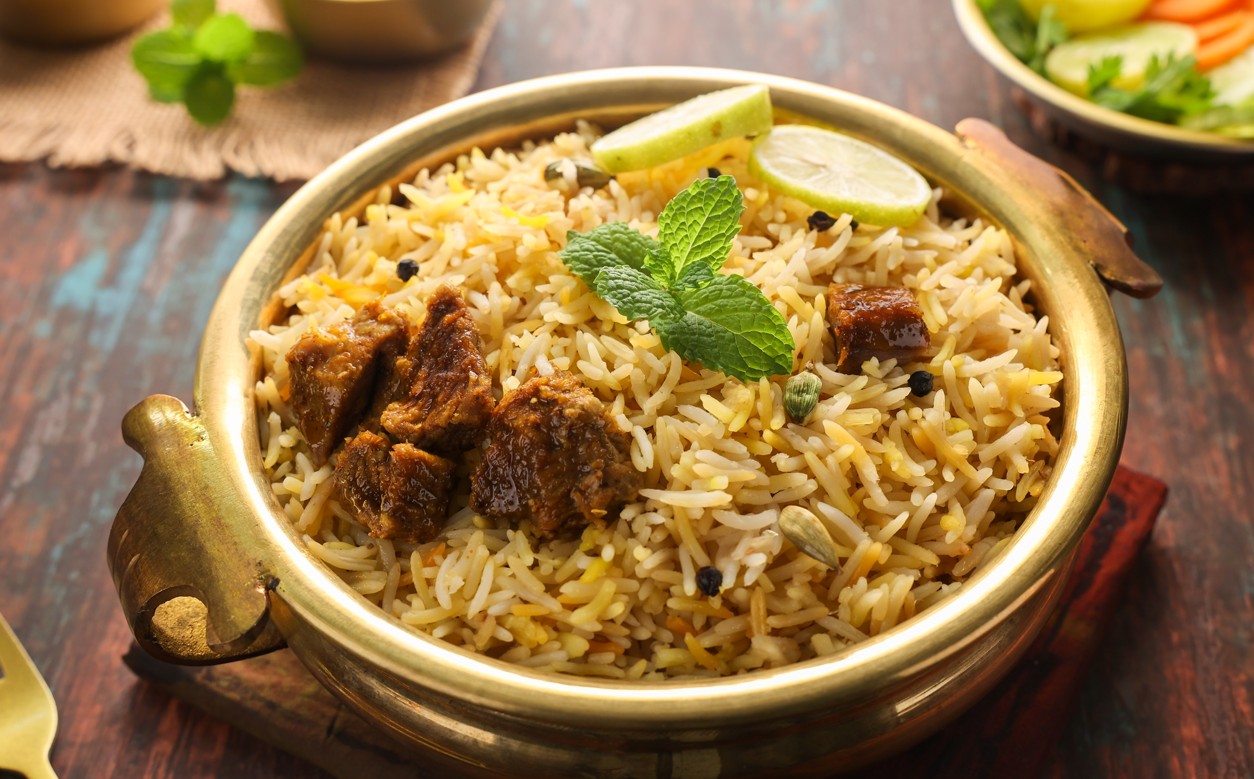
Pilao (pilau), a fragrant spiced rice dish with meat or fish, reflects strong Arab influence and is often prepared for special occasions. Mataba—cassava leaves cooked with coconut milk and fish or meat—is a deeply comforting everyday dish. Grilled fish, seasoned simply with lime, garlic, and local spices, is eaten daily, while coconut-based curries with chicken, fish, or beef showcase Indian Ocean flavors. Comorian biryani, distinct from South Asian versions, tends to be lighter, citrus-forward, and less heavily spiced.
Everyday Comorian & Swahili Coast Food
Breakfast in Comoros is simple and light, often consisting of fresh tropical fruit (banana, mango, pineapple), bread with coconut jam, or leftover rice dishes. Lunch is the main meal of the day, usually centered on rice served with fish or meat in sauce, beans, or cooked greens. Dinner is lighter and may include soup, reheated lunch dishes, or bread with accompaniments.
Rice is eaten at nearly every meal, frequently cooked in coconut milk (riz coco). Seafood—fish, octopus, squid, and lobster—is central, particularly in coastal communities. Cassava and plantains are boiled, fried, or mashed, while beans and lentils provide protein inland. French influences persist in the availability of baguettes and pastries in towns, especially in urban areas.
Arab, French & African Culinary Fusion
Comorian cuisine is the result of centuries of cultural exchange along Indian Ocean trade routes. Arab influence is evident in the use of spices, rice dishes, and sweet pastries. African Bantu traditions provide the foundation: cassava, plantains, leafy greens, and slow-cooked stews. Malagasy influences appear in certain rice and vegetable preparations.
French colonial rule introduced bread, baking techniques, café culture, and some European cooking methods, though alcohol remains limited due to Islamic customs. The result is a cuisine where French bread may accompany a coconut-based fish curry scented with cloves and cardamom, followed by fruit or a lightly vanilla-infused dessert.
Beverage Culture and Local Production
Beverage culture in Comoros is shaped by its tropical climate and Islamic traditions. Fresh coconut water is the most common refreshment, often drunk straight from the shell. Coffee and tea are widely consumed, typically strong and sweet, sometimes flavored with cardamom. Fresh fruit juices made from mango, passion fruit, sugar cane, or citrus are popular throughout the day.
Alcohol is not widely consumed, though some hotels and French-style restaurants may serve wine. Comoros is globally renowned for its production of essential oils—particularly ylang-ylang—and high-quality vanilla, which appear more often in perfumery than in cooking but still influence the islands’ sensory identity. Hospitality customs usually include offering guests tea or juice.
Dining Customs and Practical Tips
Dining in Comoros follows Islamic and communal customs. Meals are often shared from a central platter and traditionally eaten with the right hand; the left hand should not touch food. Utensils are increasingly common in towns. Washing hands before and after meals is expected.
If invited into a Comorian home, bringing a small gift is appreciated. Accepting food and finishing what you take is considered polite. Street food is generally safe and delicious—look for sambusa (fried pastries filled with fish or meat), grilled corn, or fresh fruit. Restaurant service can be slow by Western standards; meals are meant to be unhurried.
During Ramadan, avoid eating or drinking in public during daylight hours. Stick to bottled or boiled water. Comorian food is rarely aggressively spicy but intensely aromatic. Be adventurous with seafood, especially octopus and reef fish. Prices are modest, and the best meals are often the simplest.
This guide covers what to eat in Comoros, from vanilla lobster and coconut bread to rice dishes, curries, and tropical fruit. Use it to plan a culinary exploration of these Indian Ocean islands, where Swahili, Arab, African, and French traditions meet at a uniquely Comorian table.
Check monthly weather averages for
Latest Secret Flying deals to Comoros
European cities to the Comoros Islands from only €427 roundtrip (Mar-Jun dates)
Cheap flights from European cities to the Comoros Islands from only €427 roundtrip.
View DealScandinavian cities to the Comoros Islands from only €476 roundtrip (Jan-Mar dates)
Cheap flights from Scandinavian cities to the Comoros Islands from only €476 roundtrip with KLM and Air France.
View DealStockholm, Sweden to the Comoros Islands for only €488 roundtrip (Mar dates)
Cheap flights from Stockholm, Sweden to the Comoros Islands for only €488 roundtrip with Air France.
View Deal [adblockingdetector id="638efa67113bf"]