


Córdoba Food Guide
Food in Córdoba: What to Eat & Drink
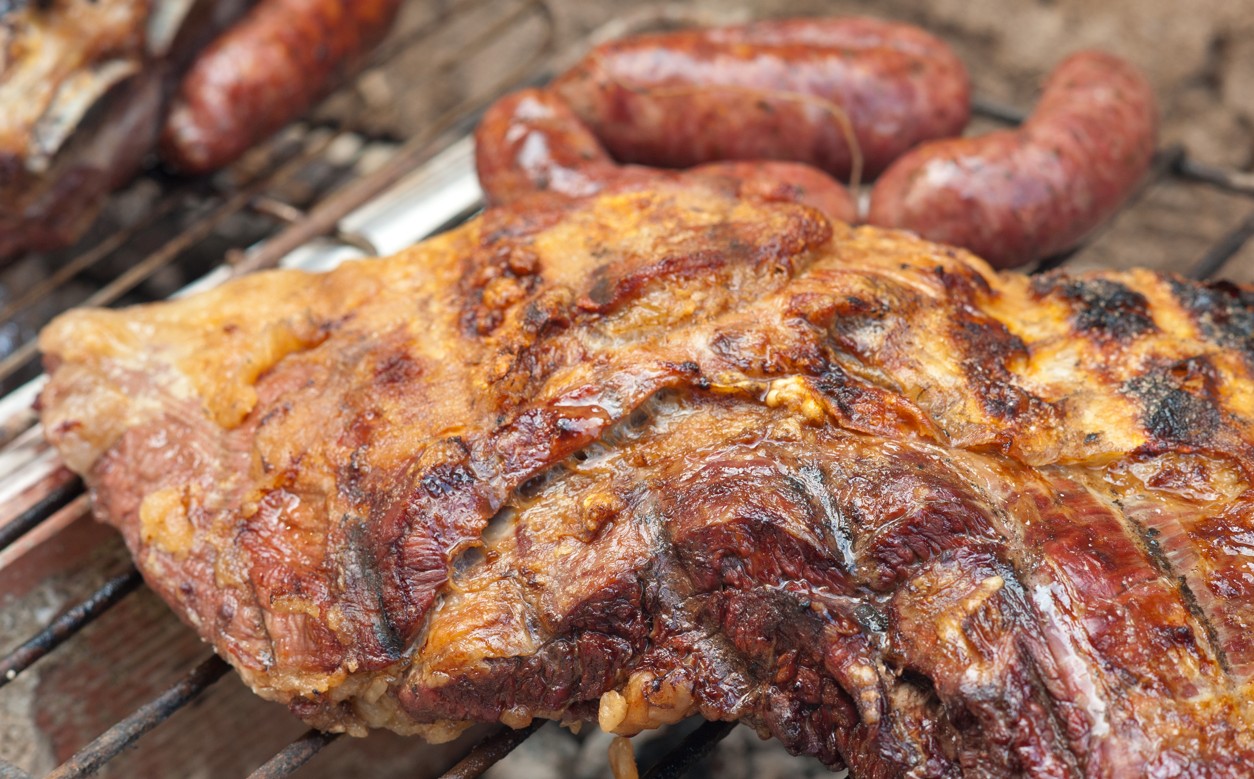
The culinary landscape of is a hearty and deeply rooted expression of Argentina’s interior traditions, blending indigenous ingredients, Spanish colonial heritage, and strong Italian immigrant influence with the agricultural abundance of the central Pampas. As Argentina’s second-largest city and the cultural heart of the country’s interior, Córdoba has developed a distinctive food culture that balances classic asado (barbecue) with regional stews, sweet-savory specialties, and a youthful, university-driven dining scene.
Situated at the foothills of the Sierras Chicas and far from the coast, Córdoba’s cuisine is unmistakably inland and meat-centric. Beef, corn, wheat, dairy, and locally grown fruits dominate the table, while communal eating, slow cooking, and generous portions define the rhythm of meals. From traditional parrillas in Güemes to modern bistros in Nueva Córdoba, the city offers a culinary journey through the soul of Argentina’s heartland.
Local Specialities of Córdoba
Córdoba is celebrated for locro cordobés, a thick, comforting stew made from white corn, beans, chorizo, beef, and squash. While locro is found throughout Argentina, the Córdoba version is richer and heartier, reflecting the colder winters of the Sierras. Another signature dish is matambre arrollado, rolled flank steak stuffed with vegetables, hard-boiled eggs, and herbs, then sliced to reveal its distinctive spiral.
Empanadas cordobesas stand out from other regional styles for their sweet-and-savory filling, typically combining beef with raisins, olives, and egg. Street food revolves around choripán con pebre, a chorizo sandwich topped with a fresh tomato-onion-pepper salsa, especially popular around football stadiums. Traditional stews like carbonada criolla, which incorporates seasonal fruits such as peaches or apricots, highlight the region’s fruit production. For dessert, postre Balcarce—layers of sponge cake, dulce de leche, meringue, and coconut—is a beloved classic.
Everyday Argentine & Córdoba Food
Breakfast in Córdoba is light and sweet, typically featuring medialunas (croissants), facturas (pastries), and café con leche. Lunch is the main meal and often begins late—around 2 PM—with pasta, milanesas, or grilled meat. Dinner is served even later, usually after 9 PM, and is as much a social event as a meal.
Beef dominates daily cooking, appearing as steaks, breaded cutlets, stews, and slow-grilled asado cuts. Italian immigration left a lasting mark: pasta is eaten weekly, and the tradition of eating ñoquis (gnocchi) on the 29th of each month for good luck remains widespread. Thick, cheese-heavy stone-oven pizza is a local staple, while sandwiches de miga—delicate crustless sandwiches—are served at celebrations. Dulce de leche is omnipresent, filling pastries, cakes, and flans.
Regional Influences and Sierras Traditions
Córdoba’s cuisine reflects centuries of layered influence. Indigenous Comechingón traditions survive in the use of corn, beans, and squash in dishes like locro. Spanish colonial settlers introduced wheat, cattle, dairy, and baking techniques. Later Italian immigration reshaped everyday eating with pasta, pizza, and desserts.
The surrounding Sierras valleys—Punilla, Calamuchita, and Traslasierra—supply honey, walnuts, fruits, artisanal cheeses, and cured meats. German and Swiss settlements in the hills contributed pastries, chocolate, and beer styles still present today. This fusion creates meals where Italian pasta may be followed by Spanish-style flan drenched in dulce de leche, enjoyed alongside Argentine wine or local spirits. Traditional peñas (folk music venues) keep rural food and music alive within the city.
Craft Beverages and Local Drinking Culture
Córdoba’s beverage culture revolves around three pillars: wine, craft beer, and fernet. While the province itself is not a major wine producer, the city is a major consumer of Argentine wines from Mendoza and San Juan, with Malbec as the undisputed favorite. The iconic local drink is fernet con coca—a mix of Fernet-Branca and Coca-Cola prepared with near-ritual precision. Córdoba accounts for the majority of Argentina’s fernet consumption.
The craft beer scene has expanded rapidly, with local breweries producing IPAs, stouts, and golden ales. Cider (sidra) is popular during holidays, while mate—the herbal infusion shared communally—is consumed throughout the day and across all social groups. Coffee culture is strong, with classic cafés serving cortados and lágrimas, and the Sierras produce small-batch fruit liqueurs and walnut spirits.
International Dining and Contemporary Scene
Driven by its large student population and growing tech sector, Córdoba’s dining scene has become increasingly diverse. Italian cuisine remains foundational, but newer influences include Peruvian cevicherías, Japanese sushi adapted to Argentine tastes, and Middle Eastern restaurants from Armenian and Lebanese communities. Spanish tapas bars and modern Argentine fusion restaurants have gained popularity in recent years.
Neighborhoods like Güemes and Nueva Córdoba showcase contemporary interpretations of traditional dishes, while vegetarian and vegan options have expanded significantly. Despite international influences, Córdoba’s food culture remains unmistakably Argentine—generous, meat-focused, and centered on long, social meals. Traditional cafés and ice-cream shops are cultural institutions, often staying open late into the night.
Food Customs and Practical Tips
Dining in Córdoba follows Argentina’s famously late schedule. Lunch is leisurely, dinner is late, and meals are valued as social occasions. Tipping around 10% (propina) is customary in restaurants. Reservations are recommended for popular parrillas, especially on weekends.
If invited to an asado, accept meat offerings generously—it honors the parrillero. Pace yourself, as multiple courses are common. When drinking mate, never stir the straw and avoid saying “thank you” until you are finished, or you won’t be served again. Restaurants may feel empty early in the evening but fill rapidly after 10 PM.
Explore Güemes for trendy dining and nightlife, Nueva Córdoba for student-friendly spots, Centro for historic cafés and pizzerias, and Alberdi for traditional parrillas. Try a peña for folkloric music and regional dishes, visit local markets for artisanal products, and be adventurous with offal such as mollejas (sweetbreads) and chinchulines (intestines). Córdoba offers excellent value, with high-quality food at prices well below Buenos Aires. Above all, embrace the cordobés spirit—relaxed, sociable, and proudly devoted to its food traditions.
This guide covers what to eat in Córdoba, from locro and empanadas to fernet con coca and craft beer. Use it to plan your culinary exploration of Argentina’s vibrant, flavorful heartland city.
 [adblockingdetector id="638efa67113bf"]