


Dublin Food Guide
Food in Dublin: What to Eat & Drink
The culinary landscape of is a vibrant renaissance of Irish tradition, contemporary innovation, and cosmopolitan influence, making it one of Europe’s most exciting and rapidly evolving food destinations. As Ireland’s capital and largest city, Dublin has developed a distinctive food culture that balances hearty, comforting pub fare with sophisticated modern cuisine, all underpinned by Ireland’s exceptional agricultural bounty, brewing heritage, and renewed culinary confidence.
Dublin’s cuisine reflects its history as a Viking settlement and colonial capital, its literary and musical traditions, and its modern identity as a European tech and cultural hub. The result is food that feels both deeply rooted in Irish soil and confidently global in outlook.
Local Specialities of Dublin
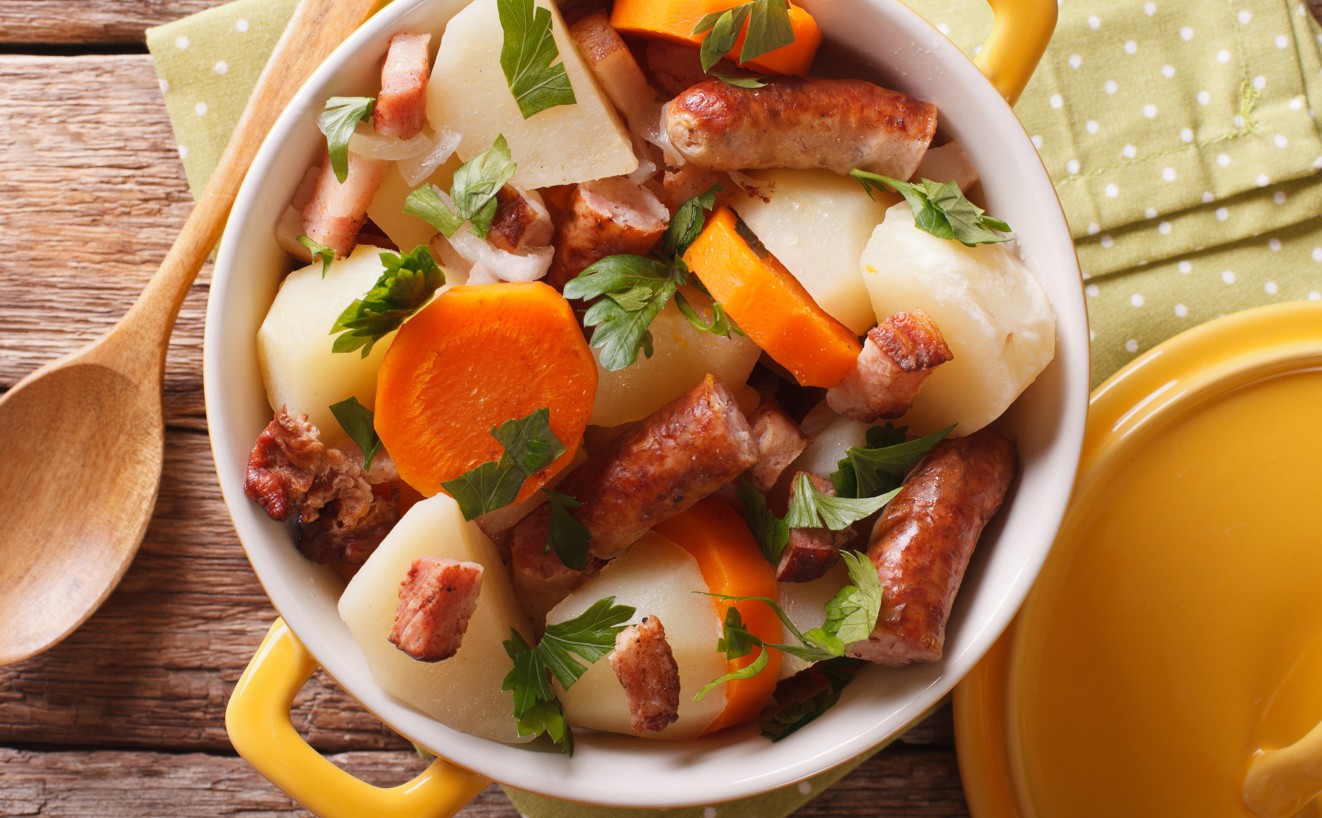
Dublin is celebrated for coddle, a traditional working-class dish of sausages, bacon, potatoes, and onions slowly stewed together—originally a way to use leftovers and still a defining local comfort food. The city is also known for Irish stew, traditionally made with lamb or mutton, potatoes, onions, and carrots, with some Dublin versions incorporating barley.
Dublin Bay prawns (technically Norwegian lobster or langoustine) are a prized local seafood, typically served simply with mayonnaise or butter. Boxty, a potato pancake combining grated and mashed potato, appears in traditional restaurants, while crubeens (pig’s trotters) are an old-fashioned pub snack.
Dublin’s baking tradition produces excellent brown bread and soda bread. The iconic full Irish breakfast—bacon, sausage, black and white pudding, eggs, tomatoes, mushrooms, and sometimes baked beans—is a substantial morning ritual. Seafood chowder, rich with Irish smoked salmon, mussels, and cream, showcases the city’s coastal access.
Guinness, brewed in Dublin at St. James’s Gate since 1759, is more than a drink—it’s an ingredient, appearing in stews, breads, and desserts across the city.
Everyday Irish & Dublin Food
Breakfast in Dublin may include a full Irish, porridge with honey, or the beloved breakfast roll—all the fry-up ingredients packed into a baguette. Lunch often features soup-and-sandwich combinations, café fare, or pub classics. Dinner spans everything from traditional Irish dishes to global cuisine.
Potatoes remain central to the Irish diet, appearing boiled, mashed, roasted, fried, and baked into breads. Irish dairy—butter, cream, cheese—is exceptional and heavily featured. Grass-fed Irish beef and lamb are everyday staples, while seafood such as salmon, mussels, oysters, and crab is fresh and abundant.
Modern Irish cuisine in Dublin reimagines traditional ingredients using global techniques and refined presentation. The pub remains central to daily life, with many establishments offering food that rivals standalone restaurants. Dublin’s specialty coffee scene has expanded rapidly, and the city’s growing multicultural population continues to broaden everyday dining choices.
Historical Layers: Gaelic, Norman, British & Global Influences
Dublin’s cuisine is a palimpsest shaped by centuries of change. Early Gaelic foodways emphasized oats, dairy, and simple preparations. Norman influences introduced new cooking methods and spices, while British rule brought tea culture, baking traditions, and imported ingredients—often at the expense of indigenous practices.
The introduction of the potato transformed Irish eating habits, while the Great Famine (1845–1852) permanently altered food culture through scarcity and emigration. Independence in 1922 marked the beginning of a reclaimed culinary identity. EU membership and the Celtic Tiger era introduced continental and global influences.
Today’s Dublin cuisine reflects this layered history: ancient staples, colonial legacies, modern global techniques, and a renewed pride in Irish produce—often enjoyed alongside a pint of stout brewed in the city for over 260 years.
Craft Beverage Scene and Liquid Heritage
Dublin’s beverage culture is defined by its brewing and distilling heritage, complemented by modern innovation. Guinness remains the undisputed icon, best enjoyed fresh in a traditional pub. Irish whiskey is experiencing a major revival, with historic traditions revived by modern distilleries such as Teeling.
The craft beer movement has flourished, with local breweries producing stouts, porters, pale ales, and experimental styles. Irish coffee, combining coffee, Irish whiskey, sugar, and cream, is a classic. Tea remains deeply embedded in daily life, while the cocktail scene increasingly showcases Irish spirits.
What truly distinguishes Dublin is its pub culture—the “local” as a social anchor where food, drink, conversation, and music blend naturally in historic surroundings.
International Dining and Contemporary Scene
As a cosmopolitan capital, Dublin offers impressive international dining. Asian cuisines are particularly strong, including Chinese, Thai, Vietnamese, Japanese, and Korean restaurants. Italian food is deeply embedded, from casual pizzerias to refined trattorias.
French, Spanish, Mediterranean, Middle Eastern, Mexican, and American cuisines are well represented. Meanwhile, modern Irish restaurants are leading a national culinary revival, reinterpreting local ingredients with contemporary techniques and earning international acclaim.
Food markets and casual dining spaces showcase diversity, while fine-dining establishments push boundaries. Despite its global reach, Dublin’s food scene remains distinctly Irish—friendly, unpretentious, and closely connected to local farmers, fishermen, and producers.
Food Customs and Practical Tips
Dining in Dublin ranges from casual pubs to elegant white-tablecloth restaurants, with a generally warm, sociable atmosphere. Tipping of 10–15% is appreciated but not always expected if a service charge is included. Reservations are recommended for popular restaurants, particularly on weekends.
In pubs, food is often ordered at the table, while drinks are ordered at the bar. Experience both historic pubs and modern gastropubs. Don’t limit yourself to Guinness—try Irish craft beers and whiskeys as well.
Explore different areas: Temple Bar for atmosphere, South William Street and the Creative Quarter for contemporary dining, Ranelagh and Rathmines for local favourites, Howth and Dún Laoghaire for seafood with coastal views, and Stoneybatter or Smithfield for emerging food scenes.
This guide covers what to eat in Dublin, from coddle and Irish stew to modern Irish cuisine and outstanding seafood. Use it to plan your culinary exploration of Ireland’s vibrant capital, where tradition and innovation flow together as smoothly as a perfectly poured pint.
Check monthly weather averages for
Latest Secret Flying deals to Dublin
Non-stop from Boston to Dublin, Ireland for only $365 roundtrip
Non-stop flights from Boston to Dublin, Ireland for only $365 roundtrip with Aer Lingus.
View DealSydney, Australia to European cities from only $1166 AUD roundtrip
Cheap flights from Sydney, Australia to European cities from only $1166 AUD roundtrip with Turkish Airlines.
View DealMelbourne, Australia to European cities from only $1177 AUD roundtrip
Cheap flights from Melbourne, Australia to European cities from only $1177 AUD roundtrip with Turkish Airlines.
View Deal [adblockingdetector id="638efa67113bf"]