


Fiji Food Guide
Food in Fiji: What to Eat & Drink
The culinary landscape of is a vibrant fusion of indigenous Fijian traditions, Indo-Fijian influences, and South Pacific ingredients, creating one of the most diverse and flavorful food cultures in the Pacific Islands. As an archipelago of more than 300 islands in the heart of Melanesia, Fiji has developed a food culture shaped by the land, the sea, and centuries of cultural exchange.
Fijian cuisine balances ancient earth-oven cooking with fragrant curries, abundant tropical produce, and the culinary legacy of Indian indentured laborers who became an integral part of the nation. The food reflects Fiji’s history as a collection of chiefdoms, its British colonial period, its complex ethnic composition, and its modern identity as a multicultural democracy and global tourism destination—resulting in dishes that are fresh, aromatic, and deeply connected to both community and environment.
Local Specialities of Fiji
Fiji is best known for kokoda, the national dish featuring raw fish—typically walu (Spanish mackerel), mahi-mahi, or trevally—marinated in lime juice and coconut milk with onions, chilies, and vegetables. Often described as a Pacific cousin of ceviche, kokoda is creamier, milder, and distinctly Fijian in character.
The traditional lovo feast is the cornerstone of indigenous Fijian cooking. Meat, fish, and root vegetables are wrapped in banana leaves and slow-cooked for hours in an underground earth oven, producing smoky, tender dishes served communally. Palusami, taro leaves filled with coconut cream and onions (sometimes with meat or seafood), is another beloved dish that bridges Fijian and Indo-Fijian influences.
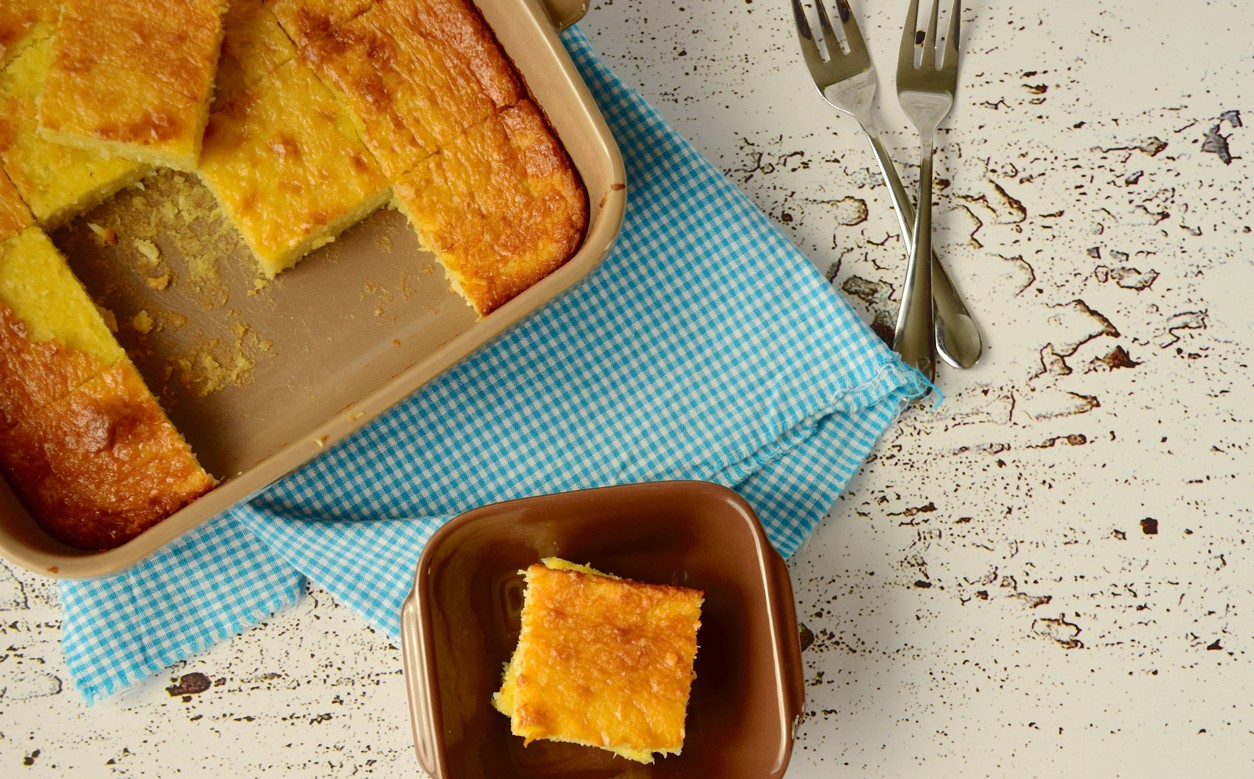
Rourou (taro leaves cooked in coconut milk) is a staple vegetable dish, while desserts include cassava cake—a dense, sweet baked pudding—and vakalolo, a steamed banana-leaf-wrapped dessert made from cassava, coconut, and sugar. Fijian-style curries, adapted from Indian traditions with local ingredients and coconut bases, are now central to everyday eating. The most distinctive local beverage is kava (yaqona), a ceremonial drink made from ground pepper root and essential to social and cultural life.
Everyday Fijian & Island Food
Breakfast in Fiji may include fresh tropical fruit, pancakes with coconut, or the Indo-Fijian staple of roti served with vegetable or lentil curry. Lunch often features curry with rice, grilled fish, or light coconut-based dishes. Dinner blends traditional Fijian preparations with Indian-influenced meals.
Root vegetables—taro, cassava (tavioka), yams, and sweet potatoes—are daily staples, typically boiled, roasted, or mashed. Coconut products appear everywhere: milk, cream, grated flesh, and oil form the backbone of many dishes. Fresh seafood is eaten regularly in coastal communities, while rice serves as a shared staple across ethnic groups. Meals are often communal, reflecting the Fijian emphasis on sharing and hospitality. Fiji’s warm climate favors fresh, lightly cooked foods balanced with cooling coconut elements.
Cultural Fusion: Indigenous Fijian, Indian & Colonial Influences
Fiji’s cuisine reflects its layered history. Indigenous iTaukei traditions centered on root crops, seafood, coconut, wild greens, and earth-oven cooking. The arrival of Indian indentured laborers between 1879 and 1916 introduced curries, spices, roti, dhal, and vegetarian dishes that became inseparable from national food culture.
British colonial rule added baking traditions, tea culture, and European vegetables. Chinese immigrants contributed noodle and stir-fry dishes, while interaction with neighboring Pacific islands added regional influences. Today, many dishes cannot be neatly categorized as “Fijian” or “Indian”—they are distinctly Fiji-style, reflecting a cuisine where cultures have blended over generations rather than existing side by side.
Beverage Culture and Local Refreshments
Fiji’s beverage culture revolves around ceremonial kava, tropical fruit drinks, and the legacy of sugar production. Kava (yaqona) is central to Fijian social life—prepared by mixing ground pepper root with water, it produces a calming, mildly numbing effect and is consumed according to specific rituals.
Fresh coconut water straight from the shell is the island refreshment of choice. Fruit juices made from pineapple, mango, passionfruit, guava, and papaya are widely available. Fiji Bitter and Fiji Gold are the national beers, while rum reflects the country’s sugarcane heritage. Tea remains popular due to British influence, while coffee is mostly imported.
Internationally known Fiji Water is bottled locally from an artesian aquifer, though for residents it is simply good drinking water. What truly distinguishes Fiji’s beverage culture, however, is the kava ceremony—participating respectfully offers one of the deepest insights into Fijian values of community, respect, and shared experience.
International Dining and Contemporary Scene
As a major tourism destination, Fiji offers extensive international dining, particularly in resort areas where Japanese, Italian, modern fusion, and fine dining restaurants incorporate local ingredients. Chinese restaurants are common in towns, serving both traditional and localized dishes.
Modern Fijian restaurants in Suva and Nadi are reinterpreting traditional dishes with contemporary presentation, while local curry houses remain everyday favorites. Despite global options, Fiji’s most memorable meals are often the simplest—fresh fish grilled on the beach, a village lovo feast, or a fragrant curry from a neighborhood eatery. The contrast between resort dining and local food experiences defines modern Fijian gastronomy.
Food Customs and Practical Tips
Dining in Fiji is relaxed but guided by cultural etiquette. When visiting a Fijian village, dress modestly, remove hats, and present a gift of kava (sevusevu) to the chief as a sign of respect. Eating with hands or utensils is acceptable depending on context.
When participating in a kava ceremony, follow local protocol: clap once before receiving the bowl, drink it in one go, clap three times afterward, and say “Bula.” Do not miss kokoda—it is the national dish for a reason. Visit local markets for the freshest produce and prepared foods, and take any opportunity to attend a lovo feast.
Explore a mix of experiences: resorts for international dining with local twists, villages for traditional Fijian food, towns for Indo-Fijian curry houses, and markets for everyday island flavors. Drink bottled or purified water outside major resorts. Fiji offers excellent value in local eateries, while resort dining is comparatively expensive.
This guide covers what to eat in Fiji, from kokoda and lovo feasts to Indo-Fijian curries, kava, and tropical fruits. Use it to plan your culinary exploration of the South Pacific’s welcoming islands, where food, community, and the spirit of “Bula” are inseparable.
Check monthly weather averages for
Latest Secret Flying deals to Fiji
AROUND THE WORLD: Rome, Italy visiting 5 countries for only €1342 roundtrip
An amazing around the world trip from Rome, Italy visiting 5 countries for only €1342 roundtrip.
View Deal🔥 SUMMER: Non-stop from Dallas, Texas to Fiji for only $269 one-way
Non-stop, summer flights from Dallas, Texas to Fiji for only $269 one-way with Fiji Airways.
View DealSUMMER: Non-stop from Dallas, Texas to Fiji for only $548 roundtrip
Non-stop, summer flights from Dallas, Texas to Fiji for only $548 roundtrip with Fiji Airways.
View Deal [adblockingdetector id="638efa67113bf"]