


Fresno Food Guide
Food in Fresno: What to Eat & Drink
The culinary landscape of is a vibrant expression of Central Valley agricultural abundance, immigrant traditions, and practical farm-to-table cooking, making it one of California’s most underrated and authentic food destinations. As the heart of America’s most productive agricultural region, Fresno has developed a food culture shaped directly by the land—one where freshness is not a trend but a daily reality.
The city’s cuisine reflects its history as a railroad town turned agricultural powerhouse, its role in California’s complex farming economy, and its diverse communities—particularly Mexican, Hmong, Armenian, and Southeast Asian populations. The result is a dining scene that is deeply local, multicultural, and inseparable from the surrounding fields, orchards, and vineyards.
Local Specialities of Fresno
Fresno is defined less by a single dish and more by extraordinary ingredients. The region is famous for its stone fruit—especially Cling peaches, Sun Crest peaches, nectarines, and apricots—as well as almonds, pistachios, tomatoes, garlic, and grapes. Fresno processes approximately 60% of the world’s raisins, giving rise to its nickname as the “Raisin Capital of the World.”
The city’s most recognizable prepared specialty is the tri-tip sandwich, featuring Central Valley beef grilled Santa Maria–style and served on garlic bread, reflecting California’s inland barbecue tradition. Hmong sausage, a fragrant pork sausage seasoned with lemongrass, ginger, garlic, and herbs, is a unique Fresno specialty tied to one of the largest Hmong communities in the United States.
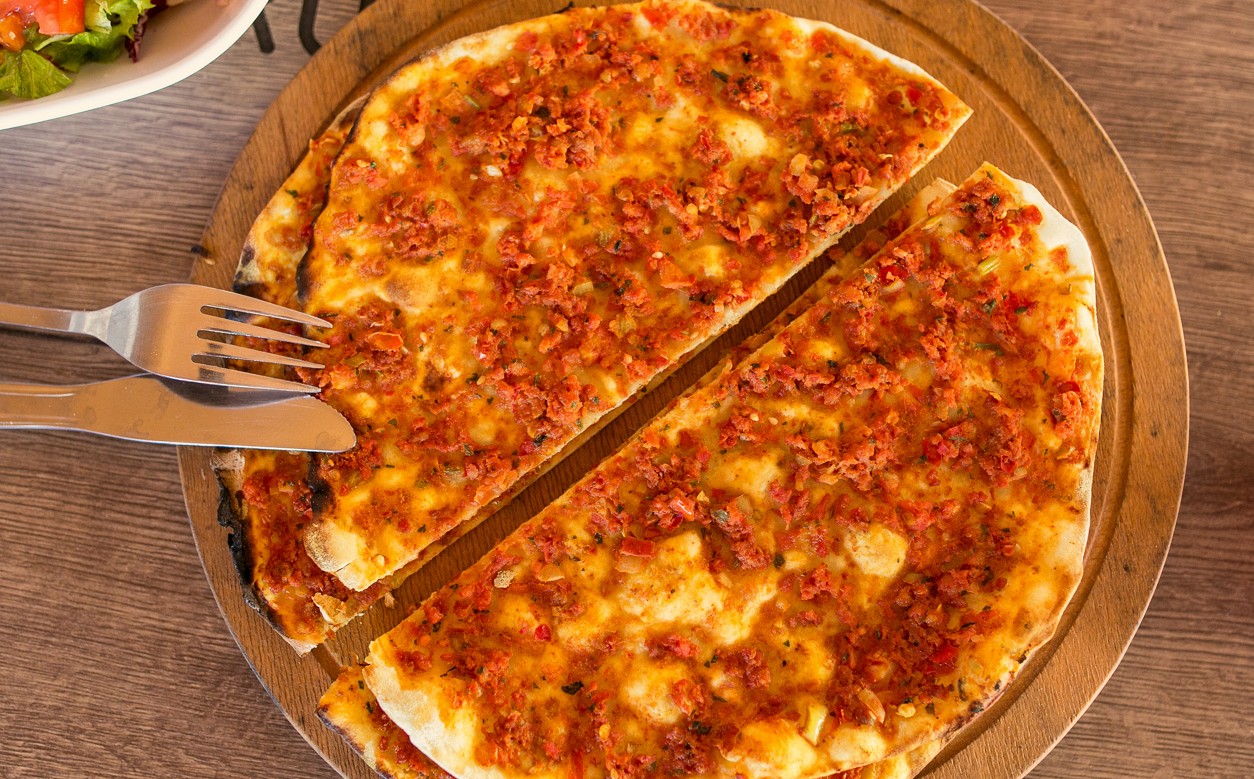
Armenian dishes such as lahmajoun (thin flatbread topped with spiced meat) and borek remain important local foods, reflecting early 20th-century Armenian settlement. Seasonal fruit pies, cobblers, and preserves are staples. Date shakes, made with Medjool dates from nearby Southern California growing regions, are a beloved regional dessert. Local wines from Fresno and Madera County vineyards offer excellent quality and value.
Everyday Central Valley & Fresno Food
Breakfast in Fresno often includes farm-fresh eggs, locally made sausage, breakfast burritos, or fresh fruit. Lunch is frequently casual—tacos, tortas, sandwiches, or produce-driven salads. Dinner showcases both traditional ethnic cooking and modern California cuisine built around peak-season ingredients.
Fresh produce appears at nearly every meal, even in modest restaurants. Mexican food is an everyday staple, with taquerias serving regional styles from across Mexico. Hmong, Lao, and broader Southeast Asian flavors are deeply integrated into the city’s food culture. Beef from Central Valley ranches features prominently, as do tomatoes, peppers, herbs, and stone fruit grown within miles of the city.
Fresno’s hot, dry climate—often exceeding 100°F in summer—shapes dining habits, favoring fresh, cooling foods and casual outdoor eating. The farm-to-table philosophy is not performative here; chefs often know growers personally, and menus change based on what was harvested that morning.
Cultural Fusion: Agriculture, Immigration & California Identity
Fresno’s cuisine is inseparable from its immigrant history. Indigenous Yokut peoples originally relied on native plants, acorns, and game. European settlers introduced orchards, vineyards, cattle, and large-scale farming. Armenian immigrants established vineyards and food traditions that remain visible today.
Mexican, Filipino, and Dust Bowl migrants shaped mid-20th-century food culture. The arrival of Hmong refugees after the Vietnam War profoundly influenced Fresno’s culinary identity, introducing herbs, fermentation, and flavor profiles rarely found elsewhere in the United States. More recent immigration from India, the Middle East, and Southeast Asia continues to expand the city’s food landscape.
This layering creates a uniquely Fresno experience: Hmong sausage for breakfast, Armenian flatbread at lunch, Mexican carnitas for dinner, and a peach from a roadside stand for dessert—all made with ingredients grown in the surrounding valley. Food here is not abstract—it is economic engine, cultural expression, and daily sustenance.
Craft Beverage Scene and Agricultural Libations
Fresno’s beverage culture mirrors its agricultural roots. Local wines from Fresno and Madera County—among California’s oldest wine-growing regions—produce robust Zinfandels, fruit-forward Barberas, and aromatic whites at approachable prices. Many wineries operate directly among vineyards and orchards.
Craft beer has grown steadily, with local breweries producing approachable, heat-friendly styles alongside more experimental releases. Fresh fruit juices, smoothies, and aguas frescas are ubiquitous, often made from produce harvested the same day. Date shakes remain a regional icon.
Coffee culture is developing, with local roasters and cafés emerging downtown and in the Tower District. The craft cocktail scene is modest but growing, often incorporating seasonal fruit, citrus, and local spirits.
International Dining and Contemporary Scene
Fresno offers exceptional international dining for its size. Mexican cuisine is outstanding and deeply regional. Hmong and Southeast Asian restaurants provide experiences found in very few American cities. Armenian, Middle Eastern, and Mediterranean establishments reflect long-standing communities.
Italian, Chinese, Japanese, and Indian cuisines are widely available. Modern Californian restaurants reinterpret local ingredients with global techniques, particularly in the Tower District, Downtown, and Fig Garden areas. Across cuisines, Fresno’s defining characteristic remains ingredient quality—hyper-local produce elevates everything from street food to fine dining.
Food Customs and Practical Tips
Dining in Fresno is generally casual, welcoming, and unpretentious. Tipping (15–20%) is standard. Reservations are recommended for popular restaurants in the Tower District and Fig Garden on weekends.
Visit during harvest seasons for peak experiences: stone fruit in summer, grapes in autumn, citrus in winter, and early vegetables in spring. Seek out Hmong food—it is one of Fresno’s most distinctive culinary assets. Roadside farm stands and farmers’ markets often offer better quality and prices than supermarkets.
Explore different neighborhoods: the Tower District for historic charm and diverse dining, Downtown for emerging concepts, Fig Garden for upscale options, East Fresno for Hmong markets and restaurants, and West Fresno for authentic Mexican food. Be prepared for extreme summer heat—many restaurants feature shaded patios and misters.
This guide covers what to eat in Fresno, from Central Valley produce and Hmong cuisine to Mexican food and farm-to-table California cooking. Use it to plan your culinary exploration of California’s agricultural heartland, where the food that feeds the nation is grown, cooked, and celebrated daily.
Check monthly weather averages for
Latest Secret Flying deals to Fresno
Dallas, Texas to Fresno, California (& vice versa) for only $176 roundtrip
Cheap flights from Dallas, Texas to Fresno, California for only $176 roundtrip. Also works in reverse.
View DealSUMMER: Mexico City, Mexico to Fresno, California for only $290 USD roundtrip
Summer flights from Mexico City, Mexico to Fresno, California for only $290 USD roundtrip.
View DealNew York to Fresno, California (& vice versa) for only $170 roundtrip (Oct-Dec dates)
Cheap flights from New York to Fresno, California for only $170 roundtrip with American Airlines. Also works in reverse.
View Deal [adblockingdetector id="638efa67113bf"]