


Goa Food Guide
Food in Goa: What to Eat & Drink
The culinary landscape of is a vibrant fusion of Portuguese colonial heritage, Konkan coastal traditions, and tropical abundance, creating India’s most distinctive and beloved regional cuisine. As India’s smallest state and a former Portuguese colony for more than 450 years, Goa has developed a food culture unlike anywhere else in the country—one that balances fiery seafood curries with Catholic-influenced pork dishes, shaped by palm-fringed beaches, coconut groves, and centuries of cultural exchange.
Goan cuisine reflects the state’s history as a major trading port, its identity as India’s beach paradise, and its reality as both a tourist destination and a living, deeply rooted culture. The result is a food tradition that is aromatic, complex, and perfectly adapted to the tropical climate—bold yet balanced, sour, spicy, and rich in character.
Local Specialities of Goa
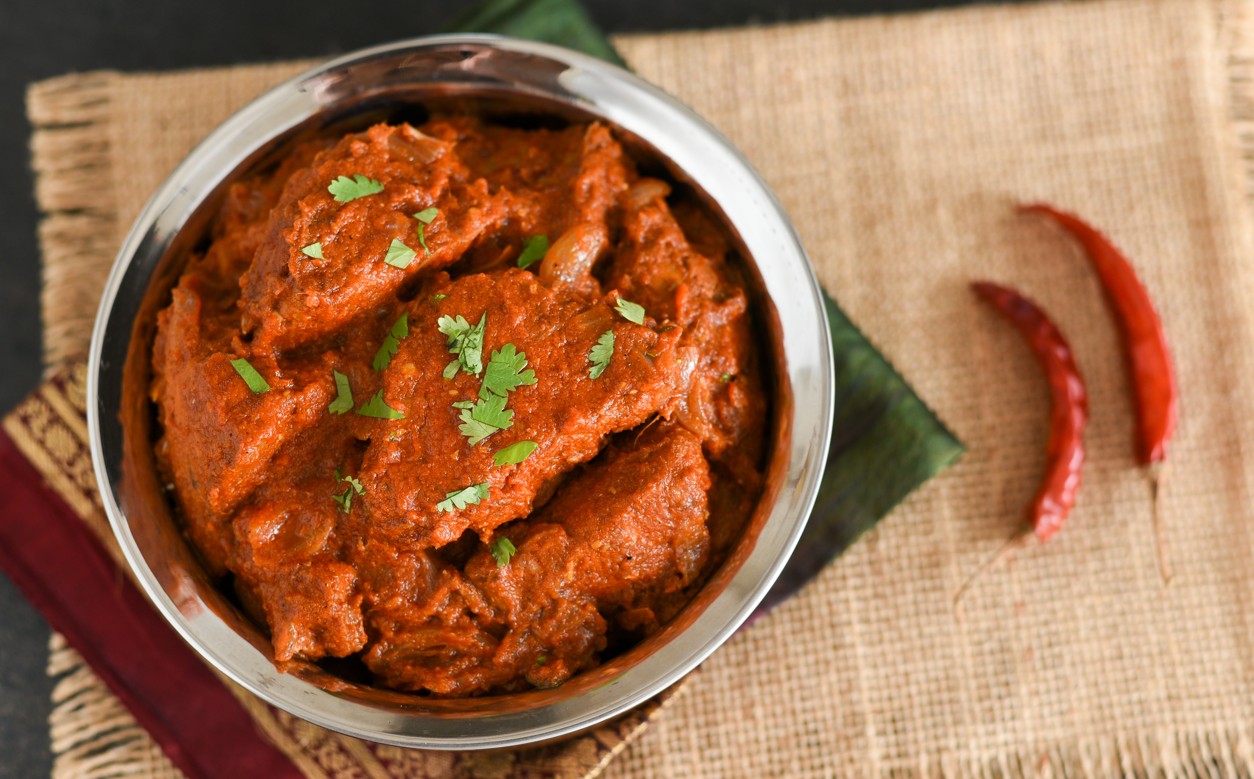
Goa is world-famous for its vindaloo, originally derived from the Portuguese vinha d’alhos (wine and garlic). In authentic Goan cooking, vindaloo is a dry, intensely flavored pork curry made with vinegar, garlic, and spices—very different from the saucier, milder versions found outside India.
The state’s everyday signature dish is fish curry rice, featuring fresh local seafood cooked in a coconut-based gravy with kokum for sourness, served alongside steamed rice. This dish represents true Goan comfort food and is eaten daily in many households.
Sorpotel, a rich pork-and-offal stew cooked with vinegar and spices, is a celebratory Catholic Goan dish traditionally prepared for Christmas and major feasts. Xacuti, a deeply aromatic curry made with roasted coconut and spices (often chicken or seafood), showcases Goan masala mastery. Shark ambot tik, a sour and spicy curry, is another classic of Catholic Goan cuisine.
Prawn balchão, a fiery, tangy shrimp pickle, is a staple accompaniment. Goan chorizo (sun-dried pork sausages) adds heat and smokiness to many dishes. For dessert, bebinca—a legendary multi-layered coconut cake made with eggs, coconut milk, and ghee—is Goa’s most iconic sweet.
Feni, the potent local spirit distilled from cashew apples or coconut toddy, is Goa’s signature drink, while ros omelette, an omelet served in spicy gravy inside bread, is beloved street food.
Everyday Goan & Coastal Food
Breakfast in Goa may include pohe (flattened rice), sanna (steamed rice cakes), or local bread such as poi or pao served with omelets or sausages. Lunch is typically the main meal and often revolves around fish curry rice, accompanied by vegetable sides, pickles, and fried fish.
Dinner may repeat similar flavors or focus on meat-based dishes, especially in Catholic households. Rice is the unquestioned staple, consumed at nearly every meal. Coconut appears in multiple forms—milk, oil, grated flesh, and vinegar—forming the backbone of Goan cooking.
Seafood such as pomfret, kingfish, mackerel, prawns, and crabs is eaten daily in coastal areas. Pork plays a central role in Catholic Goan cuisine, while Hindu Goan food leans more heavily toward seafood and vegetarian preparations. Seasonal ingredients like bamboo shoots, breadfruit, and colocasia feature in traditional recipes.
Goan food is defined by its balance of heat, acidity, and richness, often achieved through kokum and vinegar rather than tamarind. Beach shacks offer casual meals with fresh seafood and cold beer, while traditional homes preserve complex family recipes passed down for generations.
Cultural Fusion: Portuguese, Hindu & Catholic Influences
Goan cuisine is a living record of its unique colonial and religious history. Indigenous Hindu Konkan traditions emphasized rice, coconut, seafood, and local spices. Portuguese colonization (1510–1961) introduced pork, vinegar, baking techniques, potatoes, tomatoes, and chilies from the New World.
Conversion to Catholicism created a distinct culinary identity, with pork-based dishes and vinegar-heavy preparations becoming central to festive cooking. Over centuries, these influences blended so thoroughly that many dishes can no longer be labeled as purely Indian or Portuguese—they are simply Goan.
This fusion creates a cuisine where Portuguese-introduced pork vindaloo sits alongside Hindu coconut fish curry, followed by bebinca for dessert, all within a single meal. Food traditions vary by community: Catholic Goan cuisine features pork and beef, while Hindu Goan cooking emphasizes seafood and vegetarian dishes.
Beverage Culture and Local Libations
Goa’s beverage culture reflects its tropical climate and Portuguese legacy. Feni is the state’s most distinctive drink, distilled using traditional methods from cashew apples or coconut toddy and consumed neat or mixed with lime and soda.
King’s beer is the iconic local lager, particularly popular in beach shacks. Portuguese-style port wine remains available, while fresh coconut water straight from the nut is the ultimate tropical refreshment. Sugarcane juice, Limca soda, and other Indian soft drinks are widely consumed.
Tea is more common than coffee, unlike much of South India. What truly sets Goa apart is its feni culture—the spirit’s production, consumption rituals, and deep connection to Goan identity. Beachside drinking culture, with cold beer and simple food, is equally central to everyday life.
International Dining and Contemporary Scene
As India’s premier beach destination, Goa offers remarkable international dining alongside traditional cuisine. Beach shacks serve everything from Italian and Israeli to Russian food, reflecting tourist demographics. Portuguese restaurants attempt to recreate Iberian flavors using local ingredients.
Modern Goan restaurants are increasingly reinterpreting traditional dishes with contemporary techniques, particularly in boutique hotels and upscale properties. Despite international options, Goa’s most memorable meals are often the simplest—fresh fish grilled on the beach, home-style curry in a local eatery, or snacks from a market stall.
The contrast between tourist-heavy areas like Calangute and Baga and quieter villages highlights Goa’s culinary duality: international beach fare versus traditional home cooking. Both are integral to understanding Goa’s food culture.
Food Customs and Practical Tips
Dining in Goa is relaxed and informal, ranging from barefoot beach shacks to refined restaurants. When invited into a Goan home, it is polite to try everything offered. Eating with hands is common for traditional meals, though utensils are widely available.
Choose busy beach shacks with high turnover to ensure food freshness. Seek out authentic Goan vindaloo—it is very different from overseas versions. Try a traditional Goan fish thali for the most complete experience. Respect religious dietary customs: many Hindus avoid beef, while Muslims avoid pork.
Explore North Goa for lively beach culture, South Goa for a quieter, more traditional atmosphere, Panaji (Panjim) for Portuguese-influenced dining, and inland villages for authentic home-style cooking. Consider a cooking class to understand Goan masalas and techniques. Be prepared for spice levels, drink only bottled water, and embrace the rhythm of Goan life.
This guide covers what to eat in Goa, from vindaloo and fish curry to bebinca and feni. Use it to plan your culinary exploration of India’s beach paradise—where Portuguese heritage, Indian spice, and tropical abundance come together in one unforgettable cuisine.
Check monthly weather averages for
Latest Secret Flying deals to Goa
SUMMER: Abu Dhabi, UAE to Goa, India for only $278 USD roundtrip
Summer flights from Abu Dhabi, UAE to Goa, India for only $278 USD roundtrip.
View DealLondon, UK to Goa, India for only £385 roundtrip
Cheap flights from London, UK to Goa, India for only £385 roundtrip.
View DealNon-stop from Manchester, UK to Goa, India for only £333 roundtrip
Non-stop flights from Manchester, UK to Goa, India for only £333 roundtrip.
View Deal [adblockingdetector id="638efa67113bf"]