


Guatemala City Food Guide
Food in Guatemala City: What to Eat & Drink
The culinary landscape of is a vibrant fusion of ancient Maya traditions, Spanish colonial influences, and contemporary Central American flavors, creating one of Latin America’s most underrated and culturally rich food destinations. As the capital and largest metropolis of Guatemala, the city has developed a food culture that brings together indigenous highland cooking, colonial-era stews, and regional specialties from across the country.
Set in a highland valley at roughly 1,500 metres above sea level, Guatemala City’s cuisine reflects its geography, history, and cultural complexity. Rooted in corn-based Maya cooking and enriched by Spanish ingredients and techniques, the city’s food is hearty, aromatic, and deeply tied to identity, tradition, and family life. From humble comedores in the Historic Center to refined modern kitchens in Zona Viva, Guatemala City offers a culinary journey through one of Central America’s most diverse national cuisines.
Local Specialities of Guatemala City
Guatemala City is celebrated for pepián, widely considered Guatemala’s national dish. This thick, deeply flavorful stew combines meat (chicken, beef, or pork) with a sauce made from roasted tomatoes, dried chilies, sesame seeds, pumpkin seeds, and spices—an unmistakable fusion of Maya and Spanish culinary traditions.
Kak’ik, a traditional Maya turkey soup seasoned with achiote and fresh herbs, is another iconic dish with ancient roots. Tamales, especially tamales colorados wrapped in banana leaves, are essential during holidays and celebrations. Chiles rellenos, stuffed peppers battered and fried, are a beloved comfort food, while hilachas (shredded beef in tomato sauce) remains a household staple.
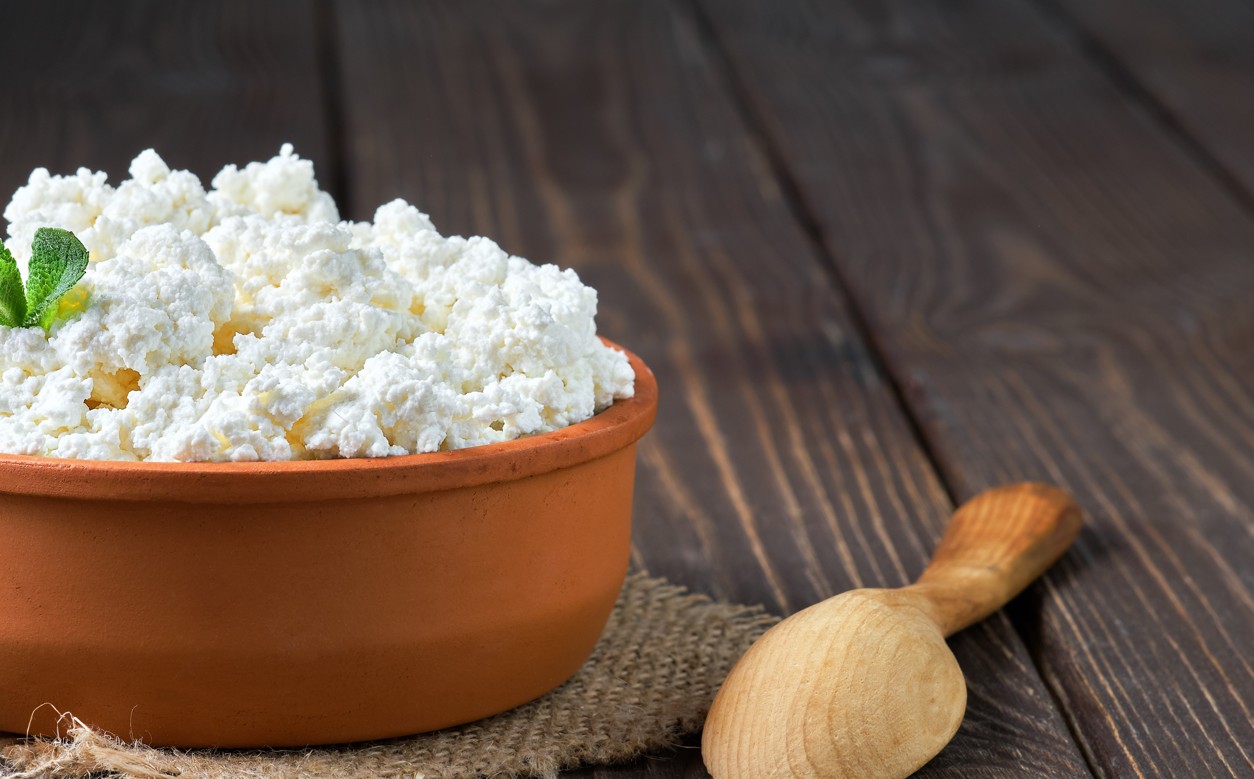
Jocón, chicken cooked in a vibrant green sauce of tomatillo, cilantro, and sesame seeds, highlights the cuisine’s fresh herbal side. Sweet dishes include rellenitos de plátano (fried plantains filled with sweetened black beans) and plátanos en mole, where ripe plantains are served in a lightly spiced chocolate sauce. Highland cheeses such as queso fresco and queso de capas are widely enjoyed, and atol de elote, a warm sweet corn drink, is traditional comfort in a cup.
Everyday Guatemalan & Guatemala City Food
Breakfast in Guatemala City typically features the classic desayuno chapín: eggs, black beans, fried plantains, fresh cheese, and handmade corn tortillas. Lunch is usually the main meal of the day, often consisting of a stew or grilled meat served with rice, beans, and tortillas. Dinner may be similar or lighter, depending on household routines.
Corn tortillas—thicker and heartier than Mexican varieties—accompany nearly every meal and are often used as utensils. Black beans are consumed daily, prepared whole, mashed, or refried. Chicken is the most common protein, while beef and pork appear in special dishes. Local vegetables such as güisquil (chayote), chipilín, and ayote (squash) feature heavily in traditional cooking.
Street food is an integral part of everyday eating, with vendors selling chuchitos (small tamales), tostadas, tacos, and snacks throughout the city. The city’s altitude influences cooking times, particularly for beans and stews, subtly shaping the texture and rhythm of Guatemalan home cooking.
Cultural Fusion: Maya, Spanish & Central American Influences
Guatemala City’s cuisine is a living expression of the country’s layered cultural history. Ancient Maya foundations centred on corn, beans, squash, chili peppers, turkey, and cacao—the sacred elements of Mesoamerican agriculture. Spanish colonisation introduced wheat, rice, dairy, beef, pork, chicken, and European cooking methods.
The resulting mestizo cuisine defines modern Guatemalan food. African influences arrived via Caribbean trade, while regional exchanges within Central America added further diversity. As the national capital, Guatemala City brings together culinary traditions from the highlands, Pacific coast, and Caribbean regions, making it the best place to experience the full breadth of Guatemalan cuisine in one city.
Beverage Culture and Local Libations
Guatemala City’s beverage culture is closely tied to agriculture and tradition. Coffee is central to daily life and national identity—beans from Antigua, Huehuetenango, and Atitlán are internationally respected for their complexity and balance. Coffee is enjoyed everywhere, from street stalls to high-end specialty cafés.
Traditional drinks include atol de elote and other grain-based atoles, along with horchata and fresh fruit licuados made from hibiscus, tamarind, and tropical fruits. Gallo, the national beer, is widely consumed, while Ron Zacapa, Guatemala’s world-famous aged rum, is a source of national pride. Quetzalteca, an anise-flavoured aguardiente, is a traditional local spirit.
What distinguishes Guatemala City is the depth of its coffee culture—coffee is not just a commodity but a daily ritual and cultural symbol connecting urban life to rural highland farms.
International Dining and Contemporary Scene
As Central America’s largest city, Guatemala City offers a broad international dining scene alongside traditional food. Chinese restaurants—often serving Chinese-Guatemalan fusion—are widespread. Italian, French, Japanese, Middle Eastern, and American cuisines are well represented, particularly in Zona 10 and Zona 14.
Modern Guatemalan restaurants are reinterpreting classic dishes with contemporary techniques, refined plating, and local sourcing. Despite this diversity, Guatemalan flavors remain dominant—international cuisines are frequently adapted using local ingredients and tastes. The city’s growing middle class and expat population support a dynamic food scene that balances tradition with innovation.
Food Customs and Practical Tips
Dining in Guatemala City ranges from informal street stalls to polished restaurants. Service is generally warm and relaxed. A 10% tip is customary in restaurants. Reservations are recommended for upscale dining, particularly on weekends.
Tortillas are meant to be eaten with food, not on their own. Pepián is essential tasting for understanding Guatemalan cuisine. Local markets, especially Mercado Central, offer some of the city’s most authentic food experiences. Street food is generally safe at busy stalls with high turnover.
Explore different areas: Zona 1 for traditional eateries and historic atmosphere, Zona Viva (Zona 10) for modern dining and nightlife, Zona 4 for trendy cafés, and Mercado Central for classic market food. Guatemalan food is flavorful but usually milder than Mexican cuisine. Drink bottled or purified water.
This guide covers what to eat in Guatemala City, from pepián and tamales to traditional home-style dishes and world-class coffee. Use it to plan your culinary exploration of Central America’s cultural heart, where Maya heritage and Spanish influence come together in one of the region’s most soulful food traditions.
Check monthly weather averages for
Latest Secret Flying deals to Guatemala City
Tampa, Florida to Guatemala City, Guatemala for only $246 roundtrip
Cheap flights from Tampa, Florida to Guatemala City, Guatemala for only $246 roundtrip with Avianca.
View DealSUMMER: Fort Lauderdale to Guatemala City, Guatemala for only $307 roundtrip
Summer flights from Fort Lauderdale to Guatemala City, Guatemala for only $307 roundtrip with Avianca.
View DealSUMMER: Raleigh, North Carolina to Guatemala City, Guatemala for only $259 roundtrip
Summer flights from Raleigh, North Carolina to Guatemala City, Guatemala for only $259 roundtrip with Copa Airlines.
View Deal [adblockingdetector id="638efa67113bf"]