


Hong Kong Food Guide
Food in Hong Kong: What to Eat & Drink
The culinary landscape of is a thrilling fusion of Cantonese tradition, British colonial legacy, and global sophistication, making it one of the world’s greatest and most diverse food capitals. As Asia’s quintessential world city and a former British colony, Hong Kong has developed a food culture that balances centuries-old dim sum rituals with relentless culinary innovation.
The city’s cuisine reflects its history as a deep-water trading port, a refuge for migrants from across China, and a global financial hub positioned at the crossroads of East and West. From humble noodle shops and dai pai dong street stalls to Michelin-starred dining rooms overlooking Victoria Harbour, Hong Kong’s food culture is dynamic, refined, and deeply rooted in both tradition and modernity.
Local Specialities of Hong Kong
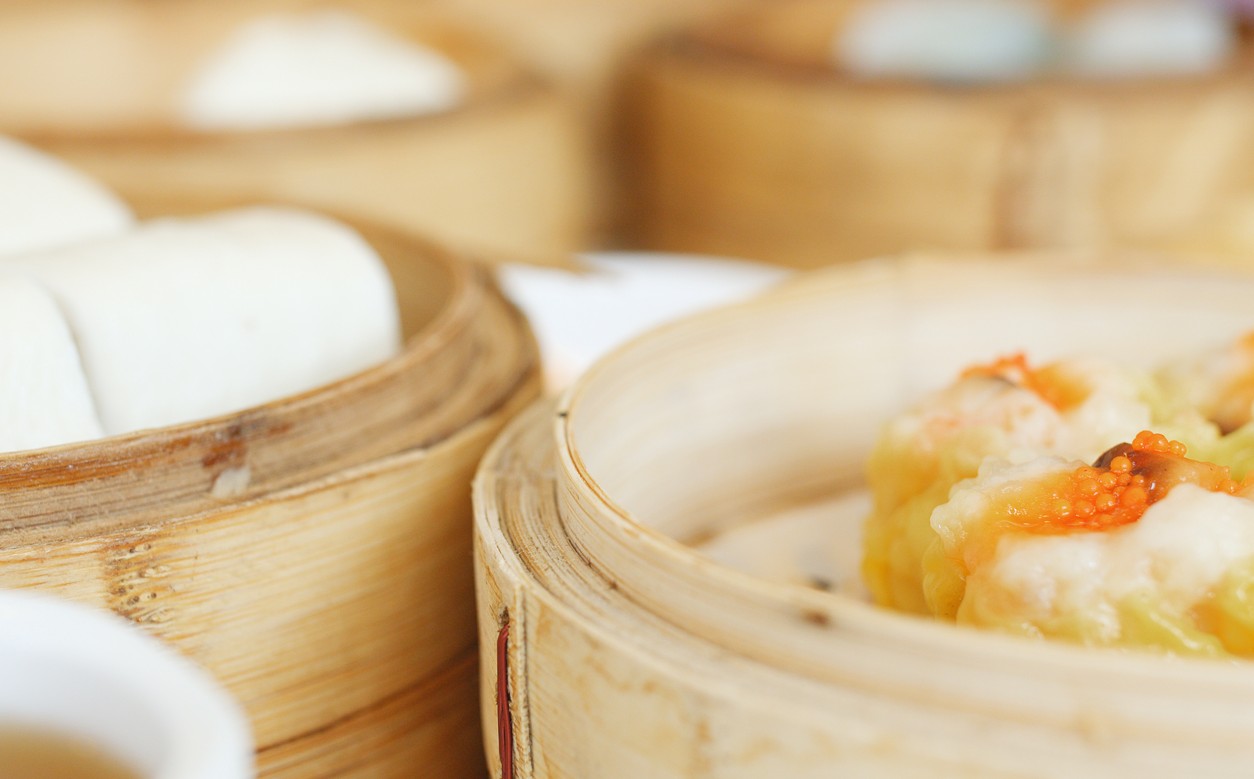
Hong Kong is world-famous for its dim sum—the Cantonese tradition of bite-sized dishes served with tea. Classics include har gow (shrimp dumplings), siu mai (pork and shrimp dumplings), char siu bao (barbecue pork buns), and cheung fun (silky rice noodle rolls), traditionally served from trolleys in bustling tea houses.
Roast meats are a cornerstone of Hong Kong cuisine. Crispy-skinned roast goose, honey-glazed char siu, and soy sauce chicken hang in restaurant windows across the city. Wonton noodle soup—springy egg noodles in clear broth with shrimp-packed dumplings—is a local obsession. Pineapple buns (bo lo bao), sweet buns with a crunchy sugar crust despite containing no pineapple, are beloved breakfast and tea-time treats.
Egg tarts, with flaky pastry and silky custard, reflect Portuguese influence via nearby Macau. Clay pot rice, cooked over charcoal with Chinese sausage, preserved meats, and a prized crispy rice crust, is winter comfort food. Hong Kong-style milk tea—strong black tea strained repeatedly and mixed with evaporated milk—is the city’s signature drink. Snake soup, a traditional winter delicacy believed to improve circulation, remains a distinctive if increasingly rare specialty.
Everyday Hong Kong & Cantonese Food
Breakfast in Hong Kong might include congee with century egg and pork, macaroni soup with ham at a cha chaan teng (Hong Kong-style café), or toast with butter and condensed milk. Lunch is often fast and functional—wonton noodles, roast meat over rice, or executive set menus in business districts. Dinner ranges from shared Cantonese family meals to casual dai pai dong street dining.
Rice is the staple, though noodles—particularly thin egg noodles and rice vermicelli—are eaten daily. Seafood from local waters, including prawns, crab, grouper, and garoupa, is prized and often simply steamed with ginger and scallions. Pork appears in countless forms: roasted, minced, barbecued, or wrapped in dumplings. Leafy greens such as gai lan (Chinese broccoli) and bok choy are stir-fried with garlic.
The cha chaan teng culture epitomises Hong Kong’s East-West fusion—spaghetti with pork chop in tomato sauce exists alongside French toast stuffed with peanut butter. The city’s subtropical climate allows year-round outdoor dining at night markets and open-air food stalls.
Cultural Fusion: Cantonese Foundations, British Influence & Global Sophistication
Hong Kong’s cuisine is a historical tapestry woven from Cantonese foundations, British colonial administration, refugee communities from across China, and its evolution into a global city. Traditional Cantonese cooking emphasised freshness, subtle seasoning, and textural balance. British rule introduced baking, dairy, afternoon tea, and Western dining customs.
Post-war migration brought regional Chinese cuisines from Shanghai, Sichuan, Chaozhou, and beyond. As an international port, Hong Kong absorbed Japanese, Southeast Asian, and European influences early. The result is a uniquely Hong Kong food culture where dim sum, Western café fare, regional Chinese dishes, and Michelin-level fine dining coexist seamlessly—refined, efficient, and unmistakably local.
Craft Beverage Scene and Local Libations
Hong Kong’s beverage culture reflects its British heritage, tropical climate, and international outlook. Hong Kong-style milk tea and yuenyeung (a blend of coffee and tea) are iconic cha chaan teng drinks consumed daily across the city.
Craft beer has flourished, with local breweries producing inventive styles tailored to the climate. Wine culture is exceptionally strong—Hong Kong’s zero wine tax has made it a global hub for collectors and auctions. Traditional herbal teas and cooling drinks such as winter melon tea remain staples. Tea culture is central to dining, from formal gongfu cha rituals to everyday yum cha gatherings.
The cocktail scene is world-class, with award-winning bars and rooftop lounges offering skyline views. Traditional spirits like baijiu appear at banquets, while snake wine and herbal infusions remain curiosities for the adventurous.
International Dining and Contemporary Scene
While Cantonese cuisine dominates, Hong Kong arguably offers the world’s strongest international dining density. Japanese cuisine is exceptionally prominent, with more Michelin-starred Japanese restaurants than many cities in Japan. French, Italian, and modern European restaurants are sophisticated and deeply embedded in the city’s dining culture.
Modern Chinese restaurants reinterpret regional classics with contemporary techniques, particularly in luxury hotels and high-end dining complexes. Despite global sophistication, Hong Kong’s culinary soul remains rooted in its dai pai dong and cha chaan teng culture—street food continues to influence even the most refined kitchens. What distinguishes Hong Kong dining is intensity: relentless competition, exacting standards, and constant reinvention.
Food Customs and Practical Tips
Dining in Hong Kong ranges from standing-room-only noodle shops to some of Asia’s most formal restaurants. Service is efficient and sometimes brisk. Tipping is not expected in local eateries, though 10% is customary in hotels and upscale restaurants.
When eating dim sum, tapping two fingers on the table thanks the person pouring tea. Try roast goose at legendary institutions. Visit a dai pai dong for authentic wok hei. Temple Street Night Market offers classic late-night street food and seafood dining.
Explore different neighbourhoods: Central and Sheung Wan for historic and upscale dining, Causeway Bay for Japanese department-store food halls, Mong Kok for street food intensity, and Sai Kung for waterfront seafood restaurants. Try both century-old institutions and chef-driven newcomers. Be prepared for fast-paced meals—efficiency is part of the culture.
This guide covers what to eat in Hong Kong, from dim sum and roast goose to wonton noodles, egg tarts, and Hong Kong-style milk tea. Use it to plan your culinary exploration of Asia’s world city, where Cantonese mastery meets global ambition at every table.
Check monthly weather averages for
Latest Secret Flying deals to Hong Kong
Munich or Frankfurt, Germany to Hong Kong from only €465 roundtrip
Cheap flights from Munich or Frankfurt, Germany to Hong Kong from only €465 roundtrip with Cathay Pacific.
View DealStockholm, Sweden to East Asia from only €335 roundtrip
Cheap flights from Stockholm, Sweden to East Asia from only €335 roundtrip.
View DealMilan, Italy to Hong Kong for only €455 roundtrip
Cheap flights from Milan, Italy to Hong Kong for only €455 roundtrip.
View Deal [adblockingdetector id="638efa67113bf"]