


Islamabad Food Guide
Food in Islamabad: What to Eat & Drink
The culinary landscape of is a polished synthesis of Pakistani regional traditions, Mughlai heritage, and modern cosmopolitan dining, making it one of South Asia’s most refined and diverse food destinations. As Pakistan’s purpose-built capital, set against the Margalla Hills, Islamabad has developed a food culture shaped by its diplomatic population, planned urban design, and role as the nation’s political and administrative center.
Unlike older South Asian cities, Islamabad’s cuisine reflects its function as a national meeting point. People from Punjab, Khyber Pakhtunkhwa, Sindh, Balochistan, and Gilgit-Baltistan have brought their regional foodways, creating a city where Pakistan’s culinary diversity is represented more completely than anywhere else.
Local Specialities of Islamabad
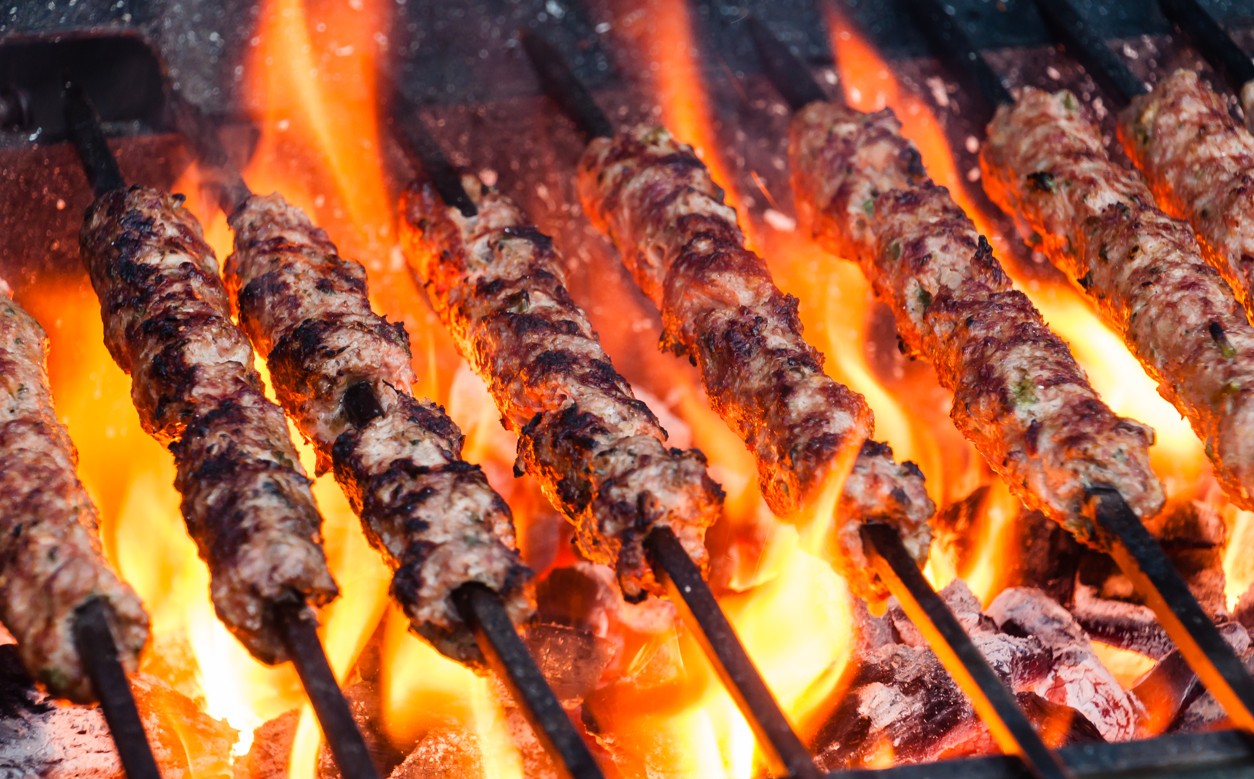
Islamabad is particularly renowned for its barbecue and grill culture. Seekh kebabs—minced lamb or beef skewered and grilled over charcoal—are among the city’s defining dishes, served with naan, chutneys, and raw onions. Chicken karahi, cooked in a heavy wok with tomatoes, ginger, garlic, and green chilies, is another staple, prized for its bold yet balanced heat.
Nihari, a slow-cooked stew of beef or lamb shank thickened with flour and spices, is traditionally eaten for breakfast and is widely available in excellent versions across the city. Chapli kebab, a spiced minced meat patty from Khyber Pakhtunkhwa, is a popular street food, recognizable by its flat, wide shape. Sajji, a Balochi specialty of whole lamb or chicken roasted over coals with minimal seasoning, reflects Pakistan’s western regional influence.
Weekend breakfasts often feature halwa puri—deep-fried bread served with semolina halwa and chickpea curry. Doodh patti chai, strong tea boiled directly in milk and sugar, is the national drink and a constant presence throughout the day.
Everyday Islamabad & Pakistani Food
Breakfast in Islamabad ranges from paratha with omelet, nihari, or halwa puri to Western-style café options. Lunch commonly includes biryani, karahi dishes, daal chawal (lentils with rice), or grilled meats. Dinner is the main social meal, often centered around shared dishes at barbecue restaurants or family-style Pakistani eateries.
Wheat is the primary staple, forming naan, roti, and paratha, while basmati rice is essential to biryanis and pulao. Lamb and chicken dominate meat dishes, while lentils and chickpeas provide protein in vegetarian cooking. Vegetables such as okra, eggplant, spinach, and bitter gourd are cooked in spiced gravies. Core spices—cumin, coriander, turmeric, garam masala, and chili—create Islamabad’s characteristic warmth rather than overwhelming heat.
The city’s relatively mild climate allows for outdoor dining much of the year, contributing to Islamabad’s relaxed café and restaurant culture.
Cultural Fusion: Punjabi Roots, Mughlai Legacy & National Diversity
Islamabad’s cuisine reflects its location in northern Punjab while drawing heavily on Mughlai court traditions that emphasize rich gravies, slow cooking, and refined spice use. Punjabi influence contributes robust flavors, dairy-rich dishes, and tandoor breads.
As the capital, Islamabad has attracted migration from every province. Pashtun grills, Balochi roasts, Sindhi rice dishes, and Kashmiri teas coexist alongside continental and Middle Eastern food. This creates a uniquely Islamabad dining experience where a single day might include chapli kebab for lunch, Punjabi karahi for dinner, and a Western-style dessert afterward. The city’s food culture is inclusive, reflecting Pakistan’s national identity in edible form.
Beverage Culture and Tea Traditions
Tea is central to daily life in Islamabad. Doodh patti, kahwa (green tea with cardamom and almonds), and black tea are consumed throughout the day in homes, cafés, and roadside dhabas. Tea drinking is a social ritual rather than a scheduled break.
Lassi—both sweet and salty—is a popular accompaniment to meals, especially in summer. Fresh juices such as sugarcane, carrot, and citrus are widely available. Coffee culture has grown rapidly, with modern cafés serving espresso drinks, Turkish coffee, and specialty brews.
Alcohol is restricted under Pakistani law for Muslims, so non-alcoholic beverages dominate. What distinguishes Islamabad is the contrast between traditional tea culture and a rapidly modernizing café scene, particularly in sectors like F-6 and F-7.
International Dining and Contemporary Scene
Islamabad offers some of Pakistan’s best international dining due to its diplomatic presence. Chinese restaurants—often serving Pakistani-Chinese fusion—are extremely popular. Middle Eastern cuisine, particularly Lebanese and Turkish, is well represented.
Continental and European restaurants cater to expatriates and affluent locals. Modern Pakistani restaurants increasingly reinterpret traditional dishes with refined presentation and contemporary interiors. Despite these options, Islamabad’s culinary heart remains firmly rooted in barbecue, karahi, and traditional Pakistani comfort food.
Food Customs and Practical Tips
Dining in Islamabad ranges from informal street food stalls to elegant restaurants, with consistently courteous service. Tipping is appreciated—around 10% is standard. Eating with the right hand is customary for traditional meals, though utensils are widely used.
When ordering barbecue, expect naan, chutneys, and raw accompaniments. Try nihari in the morning for the most authentic experience. Visit Aabpara or Melody Food Park for local street food, and hotel brunches for a broad sampling of Pakistani and international dishes.
Explore F-6 (Super Market) and F-7 (Jinnah Super) for upscale dining and cafés, Blue Area for business lunches, and neighborhood markets for authentic everyday food. Be aware that security checks are common at restaurants.
Islamabad offers excellent culinary value, combining quality ingredients with polished service. Most importantly, embrace the city’s culinary spirit: food here is about hospitality, balance, and celebrating Pakistan’s regional diversity in a modern, composed setting.
This guide covers what to eat in Islamabad, from seekh kebabs and chicken karahi to nihari, chapli kebab, and regional Pakistani specialties. Use it to plan your culinary exploration of Pakistan’s capital, where tradition and modernity meet at the table.
Check monthly weather averages for
Latest Secret Flying deals to Islamabad
London, UK to Islamabad, Pakistan for only £391 roundtrip
Cheap flights from London, UK to Islamabad, Pakistan for only £391 roundtrip.
View DealDublin, Ireland to Islamabad, Pakistan for only €384 roundtrip (Sep-Nov dates)
Cheap flights from Dublin, Ireland to Islamabad, Pakistan for only €384 roundtrip with Etihad Airways.
View DealJohannesburg, South Africa to Islamabad, Pakistan for only $416 USD roundtrip (Nov-Apr dates)
Cheap flights from Johannesburg, South Africa to Islamabad, Pakistan for only $416 USD roundtrip with Qatar Airways.
View Deal [adblockingdetector id="638efa67113bf"]