


Istanbul Food Guide
Food in Istanbul: What to Eat & Drink
Istanbul’s culinary landscape is a majestic tapestry of Ottoman imperial heritage, Anatolian traditions, and cosmopolitan innovation, making it one of the world’s greatest and most historically rich food destinations. As a city straddling two continents and once the capital of three empires, Istanbul has developed a food culture that balances the refinement of palace kitchens with the vitality of street food. Shaped by its position on the Bosphorus Strait, its Byzantine and Ottoman past, and its modern metropolitan energy, the city’s cuisine reflects its role as a bridge between Europe and Asia. The result is a dining culture that is aromatic, diverse, and deeply layered with history.
Core ingredients such as lamb, eggplant, yogurt, olive oil, and spices form the foundation of Istanbul’s cuisine. Dishes are defined by their emphasis on freshness, balance, and the meze culture that lies at the heart of Turkish dining. Istanbul’s control of the Bosphorus waterway has long influenced its food identity, providing access to Black Sea fish, Marmara produce, and ingredients arriving via historic trade routes. From centuries-old eateries in the historic peninsula to contemporary restaurants overlooking the water, the city offers a culinary journey through one of Turkey’s most dynamic kitchens.
Local Specialities of Istanbul
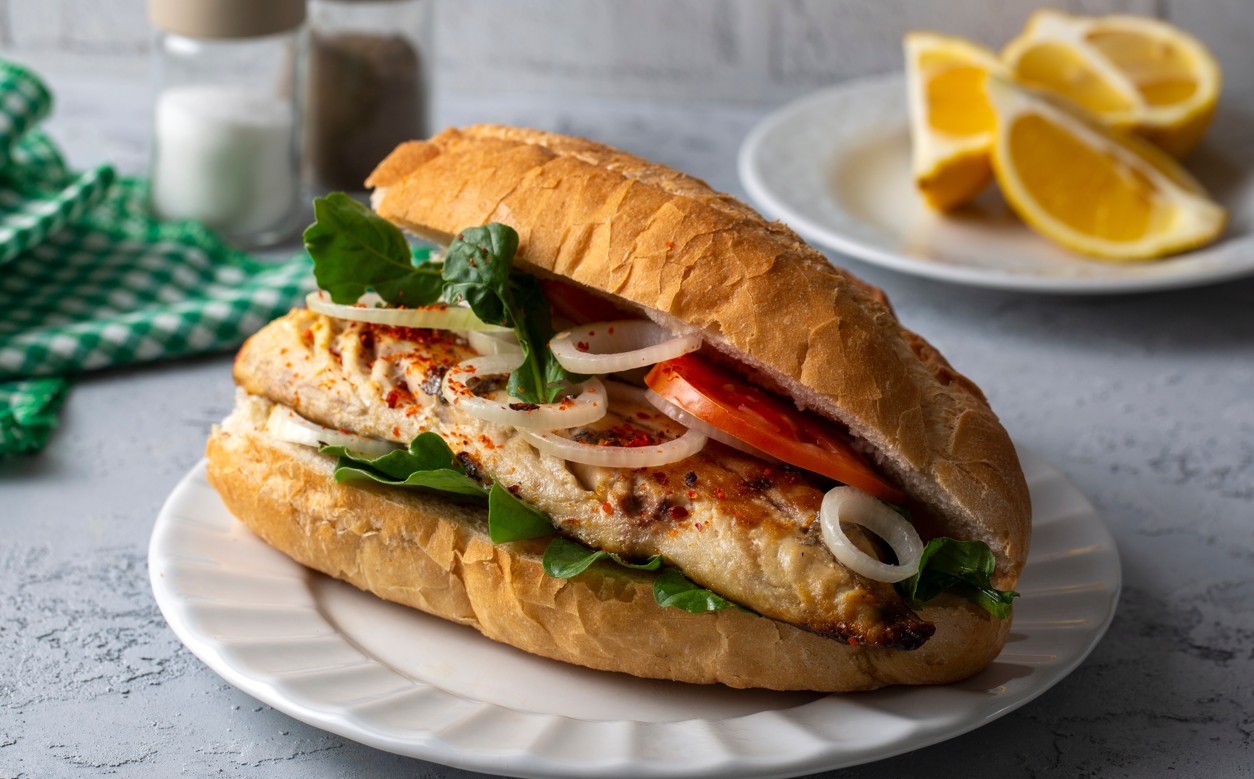
Istanbul is world-famous for balık ekmek, freshly grilled fish—usually mackerel—served in a half-loaf of bread with onions and lettuce, traditionally eaten near the Galata Bridge. Another beloved local dish is İskender kebab: thinly sliced döner meat layered over pita bread, topped with tomato sauce and hot browned butter, and served with yogurt.
Hamsi, or Black Sea anchovies, appear in countless preparations during the winter months, from simple fried dishes to anchovy pilaf. Midye dolma, mussels stuffed with spiced rice, are a popular street snack sold from carts along the waterfront. Lahmacun, often described as Turkish pizza, is a thin dough topped with minced meat, vegetables, and herbs, typically rolled with fresh greens and a squeeze of lemon. Kokoreç, made from seasoned lamb or goat intestines wrapped around skewers and grilled, is another iconic street food, chopped and served in bread. Tavuk göğsü, a milk pudding made with finely shredded chicken breast, is a unique Ottoman palace dessert still enjoyed today. Simit, the sesame-encrusted bread ring sold on nearly every corner, is Istanbul’s quintessential breakfast on the go.
Everyday Istanbul & Turkish Food
Breakfast in Istanbul is a ritual rather than a meal. It often consists of an elaborate spread of cheeses, olives, tomatoes, cucumbers, eggs, honey, kaymak, and freshly baked bread, and can last for hours. Lunch tends to be more practical, featuring kebabs, pide, or quick street foods, while dinner highlights generous meze spreads accompanied by raki and hearty meat or fish dishes.
Bread is central to daily life and is served with every meal in one form or another. Lamb is the preferred meat, appearing in kebabs, stews, and grilled dishes. Eggplant is prepared in dozens of ways, from grilling and stuffing to puréeing and frying. Yogurt plays multiple roles, appearing as a sauce, a drink in the form of ayran, or a cooling accompaniment. Fresh herbs such as parsley, dill, and mint are used generously. The city’s meyhane culture remains central to social dining, encouraging long evenings of shared plates, raki, and conversation. Thanks to Istanbul’s position between sea and strait, seafood is highly seasonal, with different fish prized at different times of the year.
Cultural Fusion: Byzantine Foundations, Ottoman Synthesis & Global Crossroads
Istanbul’s cuisine is the product of layered history, combining Byzantine foundations with Turkic Central Asian traditions, Ottoman imperial refinement, and modern global influences. Byzantine cuisine emphasized olive oil, fish, and grains, while Turkic nomads introduced meat-centric dishes, yogurt, and bread-based traditions.
Over six centuries, the Ottoman palace kitchens fused these influences with Persian, Arab, and Balkan elements, creating a sophisticated culinary system that defined imperial dining. The Republican era later introduced European techniques and tastes. Today, Istanbul offers a cuisine where Byzantine-era fish dishes, Ottoman palace desserts, and modern fusion creations coexist. This synthesis defines the city’s food culture, transforming diverse influences into something uniquely its own.
Craft Beverage Scene and Local Libations
Istanbul’s beverage culture reflects its Islamic heritage, cosmopolitan history, and modern sophistication. Çay, strong black tea served in tulip-shaped glasses, is the national drink and is consumed throughout the day, from morning until late at night.
Turkish coffee, prepared in a cezve with finely ground beans and served with the grounds settled at the bottom, is both a drink and a cultural institution. Raki, an anise-flavored spirit often called “lion’s milk” when diluted with water, traditionally accompanies meze meals. Ayran, a salty yogurt drink, is a common partner to kebabs and rich foods. What truly distinguishes Istanbul is its tea culture, with tea gardens overlooking the Bosphorus, tea served on ferries, and its constant presence in social and business settings. Alongside this tradition, a thriving third-wave coffee scene has emerged, complementing historic coffeehouses. The city’s historic wine production is also being rediscovered, with local vineyards producing increasingly refined wines.
International Dining and Contemporary Scene
While Turkish cuisine remains dominant, Istanbul also offers world-class international dining that reflects its long-standing cosmopolitan character. Restaurants serving modern interpretations of Ottoman-inspired Turkish cuisine are particularly strong, reimagining historic recipes with contemporary techniques.
Italian, French, Japanese, and Middle Eastern restaurants cater to a wide range of tastes. Despite these global influences, Istanbul’s culinary soul remains rooted in its traditional establishments, from centuries-old pudding shops to family-run kebab houses. The city’s food scene balances deep tradition with innovation, especially in the fine dining and street food sectors. What truly sets Istanbul apart is its sense of continuity, where restaurants operating since the Ottoman era still serve recipes passed down through generations in a city that has been a culinary capital for more than 1,700 years.
Food Customs and Practical Tips
Dining in Istanbul ranges from simple street food counters to some of the world’s most elegant restaurants, generally accompanied by warm and attentive service. Tipping is customary, with around 10% considered standard. Accepting offers of tea is encouraged, as it is a fundamental gesture of hospitality.
Meze are typically shared family-style, so expect a communal dining experience. For an authentic taste of the city, try balık ekmek near Eminönü and visit the historic pudding shops of Beyoğlu for traditional desserts. A traditional breakfast spread at a kahvaltı salonu is also not to be missed.
Exploring different neighborhoods enhances the experience. Sultanahmet offers historic but tourist-focused dining, Beyoğlu and Karaköy combine modern restaurants with classic meyhanes, Kadıköy on the Asian side is known for its local markets, and Beşiktaş and Ortaköy provide lively waterfront dining. Balance famous institutions with places filled with locals, and consider a food tour to navigate the city’s vast options. Meals in Istanbul are often lengthy and social, reflecting the city’s generous hospitality. From inexpensive simit to refined tasting menus, Istanbul offers extraordinary culinary range. Above all, embrace the city’s spirit of sharing, history, and celebration, where food has nourished empires for centuries.
This guide covers what to eat in Istanbul, from balık ekmek and İskender kebab to meze, lahmacun, and Ottoman desserts. Use it to plan your culinary exploration of a city where every meal tells a story of empire, culture, and everyday life.
Check monthly weather averages for
Latest Secret Flying deals to Istanbul
SUMMER: Mumbai, India to Istanbul, Turkey for only $244 USD roundtrip
Summer flights from Mumbai, India to Istanbul, Turkey for only $244 USD roundtrip.
View DealNon-stop from New York to Istanbul, Turkey for only $664 roundtrip
Non-stop flights from New York to Istanbul, Turkey for only $664 roundtrip with Turkish Airlines.
View DealNon-stop from Bucharest, Romania to Istanbul, Turkey for only €78 roundtrip
Non-stop flights from Bucharest, Romania to Istanbul, Turkey for only €78 roundtrip.
View Deal [adblockingdetector id="638efa67113bf"]