


Kigali Food Guide
Food in Kigali: What to Eat & Drink
Kigali’s culinary landscape is a vibrant expression of Rwandan agricultural tradition, East African regional influence, and a remarkable post-genocide renaissance, making it one of Africa’s most quietly compelling food destinations. As Rwanda’s capital and largest city, Kigali has developed a food culture that balances rural hillside cooking with growing cosmopolitan refinement. Shaped by its “land of a thousand hills” geography, its painful history, and its extraordinary transformation into one of Africa’s cleanest and most progressive cities, Kigali’s cuisine reflects renewal as much as tradition. The result is food that is fresh, nourishing, and grounded in a strong sense of place and purpose.
Core ingredients such as bananas, beans, sweet potatoes, plantains, and seasonal vegetables form the foundation of Kigali’s cuisine. Dishes emphasize plant-forward cooking, straightforward preparation, and the gentle layering of East African flavors that define Rwandan food. Kigali’s location in Rwanda’s fertile central highlands gives it access to some of the continent’s richest volcanic soils, resulting in exceptional produce. From modest neighborhood eateries to polished restaurants in the city center, Kigali offers a culinary journey through Rwanda’s most refined and evolving kitchen.
Local Specialities of Kigali
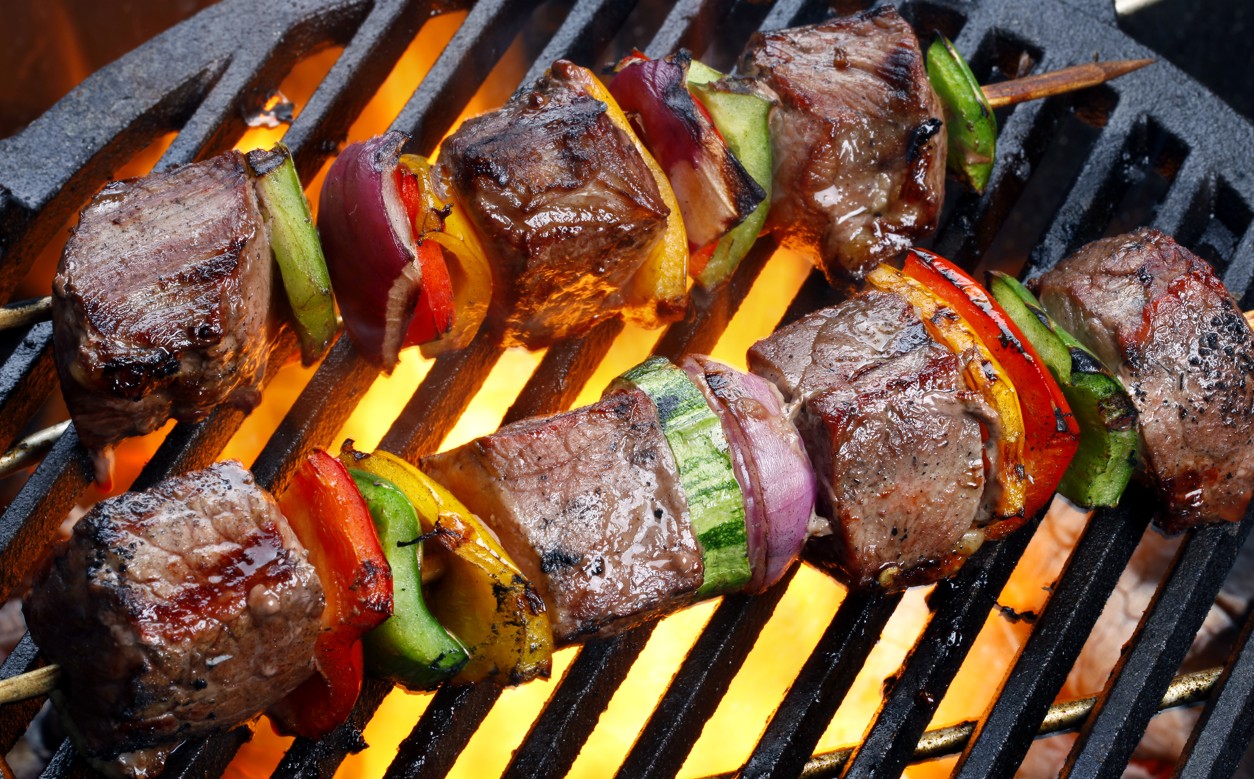
Kigali is best known for its brochettes, skewers of goat, beef, pork, or fish grilled over charcoal and typically served with fried plantains and a sharp, spicy pepper sauce. Isombe, made from mashed cassava leaves cooked with palm oil and vegetables, is one of Rwanda’s most traditional and widely eaten dishes.
Ugali, known locally as ubugali, is a firm maize porridge that anchors most meals and is eaten with stews or grilled meats. Matoke, steamed green bananas mashed into a soft consistency, is a comforting staple throughout the region. Akabenz, grilled pork served at casual neighborhood bars, is a popular street food and social dish. Sambaza, tiny fried fish from Lake Kivu, are eaten crisp and whole as snacks or starters. Ibihaza, a hearty mix of pumpkin and beans sometimes enriched with meat, reflects Rwanda’s agricultural roots. Mandazi, lightly sweet fried dough, is enjoyed at breakfast or as an afternoon snack.
Everyday Kigali & Rwandan Food
Breakfast in Kigali often includes chapati with tea, mandazi, or simple bread with margarine. Lunch typically consists of rice, beans, vegetables, and plantains, or brochettes with starchy sides. Dinner may be home-style and informal or enjoyed in more structured restaurant settings.
Beans and legumes provide essential protein and appear in most daily meals. Bananas and plantains are used in both savory and sweet dishes, while maize is eaten as ugali or porridge. Sweet potatoes, cassava, and other root vegetables are everyday staples. Fresh vegetables such as cabbage, carrots, onions, and tomatoes are widely available in markets. Goat and beef are the most common meats, with fish from Lake Kivu also playing an important role. Kigali’s growing café culture mirrors its broader development, with coffee shops serving both traditional fare and modern light meals. The city’s mild highland climate allows for year-round outdoor dining on terraces overlooking the surrounding hills.
Cultural Fusion: Bantu Foundations, Colonial Influences & Regional Exchange
Kigali’s cuisine is shaped by its indigenous Bantu roots, colonial history, and long-standing regional exchange within East Africa. Traditional Rwandan cooking developed around plant-based ingredients well suited to terraced hillside farming.
German and later Belgian colonial influence introduced new vegetables, baking traditions, and cooking techniques. Ongoing exchange with neighboring Uganda, Tanzania, and the Democratic Republic of Congo added further regional elements. This layering created a uniquely Kigali food culture where traditional isombe, European-style fries served with brochettes, and Indian-inspired snacks can coexist. Kigali’s cuisine reflects resilience and renewal, preserving tradition while adapting confidently to change.
Craft Beverage Scene and Local Libations
Kigali’s beverage culture draws from its agricultural wealth, colonial legacy, and rapidly developing modern scene. Urwagwa, a traditional fermented banana beer, is consumed during ceremonies and communal gatherings and remains culturally significant.
Rwandan coffee, grown in volcanic soils and cool highland conditions, is among Africa’s finest and increasingly recognized worldwide. Milk is consumed fresh or fermented, while fresh fruit juices made from passion fruit, pineapple, and tree tomatoes are widely available. Local beers such as Primus, Mützig, and Skol are popular social drinks. What distinguishes Kigali is its coffee culture, as the city sits at the center of Rwanda’s specialty coffee movement, with cafés serving carefully brewed local beans. Traditional banana beer is also being reimagined in modern settings, blending heritage with innovation.
International Dining and Contemporary Scene
While Rwandan cuisine anchors Kigali’s culinary identity, the city offers a growing international dining scene shaped by diplomacy, development, and tourism. Indian and Chinese restaurants are well established and widely enjoyed.
Lebanese and other Middle Eastern cuisines have strong followings, while European restaurants, particularly those influenced by Belgian and French traditions, reflect historical ties. Contemporary Rwandan restaurants are increasingly reinterpreting traditional dishes with modern presentation, especially in hotels and upscale neighborhoods. Despite these global influences, Kigali’s dining soul remains rooted in its brochette stands and traditional eateries, where local food remains central to everyday life. The city’s food scene balances restraint with creativity, guided by an emphasis on quality, cleanliness, and consistency.
Food Customs and Practical Tips
Dining in Kigali ranges from street stalls to refined restaurants, generally accompanied by polite and understated service. Tipping is appreciated but not expected, with rounding up or leaving 5–10% considered generous. Some traditional dishes are eaten by hand, though utensils are widely provided.
Brochettes are often served with very spicy pepper sauce, which is best used sparingly at first. Sampling banana beer at a local bar offers insight into traditional social culture. Kimironko Market is an excellent place to experience local produce and food stalls. On Saturday mornings, the city pauses for Umuganda, a nationwide community service initiative, and remains unusually quiet until midday.
Exploring different neighborhoods enhances the culinary experience. Kiyovu and Nyarutarama offer more upscale dining, Kimihurura is known for modern cafés and restaurants, and local residential areas provide the most authentic Rwandan meals. Balancing recommended restaurants with places frequented by locals offers the clearest picture of Kigali’s food culture. Visitors should be aware of the city’s strict cleanliness standards, including the ban on plastic bags. Kigali delivers strong culinary value, particularly in local establishments. Above all, embrace Kigali’s culinary spirit, where food reflects community, freshness, and the quiet optimism of a city that has transformed hardship into progress.
This guide covers what to eat in Kigali, from brochettes and isombe to ugali, matoke, and Rwandan staples. Use it to plan your culinary exploration of Rwanda’s capital, where every meal reflects agricultural abundance and a forward-looking national spirit.
Check monthly weather averages for
Latest Secret Flying deals to Kigali
XMAS: Non-stop from Paris, France to Kigali, Rwanda for only €481 roundtrip
Non-stop, Christmas flights from Paris, France to Kigali, Rwanda for only €481 roundtrip.
View DealVienna, Austria to Kigali, Rwanda for only €467 roundtrip
Cheap flights from Vienna, Austria to Kigali, Rwanda for only €467 roundtrip.
View DealFrench cities to Kigali, Rwanda from only €469 roundtrip
Cheap flights from French cities to Kigali, Rwanda from only €469 roundtrip with Brussels Airlines.
View Deal [adblockingdetector id="638efa67113bf"]