


Kuala Lumpur Food Guide
Food in Kuala Lumpur: What to Eat & Drink
Kuala Lumpur’s culinary landscape is a dynamic fusion of Malay, Chinese, and Indian traditions layered with modern global influences, making it one of Southeast Asia’s most diverse and exciting food capitals. As Malaysia’s bustling capital and cultural melting pot, Kuala Lumpur has developed a food culture that balances deeply rooted culinary traditions with cosmopolitan innovation. Shaped by its tin-mining origins, colonial past, and rise as a modern Asian metropolis, the city’s cuisine reflects its role as a meeting point of Malaysia’s three major communities, its tropical climate, and its relentless urban energy. The result is food that is aromatic, boldly spiced, and endlessly varied.
Core ingredients such as rice, coconut, chili, spices, and fresh herbs form the backbone of Kuala Lumpur’s cuisine. Dishes are defined by complex spice pastes (rempah), coconut milk richness, and a street food culture that lies at the heart of everyday life. Located in the Klang Valley with access to both coastal and inland produce, Kuala Lumpur brings together Peninsular Malaysia’s agricultural bounty and global imports in a true culinary crossroads. From lively night markets in residential neighborhoods to refined restaurants in the Golden Triangle, the city offers a fast-paced and deeply rewarding culinary journey.
Local Specialities of Kuala Lumpur
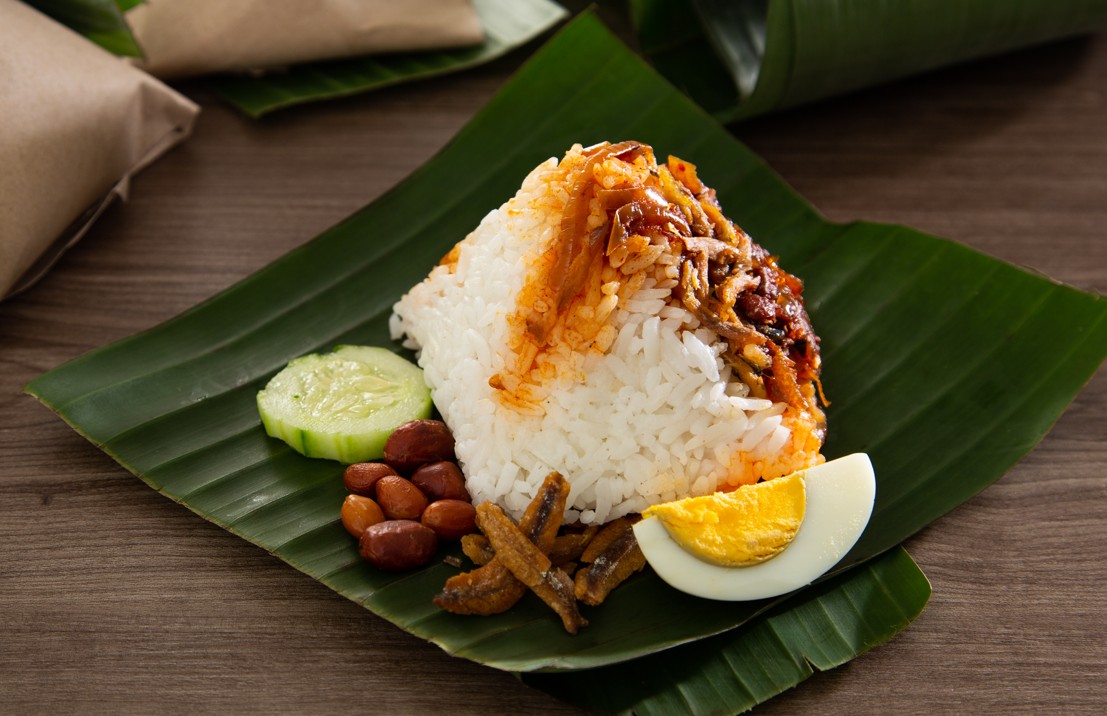
Kuala Lumpur is synonymous with nasi lemak, coconut rice served with sambal, fried anchovies, peanuts, boiled egg, and cucumber, widely regarded as Malaysia’s national dish. Char kway teow, a smoky stir-fry of flat rice noodles with prawns, cockles, Chinese sausage, and bean sprouts, is a beloved Chinese-Malaysian street food staple.
Roti canai, a flaky Indian-influenced flatbread served with dhal or curry, is Malaysia’s favorite breakfast. Satay, skewered and grilled meat served with peanut sauce and rice cakes, is a Malay classic. Hainanese chicken rice reflects Chinese immigrant heritage with poached chicken and fragrant rice. Laksa, particularly coconut-rich curry laksa and tangy asam laksa, highlights Malaysia’s mastery of noodle soups. Cendol, shaved ice topped with coconut milk, palm sugar syrup, and green rice flour jelly, is the quintessential tropical dessert. Teh tarik, the iconic “pulled tea,” completes the lineup as Malaysia’s most recognizable drink.
Everyday Kuala Lumpur & Malaysian Food
Breakfast in Kuala Lumpur may include nasi lemak from a street stall, roti canai with teh tarik at a mamak restaurant, or dim sum at a Chinese eatery. Lunch often consists of rice plates with multiple dishes, noodle soups, or quick meals at hawker centers. Dinner ranges from late-night street food crawls to refined restaurant dining.
Rice is the essential staple, appearing in countless forms throughout the day. Coconut is used as milk, oil, and grated flesh, while chilies and spices provide signature heat and complexity. Fresh herbs such as lemongrass, kaffir lime leaves, galangal, turmeric, and ginger form the aromatic base of many dishes. Hawker centers and food courts are central to daily life, offering affordable meals from multiple ethnic traditions under one roof. The tropical climate influences eating habits, pairing spicy foods with cooling drinks and desserts.
Cultural Fusion: Malay Foundations, Chinese & Indian Contributions & Global Influences
Kuala Lumpur’s cuisine is a layered expression of its indigenous Malay roots, Chinese immigrant traditions, Indian laborer influences, and colonial and modern global connections. Malay cooking emphasizes rice, coconut, and intricate spice blends, while Chinese cuisine contributes noodles, stir-frying techniques, and soy-based flavors.
Indian communities introduced flatbreads, spiced curries, and tea culture, while British colonial rule added baking traditions and Western ingredients. Together, these influences create a city where it is entirely normal to eat nasi lemak for breakfast, char kway teow for lunch, banana leaf rice for dinner, and afternoon tea in between. Kuala Lumpur’s food culture embodies Malaysia’s principle of unity in diversity, with distinct culinary identities coexisting in a shared and vibrant food ecosystem.
Craft Beverage Scene and Local Libations
Kuala Lumpur’s beverage culture reflects its tropical environment, colonial heritage, and multicultural population. Teh tarik is the national favorite, a strong, sweet milk tea aerated by dramatic pouring between cups.
Kopi, typically thick, sweet, and served with condensed milk, is another daily staple. Fresh fruit juices and smoothies made from local fruits such as durian, mangosteen, and rambutan are widely available. While Malaysia is predominantly Muslim and alcohol consumption is limited, Kuala Lumpur offers a lively bar scene for non-Muslims and visitors, with local beers such as Tiger and Carlsberg commonly found. Kopitiams, traditional coffee shops serving simple meals and drinks, remain cultural institutions, while a growing third-wave café scene caters to younger urbanites.
International Dining and Contemporary Scene
Although Malaysian cuisine defines the city’s identity, Kuala Lumpur offers outstanding international dining that reflects its global outlook. Japanese restaurants are particularly strong, and Korean barbecue has become extremely popular.
Western restaurants, especially Italian and American, cater to expatriates and affluent locals. At the same time, modern Malaysian chefs are reinterpreting traditional dishes with contemporary techniques and presentation. Despite this diversity, the soul of Kuala Lumpur’s dining scene remains firmly rooted in street food and hawker culture, with even luxury malls featuring authentic local food courts. The city’s culinary landscape balances deep tradition with innovation, offering unmatched variety across all price points.
Food Customs and Practical Tips
Dining in Kuala Lumpur ranges from plastic-stool street stalls to some of Asia’s most luxurious restaurants. Tipping is not expected but appreciated, with rounding up or leaving small change being common. Eating with the right hand is traditional for certain Malay and Indian dishes, though forks and spoons are widely used.
At hawker centers, stalls with long queues are usually a good sign. Try nasi lemak from a street vendor for breakfast and visit Jalan Alor at night for a concentrated street food experience. Mamak restaurants are ideal for late-night meals, especially roti canai and teh tarik.
Explore different neighborhoods to understand the city’s culinary diversity: Bukit Bintang for nightlife and international dining, Chinatown for Chinese-Malaysian food, Brickfields for Indian cuisine, Kampung Baru for traditional Malay dishes, and shopping malls for air-conditioned food courts. Food tours can help navigate the overwhelming choices and language barriers. Be prepared for the city’s humidity and drink plenty of fluids. Kuala Lumpur offers exceptional value, from inexpensive street food to world-class fine dining. Above all, embrace the city’s culinary spirit, where food is about community, bold flavors, and celebrating Malaysia’s extraordinary diversity around the clock.
This guide covers what to eat in Kuala Lumpur, from nasi lemak and char kway teow to roti canai, satay, and Malaysian classics. Use it to plan your culinary exploration of Malaysia’s capital, where every meal is a reflection of cultural harmony and shared appetite.
Check monthly weather averages for
Latest Secret Flying deals to Kuala Lumpur

Madrid, Spain to Kuala Lumpur, Malaysia for only €395 roundtrip
Cheap flights from Madrid, Spain to Kuala Lumpur, Malaysia for only €395 roundtrip with Hainan Airlines.
View Deal [adblockingdetector id="638efa67113bf"]