


Kuwait City Food Guide
Food in Kuwait City: What to Eat & Drink
Kuwait City’s culinary landscape is a refined fusion of Bedouin desert traditions, Persian Gulf maritime bounty, and modern cosmopolitan influences, making it one of the Arabian Gulf’s most diverse and evolving food destinations. As Kuwait’s capital and economic heart, the city has developed a food culture that balances ancient Arabian foundations with international sophistication, shaped by its pearl-diving past, oil-driven transformation, and role as a regional commercial hub. Kuwait City’s cuisine reflects its journey from fishing and trading port to affluent global metropolis, producing dishes that are aromatic, generous, and infused with both tradition and luxury.
Core ingredients such as rice, lamb, fish, dates, and aromatic spices form the backbone of Kuwaiti cuisine. Meals emphasize communal dining, carefully layered spice blends, and coastal influences that distinguish Kuwaiti food from that of neighboring Gulf states. Situated on the southern shore of Kuwait Bay, the city’s culinary identity blends desert sustenance with maritime abundance. From traditional diwaniyas in residential neighborhoods to upscale restaurants along Arabian Gulf Street, Kuwait City offers a culinary journey through one of the region’s most polished and varied kitchens.
Local Specialities of Kuwait City
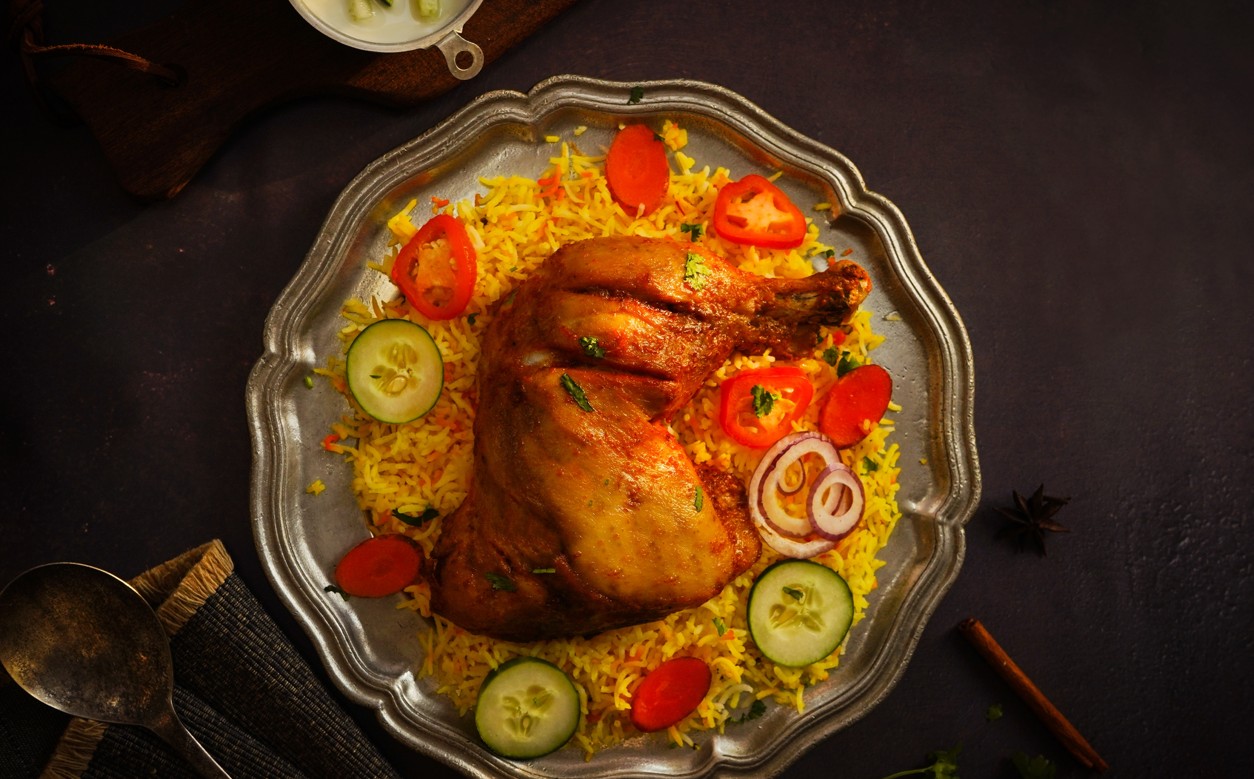
Kuwait City is best known for machboos, the national dish of spiced rice served with chicken, lamb, or fish. While similar to biryani, machboos is defined by its distinctive Kuwaiti spice profile, particularly the use of loomi (dried lime). Murabyan, shrimp cooked with rice and spices, is a beloved coastal specialty that reflects Kuwait’s maritime heritage.
Gabout, stuffed dumplings simmered in a rich stew, is a classic comfort dish. Margoog, a hearty stew of vegetables and meat with thin dough strips, is a traditional one-pot meal. Harees, made from cracked wheat and meat cooked until creamy, is commonly eaten during Ramadan. Jireesh, another wheat-based dish cooked with chicken or lamb and tomatoes, is a staple of home cooking. Mutabbaq samak, spiced fish served over rice, highlights the Gulf’s seafood traditions. For dessert, luqaimat—golden fried dough balls drizzled with date syrup or honey—are Kuwait’s most iconic sweet.
Everyday Kuwait City & Kuwaiti Food
Breakfast in Kuwait City may include balaleet (sweet vermicelli topped with eggs), eggs with tomatoes, or a traditional Arabic spread of labneh, olives, cheese, and bread. Lunch is often the main meal of the day, typically centered on machboos or other rice-based dishes. Dinner ranges from casual mezze and grilled meats to elaborate traditional meals shared with family and friends.
Rice is the primary staple, particularly long-grain basmati. Lamb and chicken dominate, while fish and seafood play an important role thanks to the city’s coastal location. Dates are present at nearly every meal, fresh or dried. Yogurt and labneh accompany many dishes, and Arabic flatbread is served throughout the day. Signature spices—cardamom, saffron, cinnamon, cloves, and black lime—define the Kuwaiti flavor profile. Café culture is central to social life, with gatherings often centered on Arabic coffee and dates. The desert climate encourages hearty meals balanced by cooling accompaniments such as yogurt and fresh herbs.
Cultural Fusion: Bedouin Foundations, Coastal Trade & Global Exchange
Kuwait City’s cuisine is a historical tapestry woven from Bedouin desert traditions, Persian Gulf coastal practices, Indian Ocean trade routes, and modern global influence. Bedouin life emphasized dates, dairy, and meat adapted to desert survival, while fishing and pearling shaped the city’s seafood traditions.
Trade with India, Persia, and East Africa introduced spices, rice dishes, and new cooking techniques. The discovery of oil and subsequent economic boom brought unprecedented wealth and international exposure. The result is a uniquely Kuwaiti cuisine where Bedouin-inspired dishes, Indian-influenced rice preparations, and global culinary styles coexist seamlessly. Kuwait City’s food culture is defined by hospitality—generous portions, communal sharing, and a deep-rooted tradition of welcoming guests.
Craft Beverage Scene and Local Libations
Kuwait City’s beverage culture reflects its Islamic values, desert environment, and thriving modern café scene. Arabic coffee (gahwa) is the national drink—lightly roasted, cardamom-infused coffee served in small handle-less cups and continuously refilled as a sign of hospitality.
Tea (shai), often strong and sweet and sometimes infused with mint, is equally popular. Laban and yogurt-based drinks provide cooling refreshment, while fresh juices—especially date-based blends—are widely available. Alcohol is strictly prohibited in Kuwait, but the non-alcoholic beverage scene is highly developed, with creative mocktails, specialty coffees, and artisanal juices. What distinguishes Kuwait City is its gahwa ritual, where coffee service symbolizes generosity and respect. Alongside this tradition, a flourishing café culture has emerged, with both international brands and local concepts serving as key social spaces.
International Dining and Contemporary Scene
While Kuwaiti and Middle Eastern cuisine anchor the local identity, Kuwait City offers an impressive international dining scene reflecting its affluent and diverse population. Lebanese restaurants are particularly prominent, offering refined Levantine cuisine.
Indian, Pakistani, and Filipino eateries cater to large expatriate communities, while American fast-food and casual dining chains are widespread. European restaurants, especially Italian and French, appeal to varied tastes. Modern Kuwaiti chefs are increasingly reinterpreting traditional dishes with contemporary presentation and techniques. Despite global influences, the city’s dining soul remains rooted in authentic Kuwaiti food—even luxury hotels often feature dedicated Kuwaiti restaurants. The culinary scene balances heritage with innovation, especially in rice and seafood dishes. What sets Kuwait City apart is its consistency in quality and service, where Gulf traditions meet international standards.
Food Customs and Practical Tips
Dining in Kuwait City ranges from traditional floor-seating venues to elegant international restaurants, with service that is generally warm and gracious. Tipping is appreciated but not obligatory; around 10% is considered generous. When eating without utensils, always use your right hand.
Machboos is typically served family-style on large shared platters. For a true coastal experience, try murabyan at a seafood restaurant. Visit Souk Al-Mubarakiya for traditional eateries and atmosphere, and don’t miss Ramadan evenings, when special dishes and hospitality rituals are at their peak.
Explore different areas: Arabian Gulf Street for upscale dining with sea views, Salmiya for diverse restaurants and cafés, Souk Al-Mubarakiya for heritage food experiences, and residential neighborhoods for local favorites. Try both well-known institutions and places frequented by locals. A guided food walk through Souk Al-Mubarakiya offers valuable insight into traditional Kuwaiti cuisine. Be mindful of local dining hours—lunch is often late (2–4 PM) and dinner commonly begins after 9 PM. Kuwait City delivers exceptional culinary quality, though prices can be high in upscale areas. Above all, embrace the city’s culinary spirit, where generosity, hospitality, and shared meals reflect the harmony between Bedouin heritage and modern prosperity.
This guide covers what to eat in Kuwait City, from machboos and murabyan to gabout, margoog, and classic Kuwaiti specialties. Use it to plan your culinary exploration of Kuwait’s capital, where every meal celebrates Arabian hospitality and Persian Gulf abundance.
Check monthly weather averages for
Latest Secret Flying deals to Kuwait City
Stockholm, Sweden to Kuwait City, Kuwait for only €202 roundtrip
Cheap flights from Stockholm, Sweden to Kuwait City, Kuwait for only €202 roundtrip.
View DealNon-stop from London, UK to Kuwait City, Kuwait for only £273 roundtrip
Non-stop flights from London, UK to Kuwait City, Kuwait for only £273 roundtrip.
View DealNon-stop from Budapest, Hungary to Kuwait City, Kuwait for only €283 roundtrip
Non-stop flights from Budapest, Hungary to Kuwait City, Kuwait for only €283 roundtrip.
View Deal [adblockingdetector id="638efa67113bf"]