


Los Angeles Food Guide
Food in Los Angeles: What to Eat & Drink
Los Angeles’s culinary landscape is a vast, sun-soaked celebration of global migration, California freshness, and constant reinvention, making it one of the world’s most influential and trend-setting food capitals. As the second-largest city in the United States and the cultural heart of the Pacific Rim, Los Angeles has developed a distinctive food identity that balances health-driven innovation with unapologetic indulgence, shaped by its car-centric sprawl, entertainment-industry wealth, and unmatched ethnic diversity. The city’s cuisine reflects its evolution from Spanish mission settlement to oil boomtown, its role as a gateway to Asia and Latin America, its Hollywood myth-making power, and its modern status as a culinary laboratory where global food trends are born.
Fresh produce, avocados, citrus, seafood, Mexican staples, and Asian flavors form the backbone of Los Angeles dining, with an emphasis on ingredient quality, fusion creativity, and the entrepreneurial food-truck and pop-up culture that defines the city’s culinary energy. Positioned between ocean, mountains, and fertile farmland, Los Angeles enjoys year-round growing seasons and unparalleled access to both local agriculture and global imports. From taco trucks in East LA to Michelin-starred restaurants in Beverly Hills and Santa Monica, Los Angeles offers one of the most ambitious—and geographically expansive—food scenes on the planet.
Local Specialities of Los Angeles
Los Angeles is internationally famous for its Korean BBQ, particularly in Koreatown, where marinated meats are grilled tableside and served with an array of banchan. The French dip sandwich, invented in downtown LA at Philippe The Original and Cole’s, remains a defining local classic—roast beef on French bread dipped in savory jus.
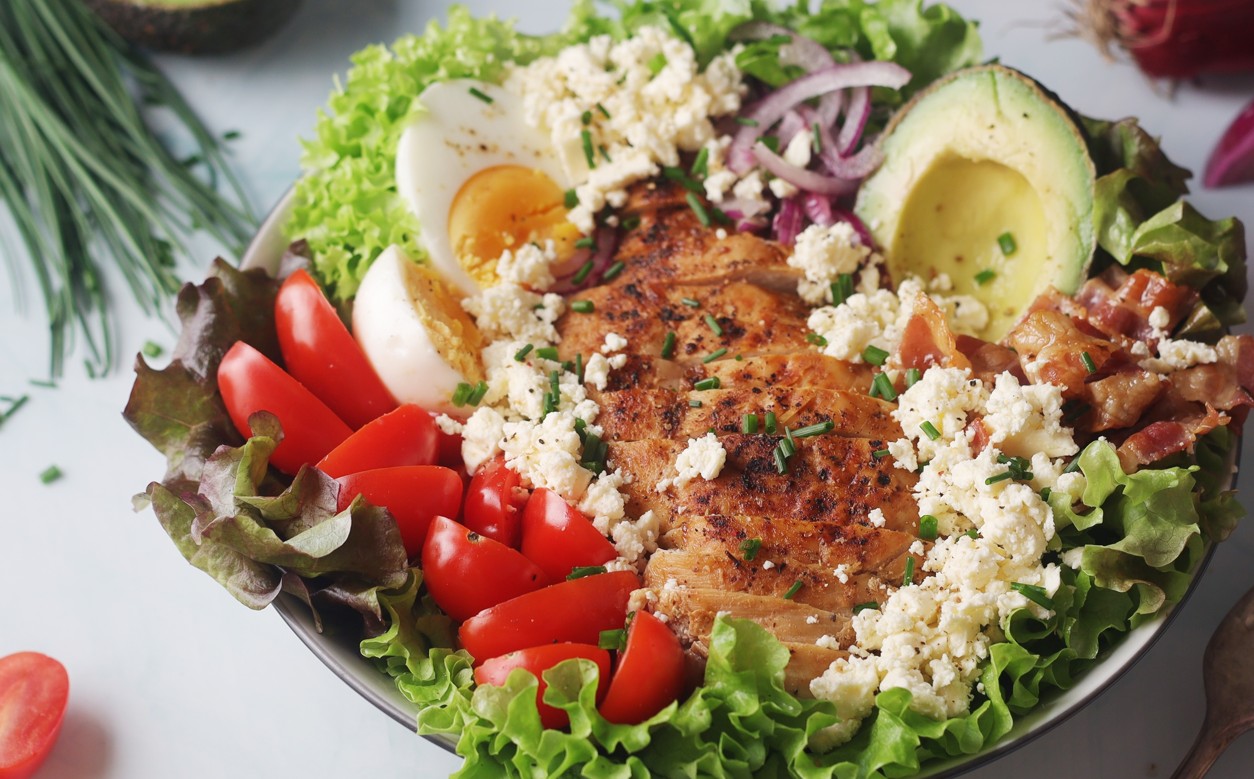
The Cobb salad, created at the Hollywood Brown Derby, represents early Hollywood dining glamour. Street tacos—especially al pastor and carne asada—are foundational to LA food culture, sold from thousands of taco trucks and sidewalk stands citywide. Pastrami sandwiches at legendary delis like Langer’s are among the best in the United States. The California roll, invented in Los Angeles, helped popularize sushi nationwide. Avocado toast, refined and exported globally from LA cafés, symbolizes the city’s influence on modern dining trends. Visually striking, social-media-driven creations reflect LA’s uniquely image-conscious food culture.
Everyday Los Angeles & California Food
Breakfast in Los Angeles often includes acai bowls, breakfast burritos, smoothies, or specialty coffee and toast at neighborhood cafés. Lunch favors salads, grain bowls, sandwiches, and fast, high-quality ethnic food. Dinner spans the entire spectrum—from casual strip-mall gems to chef-driven tasting menus—often followed by dessert or drinks at late-night hotspots.
Avocados and citrus appear everywhere, from salads to cocktails. Seafood—often sustainably sourced—is prominent, especially along the coast. Mexican ingredients such as tortillas, beans, and fresh salsas anchor everyday meals, while Korean, Chinese, Japanese, Thai, Vietnamese, and Filipino flavors are deeply embedded in daily eating. Juice bars, smoothie shops, and wellness cafés reflect the city’s health-focused ethos. Thanks to LA’s Mediterranean climate, al fresco dining on patios, rooftops, and courtyards is a year-round norm.
Cultural Fusion: Mexican Foundations, Asian Immigration & California Innovation
Los Angeles cuisine is a direct result of layered migration and cultural exchange. Mexican and Spanish foodways formed the city’s earliest culinary foundation. Japanese, Chinese, and Filipino communities established deep roots in the late 19th and early 20th centuries.
Post-1965 immigration brought large Korean, Thai, and Vietnamese communities that permanently reshaped the food landscape. This creates a uniquely Los Angeles experience where Mexican street tacos, Korean BBQ, Japanese sushi, Southeast Asian noodles, and modern California fusion coexist seamlessly—often within the same neighborhood. LA’s food culture embodies true culinary pluralism: communities preserving tradition while continuously influencing one another.
Craft Beverage Scene and Local Libations
Los Angeles’s beverage culture reflects its wellness focus, craft movement, and nightlife sophistication. Cold-pressed juices, wellness shots, and smoothie blends are ubiquitous.
The city’s craft cocktail scene is world-class, with speakeasies, rooftop bars, and hotel lounges driving innovation. Natural wine has become a defining movement, particularly on the Eastside and in downtown. Craft beer thrives at local breweries such as Angel City and Highland Park Brewery. Coffee culture is exceptionally strong, with third-wave roasters and café-driven experimentation throughout the city. What distinguishes Los Angeles is the coexistence of wellness culture and indulgence—green juices by day, elaborate cocktails by night.
International Dining and Contemporary Scene
While California cuisine provides the framework, Los Angeles arguably offers the strongest international dining scene in the United States. Mexican food is exceptional at every level, from street tacos to refined regional restaurants.
Korean dining in Koreatown is unmatched outside Korea. Chinese cuisine in the San Gabriel Valley is among the best in North America. Japanese, Thai, Vietnamese, Filipino, Ethiopian, Persian, and Middle Eastern cuisines are deeply authentic and widely accessible. Modern California restaurants reinterpret global dishes using local ingredients and progressive techniques. Despite fine-dining success, LA’s culinary soul remains rooted in its ethnic neighborhoods and unassuming strip-mall restaurants. What sets Los Angeles apart is authenticity at scale—world-class food served without pretense.
Food Customs and Practical Tips
Dining in Los Angeles ranges from counter-service cafés to some of America’s most exclusive restaurants. Service is generally efficient and informal. Tipping is expected, with 20% standard. Reservations are essential for popular restaurants and often required weeks in advance.
Food trucks and street vendors may prefer cash, though cards are increasingly accepted. Shared plates and family-style dining are common. For the most authentic experiences, focus on ethnic enclaves such as Koreatown, Thai Town, Little Ethiopia, and the San Gabriel Valley. Traffic is a defining factor—plan meals by neighborhood rather than cuisine.
Explore different areas: Downtown LA for trend-driven dining, Koreatown for Korean BBQ and nightlife, the Westside for health-focused and upscale restaurants, East LA for Mexican food, the San Gabriel Valley for Chinese cuisine, and the Valley for classic delis and hidden gems. Consider food tours focused on specific neighborhoods. Above all, embrace Los Angeles’s culinary spirit: food here is about diversity, creativity, and constant reinvention in a city where global cultures meet and new ideas take shape daily.
This guide covers what to eat in Los Angeles, from Korean BBQ and street tacos to French dip sandwiches, pastrami, and global cuisines. Use it to plan your culinary exploration of America’s entertainment capital, where every meal reflects immigration, innovation, and the city’s endless appetite for reinvention.
Check monthly weather averages for
Latest Secret Flying deals to Los Angeles
Non-stop from Los Angeles to Austin, Texas (& vice versa) for only $147 roundtrip
Non-stop flights from Los Angeles to Austin, Texas for only $147 roundtrip. Also works in reverse.
View DealLos Angeles to Charleston, South Carolina (& vice versa) for only $203 roundtrip
Cheap flights from Los Angeles to Charleston, South Carolina for only $203 roundtrip with American Airlines. Also works in reverse.
View DealNon-stop from Seattle to Los Angeles (& vice versa) for only $114 roundtrip
Non-stop flights from Seattle to Los Angeles for only $114 roundtrip with Alaska Airlines. Also works in reverse.
View Deal [adblockingdetector id="638efa67113bf"]