


Madagascar Food Guide
Food in Madagascar: What to Eat & Drink
Madagascar’s culinary landscape is a rare and deeply rooted fusion of Southeast Asian foundations, African influences, and French colonial refinements, creating one of the world’s most distinctive and biologically connected food cultures. As the world’s fourth-largest island and one of Earth’s great biodiversity hotspots, Madagascar developed a cuisine shaped by isolation, adaptation, and an intimate relationship with land and sea. Unlike most African countries, Malagasy food is fundamentally rice-based, reflecting its Austronesian origins rather than continental African traditions.
The island’s cuisine reflects centuries of migration and exchange: early Southeast Asian settlers introduced wet-rice cultivation, African traders contributed cassava and cooking methods, Arab merchants brought spices, and French colonisation added bread, coffee, and European techniques. The result is a cuisine that is simple yet deeply expressive—focused on staple foods, seasonal ingredients, and preparations that highlight natural flavors rather than overwhelm them. From roadside gargottes in Antananarivo to seafood grills along the coast of Nosy Be, Madagascar offers a culinary journey unlike anywhere else in the Indian Ocean.
Local Specialities of Madagascar
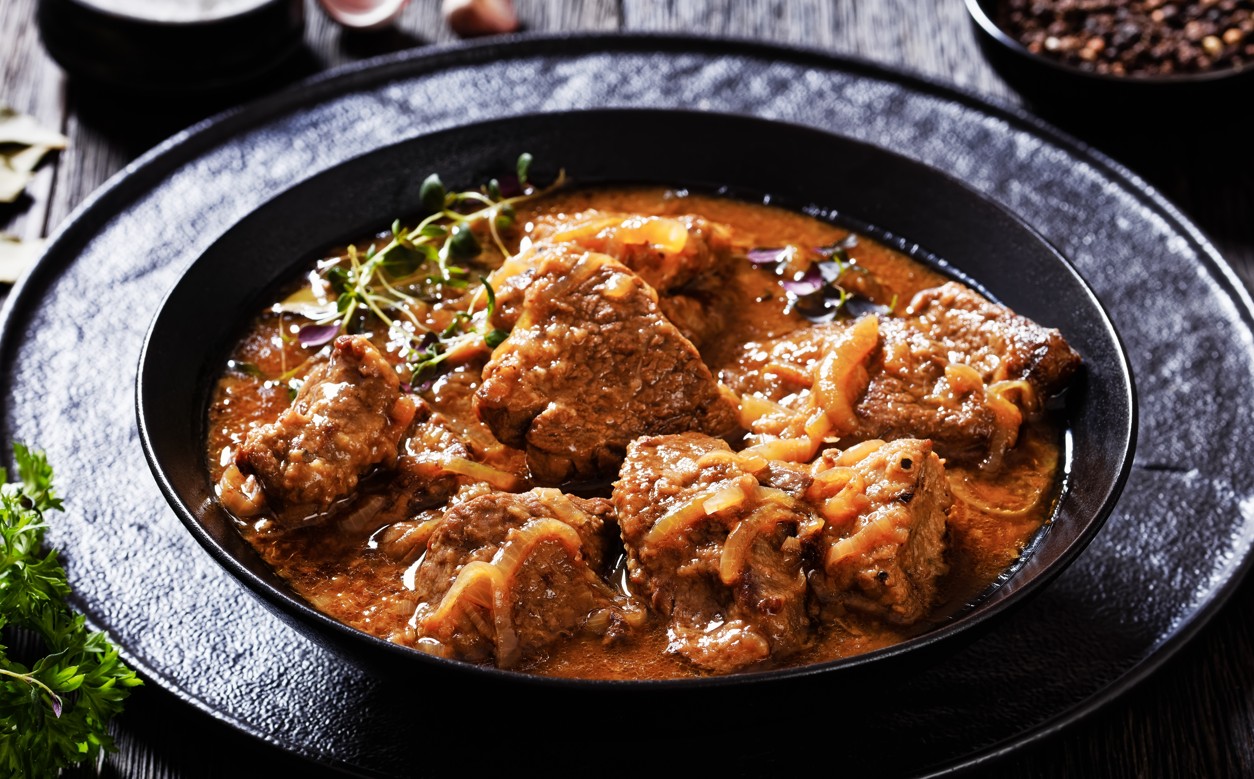
Madagascar is best known for romazava, the national dish—a light yet deeply comforting stew of zebu beef and mixed leafy greens simmered in broth. Served with rice, it represents everyday Malagasy home cooking and the island’s emphasis on simplicity and nourishment.
Ravitoto, made from pounded cassava leaves cooked slowly with pork or zebu fat, is one of the most beloved traditional dishes, particularly in the highlands. Varanga, crispy fried strips of zebu meat, is a popular snack and accompaniment to rice. Akoho sy voanio (chicken cooked in coconut milk) highlights coastal influences and the island’s abundant coconuts.
Condiments such as lasary—a fresh or spicy mix of tomatoes, onions, citrus, and chili—accompany most meals. Sweet specialties include koba, a dense steamed cake made from peanuts, rice flour, and banana wrapped in banana leaves, and mofo gasy, lightly sweet rice cakes commonly eaten for breakfast. Madagascar’s world-famous vanilla appears not only in desserts but occasionally in savoury dishes, reflecting its deep integration into local agriculture.
Everyday Malagasy Food
Daily meals in Madagascar revolve around rice. Breakfast may include mofo gasy with coffee or bread. Lunch is the main meal and always features a generous serving of rice accompanied by one or more side dishes known as laoka. Dinner closely mirrors lunch, often with simpler or leftover preparations.
Rice is consumed at nearly every meal, usually plain white rice that acts as the foundation of the plate. Zebu—Malagasy humped cattle—provides most red meat and appears grilled, stewed, dried, or fried. Along the coast, seafood such as fish, shrimp, crab, and lobster is abundant and often simply prepared. Cassava is used both as a root vegetable and as leaves (ravitoto). Coconut, leafy greens, and mild aromatics dominate the flavor profile.
The gargotte culture—simple roadside eateries serving affordable rice plates—is central to daily life and offers the most authentic experience of Malagasy food. Madagascar’s tropical climate and varied geography create regional differences, with seafood dominating the coast and heartier meat and leafy-green dishes common in the highlands.
Cultural Foundations: Austronesian Roots, African Exchange & French Influence
Madagascar’s cuisine is one of the clearest surviving examples of Austronesian food culture outside Southeast Asia. Early settlers from present-day Indonesia and Borneo introduced wet-rice farming, rice-based meals, and communal eating traditions.
African migration and trade added cassava, cattle, and cooking techniques, while Arab traders introduced spices and commercial networks. French colonisation (1896–1960) brought bread, coffee, certain vegetables, and European dining customs. Unlike many former colonies, Madagascar absorbed these influences without losing its core identity. Malagasy cuisine remains rice-centered, restrained, and deeply tied to land and season—an adaptation refined over centuries of isolation.
Craft Beverage Scene and Local Libations
Madagascar’s beverage culture reflects its agricultural base, tropical climate, and French heritage. Ranovola—water made by boiling lightly toasted rice—is the traditional everyday drink and accompanies most meals.
Malagasy coffee, particularly from the eastern highlands, is strong and aromatic. THB (Three Horses Beer) is the national beer and widely consumed. Rum is popular, especially rhum arrangé, infused with local fruits, spices, vanilla, or lychee. Fresh fruit juices made from mango, pineapple, lychee, and guava are widely available and refreshing in the heat.
What distinguishes Madagascar is the persistence of ranovola as a daily beverage and the use of local vanilla and fruit infusions in rum—simple drinks rooted in local agriculture rather than commercial trends.
International Dining and Contemporary Scene
While Malagasy cuisine dominates, international dining exists primarily in urban centres and tourist areas. French restaurants, particularly in Antananarivo, serve classic bistro dishes and pastries. Chinese restaurants reflect the long-standing Chinese-Malagasy community.
Italian and other European restaurants appear in resort areas such as Nosy Be. Despite these options, Madagascar’s dining soul remains firmly local—even upscale hotels often feature Malagasy dishes. The food scene balances traditional home-style cooking with gentle tourist adaptation rather than reinvention. What distinguishes Malagasy dining is its authenticity—meals are designed to sustain, not impress, and flavors remain honest and unembellished.
Food Customs and Practical Tips
Dining in Madagascar ranges from street stalls to refined restaurants, with service generally warm but unhurried. Tipping is not expected but appreciated in tourist areas. In some traditional contexts, eating with the right hand is customary, though utensils are widely used.
Rice is always served first and in large quantity—side dishes are meant to complement it. Try romazava for the most authentic national dish experience. Visit local markets to understand daily Malagasy food culture and ingredients. Vanilla is worth trying in savoury contexts—it reflects Madagascar’s unique culinary confidence.
Explore Antananarivo for the widest range of dining options, coastal regions for seafood, and the highlands for traditional Malagasy dishes. Be prepared for Madagascar’s famous mora mora (“slowly, slowly”) pace—meals may take time. Madagascar offers exceptional culinary value, with hearty, flavorful meals at modest prices. Most importantly, embrace Madagascar’s culinary spirit: food here is about community, simplicity, and living in balance with one of the most extraordinary natural environments on Earth.
This guide covers what to eat in Madagascar, from romazava and ravitoto to varanga, koba, and everyday rice-based dishes. Use it to plan your culinary exploration of one of the world’s most unique islands—where Southeast Asian roots, African exchange, and French refinement meet in a cuisine shaped by evolution, isolation, and resilience.
Check monthly weather averages for
Latest Secret Flying deals to Madagascar

Open-jaw from Paris, France to Madagascar returning to London, UK for only €400 (May dates)
Open-jaw flights from Paris, France to Madagascar returning to London, UK for only €400.
View DealItalian cities to Madagascar from only €467 roundtrip (Nov-Mar dates)
Cheap flights from Italian cities to Madagascar from only €467 roundtrip with Air France.
View Deal [adblockingdetector id="638efa67113bf"]