


Marrakesh Food Guide
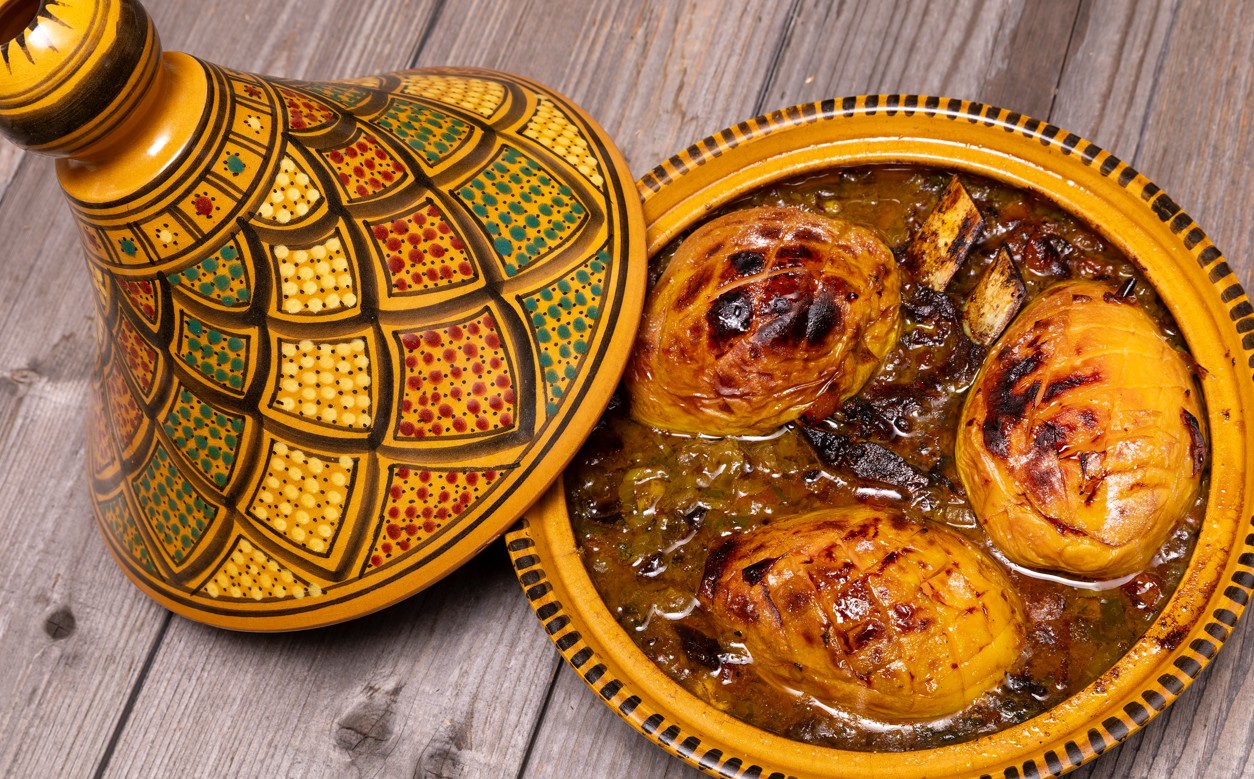
Food in Marrakesh: What to Eat & Drink
Marrakesh’s culinary landscape is a rich sensory celebration of Berber tradition, Arab refinement, and imperial Moroccan sophistication, making it one of North Africa’s most atmospheric and memorable food destinations. As Morocco’s ochre-hued Red City and a former imperial capital, has developed a food culture shaped by desert survival, palace kitchens, and centuries of trade along trans-Saharan caravan routes.
The city’s cuisine reflects its Berber foundations, Arab-Islamic culinary heritage, French colonial influence, and enduring role as Morocco’s cultural heart. Marrakesh sits at the meeting point of mountains and desert, allowing access to both highland produce and Saharan ingredients. The result is a cuisine defined by slow cooking, aromatic spices, and the distinctive Moroccan balance of sweet and savoury. From smoky street food stalls in Jemaa el-Fnaa to refined riad courtyards hidden within the medina, Marrakesh offers one of the most theatrical and emotionally immersive food experiences in the world.
Local Specialities of Marrakesh
Marrakesh is most famous for tanjia, a uniquely Marrakeshi dish of lamb or beef slow-cooked in a clay urn with preserved lemon, garlic, cumin, and saffron. Traditionally prepared by men and cooked for hours in the ashes of a hammam furnace, tanjia is not a tagine but a symbol of the city’s working-class culinary identity.
Pastilla (or b’stilla) is another imperial classic: layers of flaky pastry filled with pigeon or chicken, almonds, cinnamon, and spices, finished with powdered sugar and cinnamon. The dish epitomises Morocco’s mastery of sweet-and-savoury contrast. Méchoui, whole lamb slow-roasted in underground ovens, is reserved for celebrations and communal feasts.
Other local favourites include harira, a tomato, lentil, and chickpea soup traditionally eaten to break the Ramadan fast; rfissa, shredded msemen flatbread with chicken, lentils, and fenugreek; and kefta tagine, meatballs simmered in spiced tomato sauce with eggs cracked directly into the dish. Moroccan salads—such as zaalouk (eggplant and tomato) and taktouka (tomato and green pepper)—are essential accompaniments. For breakfast, baghrir, spongy semolina pancakes soaked with butter and honey, are a local staple.
Everyday Marrakesh & Moroccan Food
Daily eating in Marrakesh follows long-established rhythms. Breakfast typically consists of msemen or khobz bread with honey, olive oil, or jam, accompanied by mint tea. Lunch is traditionally the main meal, often centred on tagine or couscous, while dinner is later and more social, particularly in restaurants.
Lamb is the dominant meat, valued for its flavour and suitability for slow cooking. Couscous—steamed semolina grains served with vegetables and meat—is traditionally eaten on Fridays. Bread is used instead of cutlery and accompanies every meal. Preserved lemons and olives provide sharp, salty depth, while spices such as cumin, coriander, cinnamon, ginger, paprika, and saffron define Moroccan flavour profiles.
Marrakesh’s street food culture, especially in Jemaa el-Fnaa, is legendary. As night falls, the square fills with grills, soup pots, and food stalls serving everything from spiced snails to sheep’s head. The city’s semi-arid climate historically shaped preservation methods and elevated mint tea as both refreshment and ritual.
Cultural Foundations: Berber Roots, Arab Refinement & Imperial Cuisine
Marrakesh’s cuisine is a layered expression of Berber foundations, Arab-Islamic refinement, French colonial legacy, and imperial court influence. Berber cooking emphasised grains, communal meals, and preservation techniques adapted to harsh environments. Arab dynasties introduced spices, sugar, almonds, and culinary sophistication.
French rule added cafés, pastries, and European produce, while royal kitchens refined Moroccan cuisine into a codified imperial tradition. This synthesis creates a distinctly Marrakeshi table where rustic Berber stews, ornate palace dishes, and French-influenced desserts coexist. Food in Marrakesh is inseparable from hospitality—meals are generous, ceremonial, and deeply symbolic of welcome.
Mint Tea, Juices & Local Drinks
Marrakesh’s beverage culture reflects Islamic tradition, desert climate, and colonial influence. Atay—sweet green tea with fresh mint—is Morocco’s national drink and the cornerstone of hospitality, offered to guests at all hours.
Coffee is strong and often lightly spiced. Fresh orange juice, squeezed to order from stalls around Jemaa el-Fnaa, is iconic and exceptionally flavourful. Pomegranate juice is also popular in season.
Alcohol consumption is limited by Islamic norms, but licensed hotels, riads, and restaurants serve Moroccan wines—particularly from the Meknès region—alongside international spirits. Rooftop cafés across the medina offer tea and coffee with sweeping views of minarets and the Atlas Mountains.
International Dining and the Contemporary Scene
While Moroccan cuisine dominates decisively, Marrakesh’s luxury tourism sector supports a strong international dining scene. French restaurants in riads and hotels are polished and refined.
Modern Moroccan chefs are reinterpreting classic dishes with contemporary presentation while respecting tradition. Despite international offerings, the city’s culinary soul remains in its traditional kitchens and street food—many luxury riads pride themselves on serving deeply authentic Moroccan meals. What distinguishes dining in Marrakesh is context: candlelit courtyards, tiled fountains, rooftop sunsets, and the controlled chaos of Jemaa el-Fnaa elevate even simple dishes into unforgettable experiences.
Food Customs and Practical Tips
Dining in Marrakesh ranges from standing at street stalls to some of North Africa’s most elegant restaurants. Service is generally gracious and attentive. Tipping is customary—around 10% is standard. When eating shared dishes, use your right hand and bread as a utensil.
Tagines are traditionally eaten directly from the dish with bread, not cutlery. Jemaa el-Fnaa is best experienced after dark, when food stalls are busiest. Visiting a local market offers insight into spices and ingredients. Dining in a riad courtyard is highly recommended for atmosphere.
Explore different areas: the medina for traditional food and street stalls, Guéliz for modern cafés and restaurants, Hivernage for upscale dining, and the Palmeraie for luxury resort cuisine. Consider a food tour or cooking class to deepen understanding. Marrakesh offers wide culinary range—from inexpensive street food to refined fine dining. Above all, embrace the city’s culinary philosophy: food is ritual, generosity, and sensory abundance in a city that has fed travelers, traders, and kings for over a thousand years.
This guide covers what to eat in Marrakesh, from tanjia and pastilla to méchoui, harira, and Moroccan specialities. Use it to plan your culinary exploration of Morocco’s Red City, where every meal is a feast of aromas, tradition, and imperial history.
Check monthly weather averages for
Latest Secret Flying deals to Marrakesh

Toronto, Canada to Marrakesh, Morocco for only $777 CAD roundtrip
Cheap flights from Toronto, Canada to Marrakesh, Morocco for only $777 CAD roundtrip with TAP Air Portugal.
View DealSeattle to Marrakesh, Morocco for only $656 roundtrip
Cheap flights from Seattle to Marrakesh, Morocco for only $656 roundtrip with American Airlines, Iberia and British Airways.
View Deal [adblockingdetector id="638efa67113bf"]