


Nagoya Food Guide
Food in Nagoya: What to Eat & Drink
Nagoya’s culinary landscape is a proud, distinctive, and deeply satisfying counterpoint to Japan’s more famous food capitals. It reflects the region’s historical wealth, industrial strength, and confident local identity. As the capital of Aichi Prefecture and the heart of the Chūbu region, Nagoya has developed a food culture that is bold, flavor-forward, and unapologetically unique. Its cuisine is defined by a deep love of rich, savory-sweet miso, hearty noodles, and inventive preparations of chicken and pork. Shaped by its location on the fertile Nōbi Plain, its history as a castle town and manufacturing hub, and a local character often described as meibutsu shōkōgun (an enthusiasm for famous local products), Nagoya’s food is comforting, assertive, and among the most crave-worthy regional cuisines in Japan.
Core ingredients such as red miso (aka miso), chicken—most famously the prized Nagoya Cochin breed—pork, flat udon noodles, rice, and locally grown soybeans and green tea form the foundation of Nagoya’s cooking. Dishes are distinguished by their heavy use of Hatchō miso, a dark, intensely savory soybean paste aged for up to three years, and by a preference for robust, filling flavors that leave a lasting impression. Nagoya’s industrial past encouraged quick, satisfying meals for workers, which evolved into some of the city’s most iconic noodle and rice dishes. From busy set-meal restaurants in Sakae to legendary miso katsu specialists in Osu, Nagoya offers a culinary journey through Japan’s most proudly provincial and deliciously defiant kitchen.
Local Specialities of Nagoya
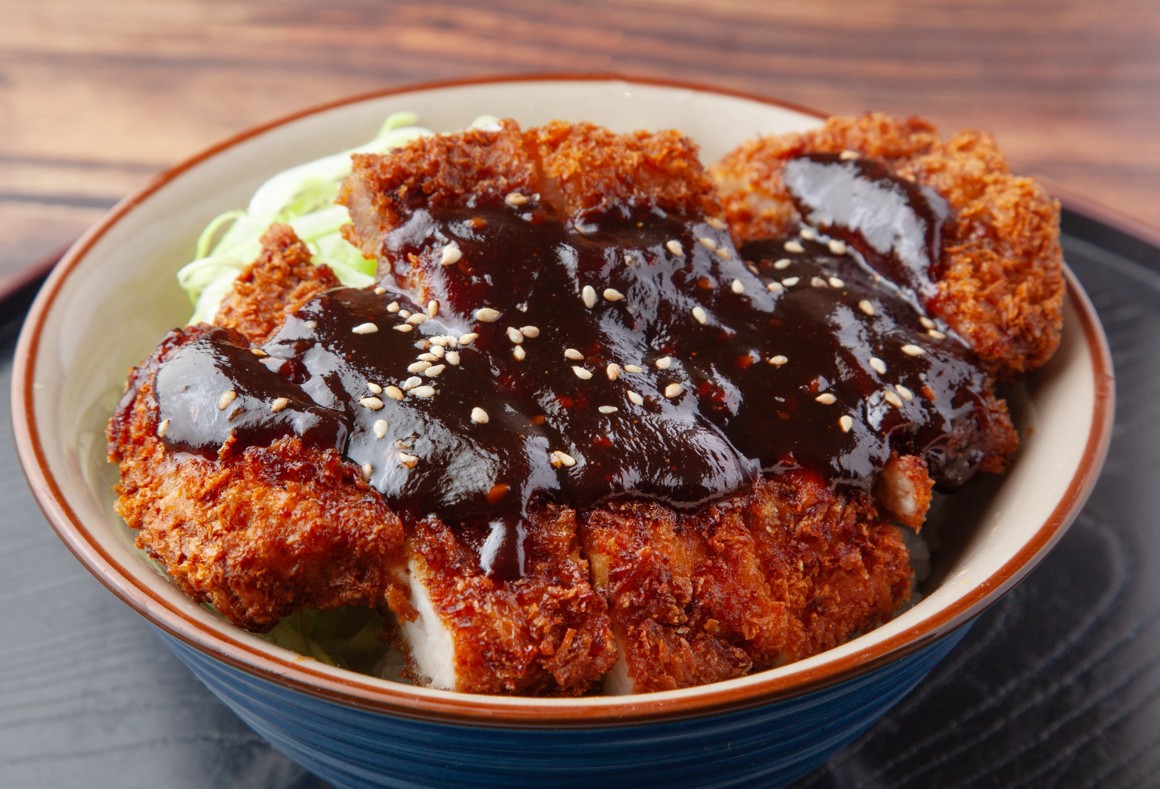
Nagoya is best known for miso katsu, a deep-fried pork cutlet topped with a thick, glossy sauce made from Hatchō miso instead of the standard tonkatsu sauce. Kishimen, flat and wide udon noodles with a smooth texture, are another essential local specialty and have been enjoyed in the city since the Edo period, served either hot or cold in a light broth.
Tebasaki, Nagoya-style chicken wings, are twice-fried until crisp and then coated in a sweet, salty, and peppery glaze, served without batter. Hitsumabushi is the city’s luxurious interpretation of grilled eel, presented over rice in a lacquered box and traditionally eaten in stages: first plain, then with condiments such as green onion, nori, and wasabi, and finally as a chazuke with hot dashi poured over the top. Tenmusu combines a rice ball with a whole tempura shrimp inside, making it a popular portable snack. Ogura toast, thick toast spread with butter and sweet red bean paste, is a classic Nagoya café breakfast item. Uiro is a traditional steamed confection made from rice flour and sugar, known for its chewy, jelly-like texture and often flavored with matcha or red bean. Nagoya Cochin chicken is celebrated for its depth of flavor and appears in dishes such as oyakodon and tebasaki. Miso nikomi udon features thick noodles simmered in a bubbling-hot Hatchō miso broth with chicken, egg, and vegetables.
Everyday Nagoya & Aichi Food
Breakfast in Nagoya often includes ogura toast and a boiled egg at a local kissaten (coffee shop), though more traditional Japanese breakfasts are also common. Lunch tends to be fast and filling, with bowls of kishimen, miso katsu set meals, or bento boxes favored by office workers. Dinner ranges from casual izakaya meals featuring tebasaki and other local dishes to more relaxed sit-down restaurant dining.
Hatchō miso is not limited to soup but is used extensively as a sauce, marinade, and seasoning. Chicken, particularly Nagoya Cochin, plays a central role in everyday cooking, while flat udon noodles are as common here as ramen is in other Japanese cities. One of Nagoya’s most distinctive habits is its café morning service, where ordering a drink often comes with complimentary toast, eggs, or salad. This competitive and beloved tradition reflects the city’s pragmatic, industrious character. Food in Nagoya is designed to be efficient, satisfying, and generously flavored.
Cultural Fusion: Samurai Stoicism, Merchant Prosperity & Industrial Innovation
Nagoya’s cuisine is rooted in its dual past as a powerful castle town ruled by the Owari Tokugawa clan and as a prosperous merchant center. Samurai values favored sturdy, nourishing foods, encouraging the production of durable, protein-rich miso, while merchant culture supported the development of refined sweets and tea traditions.
The industrial expansion of the 20th century created demand for fast, energy-dense meals, refining dishes such as kishimen and tebasaki into everyday staples. As a result, Nagoya’s food tells a layered story: samurai-era preservation techniques in its miso, merchant-era refinement in its sweets, and blue-collar ingenuity in its pub foods. The city’s cuisine embodies strong jimoto ryōri pride, confidently asserting that its local flavors are distinct and worth seeking out.
Craft Beverage Scene and Local Libations
Nagoya’s beverage culture is shaped by its devotion to coffee, respected local sake, and a few quirky regional twists. The café morning service culture has made the city a haven for traditional kissaten, where thick, dark, hand-drip coffee remains the standard.
Sake from Aichi Prefecture is smooth and well-regarded, pairing easily with the region’s rich cuisine. Tea culture is also prominent, with matcha and hōjicha widely consumed throughout the day. Beer culture mirrors the rest of Japan, with major domestic brands and a growing number of craft options. What truly sets Nagoya apart is the social importance of café culture, where morning coffee rituals are generous, habitual, and deeply woven into daily life.
International Dining and Contemporary Scene
Although local specialties dominate, Nagoya’s size and international connections support a diverse dining landscape. The city offers strong Chinese cuisine, particularly Taiwanese, as well as Korean barbecue and a solid selection of Italian and French restaurants.
Modern Japanese chefs in Nagoya often experiment quietly with local ingredients rather than chasing global trends. Overall, the city’s dining identity remains firmly focused on perfecting its own regional classics. For visitors, this is part of the appeal: Nagoya is not about generic Japanese food, but about experiencing dishes that exist in their most distinctive form only here.
Food Customs and Practical Tips
Dining in Nagoya is casual, efficient, and unfussy. Service is polite and quick, and tipping is not practiced in Japan. Locals take tebasaki seriously, often consuming impressive quantities with practiced ease.
When eating hitsumabushi, follow the recommended stages to fully appreciate the dish. Tebasaki are typically eaten with your hands. Make use of café morning service for an inexpensive and satisfying breakfast. The Osu Shopping Arcade is one of the best areas to explore, packed with long-established specialists in miso katsu, kishimen, and tebasaki.
Different districts offer different experiences. Sakae and Nagoya Station concentrate department store food halls and restaurants, Osu has the densest collection of classic local eateries, and Kanayama is known for relaxed, local izakayas. The “big three” of miso katsu, tebasaki, and hitsumabushi are essential, after which kishimen and tenmusu are well worth exploring. Be prepared for the intensity of Hatchō miso, a powerful flavor that many visitors quickly become addicted to. Nagoya offers excellent value, with hearty set meals at reasonable prices. Above all, embrace the city’s culinary confidence: Nagoya does not follow Japan’s food trends so much as define its own, delivering some of the country’s most memorable and satisfying regional dishes.
This guide covers what to eat in Nagoya, from miso katsu and tebasaki to hitsumabushi, kishimen, and classic Nagoya specialties. Use it to plan your culinary exploration of Japan’s proudly provincial and flavor-forward capital of the Chūbu region.
Check monthly weather averages for
Latest Secret Flying deals to Nagoya
Copenhagen, Denmark to Japanese cities from only €446 roundtrip
Cheap flights from Copenhagen, Denmark to Japanese cities from only €446 roundtrip.
View DealGeneva, Switzerland to Japanese cities from only €446 roundtrip
Cheap flights from Geneva, Switzerland to Japanese cities from only €446 roundtrip.
View DealBudapest, Hungary to Nagoya, Japan for only €469 roundtrip
Cheap flights from Budapest, Hungary to Nagoya, Japan for only €469 roundtrip.
View Deal [adblockingdetector id="638efa67113bf"]