


New Orleans Food Guide
Food in New Orleans: What to Eat & Drink
New Orleans’ culinary landscape is a vibrant, soulful, and historically rich tapestry shaped by French, Spanish, West African, Caribbean, and Southern American influences. Few cities in the world possess a food culture as distinctive or as deeply woven into daily life. As the birthplace of Creole and Cajun cuisines, New Orleans has developed a culinary identity that is festive, complex, and profoundly communal, where every dish tells a story of convergence, resilience, and celebration. Shaped by its location at the mouth of the Mississippi River, its humid subtropical climate, and a history defined by colonial rule, slavery, migration, and trade, the city’s cuisine is built on bold flavors, patient cooking, and an infectious joie de vivre that permeates everything from a humble po’boy to an elegant shrimp rémoulade.
Core ingredients such as the “Holy Trinity” of onions, bell peppers, and celery, along with rice, abundant seafood, smoked meats, and a rich repertoire of spices and herbs, form the backbone of New Orleans cooking. Techniques emphasize depth and layering, most notably through the careful preparation of roux, the essential foundation of many local dishes. Surrounded by bayous, wetlands, and the Gulf of Mexico, the city benefits from extraordinary access to shrimp, oysters, crab, and crawfish, while its food traditions reflect a culture of preservation, slow cooking, and communal feasting. From century-old Creole dining rooms in the French Quarter to bustling neighborhood po’boy shops in Mid-City, New Orleans offers a culinary pilgrimage through one of America’s most culturally significant kitchens.
Local Specialities of New Orleans
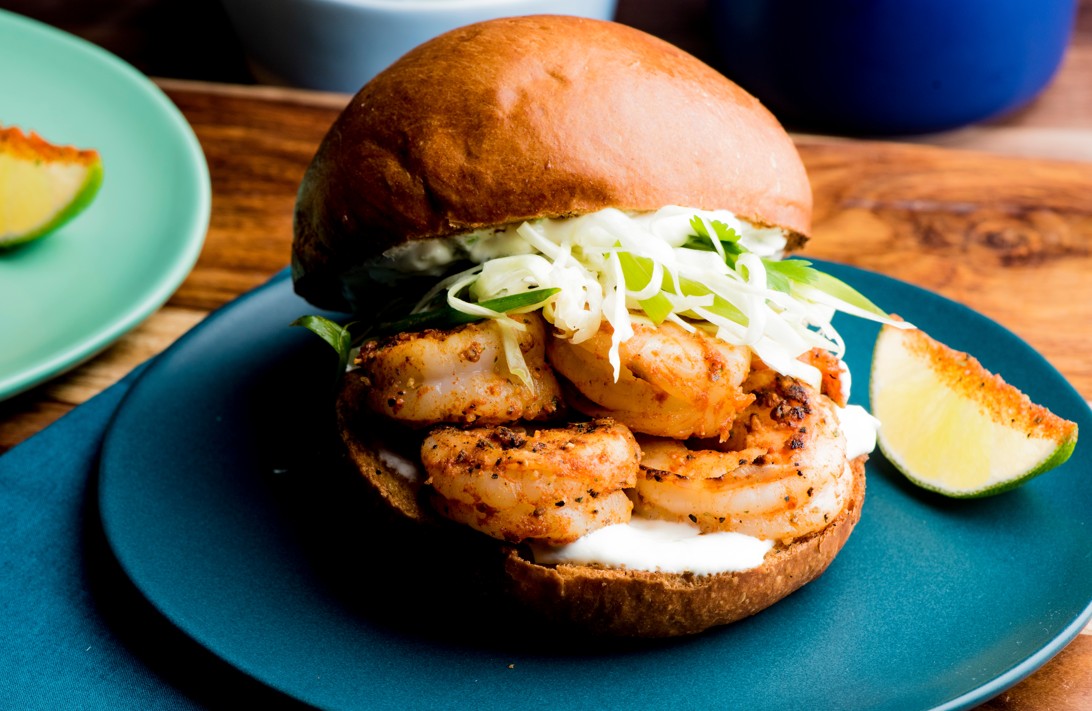
New Orleans is the revered home of the po’boy, a sandwich built on crisp French bread and filled with fried seafood such as shrimp or oysters, or roast beef soaked in gravy, typically dressed with lettuce, tomato, pickles, and mayonnaise. Gumbo stands as the city’s signature dish, appearing in two primary styles: Creole gumbo, which often includes tomatoes, okra, and seafood or sausage, and Cajun gumbo, darker and more rustic, made with a deeply cooked roux and usually featuring poultry and sausage.
Jambalaya is a hearty rice dish cooked with meat, seafood, and the Holy Trinity, often compared to paella but unmistakably Louisianan in character. Crawfish étouffée features crawfish smothered in a rich, roux-based sauce and served over rice, while red beans and rice, traditionally eaten on Mondays, is slow-cooked with sausage and steeped in history. The muffuletta, a massive round sandwich layered with Italian cold cuts, cheese, and olive salad, reflects the city’s Sicilian heritage. Sweet traditions are equally iconic, from powdered-sugar-drenched beignets served with café au lait, to oysters Rockefeller and oysters Bienville, both invented in the city, and bananas Foster, flambéed tableside in rum. Pralines, rich pecan candies, remain a beloved local indulgence.
Everyday New Orleans & Louisiana Food
Breakfast in New Orleans might include grits and grillades, eggs Sardou topped with artichokes and hollandaise, or simply beignets with coffee. Lunch is often casual and filling, centered around a po’boy, a plate lunch special, or a bowl of gumbo. Dinner tends to be more elaborate, whether enjoyed at a classic Creole institution or at a neighborhood spot serving boiled crawfish when in season.
Café au lait made with chicory coffee is the city’s morning ritual, while seafood, particularly shrimp and oysters, appears daily on local tables. Rice is the essential starch and accompanies most meals. The tradition of the seafood boil, whether crawfish, shrimp, or crab, is a deeply social event that brings people together around communal tables covered in spice and newspaper. New Orleans eats late, often with a strong culture of late-night food following music and bar hopping. The city’s food culture is inseparable from its music, festivals, and street life, making dining a participatory and celebratory experience.
Cultural Fusion: Creole Refinement, Cajun Roots & a Global Port City
New Orleans cuisine emerged from a remarkable historical fusion. Creole cooking developed in the city’s cosmopolitan colonial households, blending French and Spanish culinary techniques with West African ingredients such as okra and rice, along with Native American contributions. Cajun cuisine evolved separately among French Acadians who settled in the rural bayous, adapting their rustic traditions to local ingredients and conditions.
Later waves of Italian, German, Irish, and other immigrants added further layers, introducing new flavors and dishes that were absorbed into the local canon. The result is a uniquely New Orleanian table where refined sauces, deeply spiced stews, and hearty sandwiches coexist seamlessly. The food culture embodies the city’s guiding philosophy of letting the good times roll, expressed through generosity, conviviality, and a deep sense of place.
Craft Beverage Scene and Local Libations
New Orleans’ beverage culture is legendary and closely intertwined with its social life. The city is widely regarded as the birthplace of the cocktail, most famously represented by the Sazerac, a drink of rye whiskey, bitters, and a whisper of absinthe.
Other classic drinks include the Hurricane, a potent rum-based punch, the Ramos Gin Fizz with its famously laborious preparation, and a wide array of frozen daiquiris enjoyed casually throughout the city. Local beers from Abita Brewing are staples, while café au lait and iced coffee fuel the daytime hours. What truly sets New Orleans apart is its historic cocktail tradition, preserved in bars that function as living museums, and a permissive drinking culture where beverages are woven seamlessly into public life.
International Dining and Contemporary Scene
Although Creole and Cajun cuisines remain central, modern New Orleans boasts a diverse international dining scene that reflects its long history as a port city and home to new immigrant communities. Vietnamese food, in particular, has become an integral part of the local landscape, alongside Honduran, Caribbean, and contemporary Latin American cooking.
Contemporary Creole, sometimes referred to as “New New Orleans” cuisine, drives much of the city’s culinary innovation, as chefs reinterpret classic dishes with seasonal ingredients and global influences. Even so, the city’s soul remains firmly anchored in its historic restaurants, neighborhood seafood joints, and humble po’boy shops. Tradition and evolution exist in careful balance, with innovation rooted in deep respect for the past.
Food Customs and Practical Tips
Dining in New Orleans ranges from relaxed and informal to formal at traditional white-tablecloth establishments. Service is often friendly and personal, and tipping around 18 to 20 percent is customary. Reservations are strongly recommended for well-known restaurants.
It is helpful to understand local terminology: a po’boy ordered “dressed” comes with lettuce, tomato, pickles, and mayonnaise, and not every dish in the city should be labeled Cajun unless it truly originates from Cajun country. Expect lines at iconic spots such as Café du Monde or famous fried chicken institutions, and plan visits during crawfish season, typically from late winter through early summer, for an authentic local experience. Exploring neighborhood markets and food halls provides insight into everyday eating.
Each neighborhood offers its own culinary character. The French Quarter is home to historic restaurants and iconic landmarks, Uptown and the Garden District combine classic dining with refined modern spots, Mid-City is renowned for po’boys and local favorites, and the Bywater and Marigny neighborhoods showcase creative, trend-forward eateries. Balancing visits to legendary institutions with lesser-known neighborhood gems offers the fullest picture. Above all, embrace New Orleans’ culinary spirit: joyful, soulful, generous, and inseparable from the city’s music, history, and sense of community.
This guide covers what to eat in New Orleans, from gumbo and po’boys to jambalaya, beignets, and classic Creole and Cajun specialties. Use it to plan your culinary exploration of one of the world’s most historic and flavorful food cities.
Check monthly weather averages for
Latest Secret Flying deals to New Orleans
Non-stop from Dallas, Texas to New Orleans (& vice versa) for only $97 roundtrip
Non-stop flights from Dallas, Texas to New Orleans for only $97 roundtrip with American Airlines. Also works in reverse.
View DealNew Orleans to Honolulu, Hawaii (& vice versa) for only $404 roundtrip
Cheap flights from New Orleans to Honolulu, Hawaii for only $404 roundtrip with United Airlines. Also works in reverse.
View DealAguadilla, Puerto Rico to New Orleans, USA for only $286 USD roundtrip
Cheap flights from Aguadilla, Puerto Rico to New Orleans, USA for only $286 USD roundtrip with United Airlines.
View Deal [adblockingdetector id="638efa67113bf"]