


Nice Food Guide
Food in Nice: What to Eat & Drink
Nice’s culinary landscape is a sun-drenched and aromatic expression of the French Riviera, where the olive oil-rich traditions of Provence meet the fresh bounty of the Mediterranean Sea and the enduring influence of neighboring Italy. As the capital of the Alpes-Maritimes département and the heart of the Côte d’Azur, Nice has developed a food culture that is distinctly its own, known as la cuisine Nissarde. This hearty, flavorful, and vegetable-focused tradition was born in the kitchens of the city’s working classes and remains deeply rooted in everyday life.
Shaped by its dramatic position between the Alps and the sea, its history as part of the County of Savoy and later the Kingdom of Sardinia before becoming French in 1860, and its vibrant outdoor market culture, Nice’s cuisine celebrates local produce, aromatic herbs, and simple, honest preparations that allow ingredients to shine. The result is a food culture that feels rustic yet refined, unpretentious yet deeply expressive of place.
Core ingredients such as olive oil, garlic, tomatoes, zucchini, eggplant, bell peppers, anchovies, olives, chickpeas, and fresh herbs like basil, thyme, and rosemary form the foundation of Niçoise cooking. Dishes are defined by their vivid colors, generous use of olive oil rather than butter, and a strong preference for vegetables over meat. Nice’s geography provides an abundance of sun-ripened produce, wild herbs from the arrière-pays, and a steady supply of fresh fish from the Mediterranean. Historical ties to Italy are evident in the use of pastas, flatbreads, and stuffed vegetables. From the lively stalls of the Cours Saleya market to traditional bastides in the surrounding hills, Nice offers a culinary journey through the soulful and flavorful heart of the Riviera.
Local Specialities of Nice
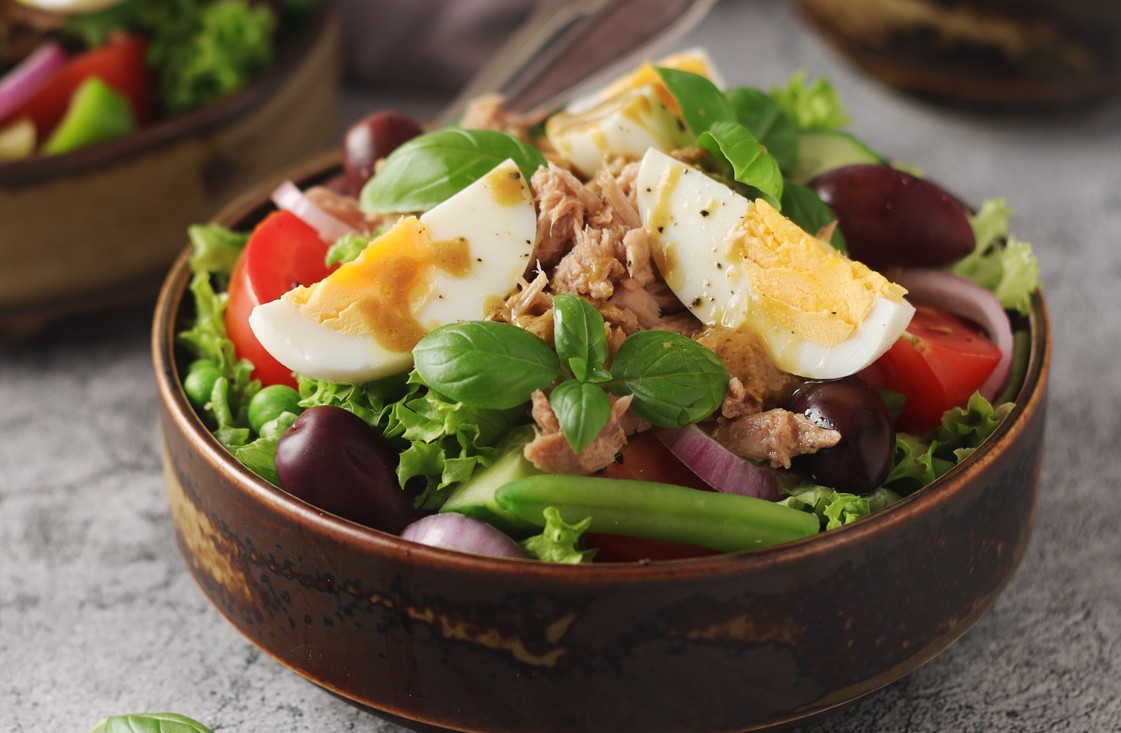
Nice is the birthplace of the iconic Salade Niçoise. In its authentic form, the salad consists of raw vegetables such as tomatoes, bell peppers, and radishes, along with hard-boiled eggs, Niçoise olives, anchovies, and artichoke hearts, all dressed simply with olive oil. It never includes cooked vegetables like potatoes or green beans, and tuna is a modern, optional addition rather than a traditional component.
Another essential specialty is socca, a thin, crisp chickpea pancake made from chickpea flour, olive oil, and water, baked in a wood-fired oven and eaten piping hot with a sprinkle of black pepper. It is the city’s most beloved street food and a daily ritual for many locals.
Pissaladière is a savory onion tart resembling pizza, topped with slow-cooked onions, anchovies, and black olives. Petits farcis are small vegetables such as tomatoes, zucchini, onions, and bell peppers stuffed with a mixture of meat, herbs, and breadcrumbs before being baked. Tourte de blettes is a distinctive sweet-and-savory Swiss chard pie that often includes raisins, pine nuts, and sometimes apples.
Heartier dishes include daube Niçoise, a red wine-braised beef stew typically served with pasta or gnocchi, and stocaficada, a traditional stew of dried cod cooked with tomatoes, olives, and potatoes. Pan bagnat transforms the elements of Salade Niçoise into a sandwich, with a round bread roll soaked in olive oil and filled with classic ingredients. Other local favorites include beignets de fleurs de courgettes, delicate fried zucchini flower fritters, raviolis Niçois filled with meat or Swiss chard, and Provençal fougasse, a flatbread often flavored with olives or bacon.
Everyday Nice and Niçoise Food
Breakfast in Nice follows a typically French pattern, usually consisting of a tartine with butter and jam accompanied by coffee. Lunch is traditionally the main meal of the day and may take the form of a multi-course plat du jour at a local bistro or a simple pan bagnat enjoyed on the go. Dinner is often lighter, featuring salads, small plates, or grilled fish, usually paired with a glass of local wine.
Olive oil is used for nearly all cooking and dressing, while fresh vegetables from the market are central to most meals. Fish and seafood such as sea bream, sea bass, sardines, and mussels are prepared simply, allowing their natural flavors to take center stage. Rosé wine from nearby Provençal vineyards is the preferred drink, particularly during the warmer months. The culture of the apéritif is deeply ingrained, with locals gathering in the early evening to enjoy pastis, wine, or beer alongside small snacks before dinner. Meals are often taken outdoors on sunlit terraces and enjoyed at a relaxed Mediterranean pace.
Cultural Fusion: Provençal Roots, Italian Heritage, and Riviera Refinement
Niçoise cuisine is rooted in the frugal, vegetable-based cooking of Provençal peasants and fishermen, developed to make the most of seasonal and locally available ingredients. Centuries of political and cultural ties to Italy, particularly Genoa and Piedmont, introduced pasta, polenta, and techniques such as stuffing vegetables and preparing flatbreads.
The city’s popularity among European aristocracy and artists in the nineteenth century added a touch of refinement without erasing its rustic foundation. As a result, Nice offers a cuisine where Italian-influenced chickpea pancakes, Provençal vegetable dishes, and French-style seafood coexist harmoniously. Niçoise food culture reflects la dolce vita with a French sensibility, combining relaxed dining, bold flavors, and a deep connection to land and sea.
Craft Beverage Scene and Local Libations
The beverage scene in Nice is dominated by Provençal wines and classic French apéritifs, with a growing interest in craft beer. Rosé de Provence is the emblematic drink of the region, prized for its pale color, dryness, and refreshing character, and is enjoyed chilled throughout the day.
Pastis remains the traditional apéritif, typically diluted with cold water. The city is also home to the Bellet AOC, one of France’s smallest wine appellations, producing rare and highly regarded white, red, and rosé wines within the city limits. Italian influences appear in the popularity of limoncello and other citrus-based liqueurs, while local microbreweries are increasingly contributing to the modern drinking scene. Espresso and café au lait are consumed at all hours. What truly distinguishes Nice is the ubiquity of chilled rosé and the ritual of the early evening apéritif enjoyed on a sunny terrace.
International Dining and Contemporary Scene
While Niçoise cuisine remains central to the city’s identity, Nice’s international appeal ensures a diverse range of dining options. Italian, Spanish, North African, and contemporary French restaurants are widely available and often of excellent quality.
Modern bistros reinterpret traditional dishes with lighter techniques and contemporary presentation, yet the soul of Nice’s food culture remains firmly rooted in family-run restaurants Niçois, bustling markets, and humble street food stalls selling socca and pan bagnat. The city’s dining scene balances tradition and cosmopolitanism, catering to visitors without losing its local character.
Food Customs and Practical Tips
Dining in Nice is relaxed and informal, with service that may feel direct but is generally warm and efficient. Tipping is not obligatory, as service is included, but rounding up the bill or leaving five to ten percent for good service is appreciated. Meals are meant to be enjoyed slowly and without rush.
To eat like a local, order a traditional Salade Niçoise without cooked vegetables or tuna, and seek out socca from a dedicated vendor for the best experience. Visit the Cours Saleya market in the morning for produce, flowers, and local specialties, and return in the evening when it transforms into a lively dining area. Eating socca or pan bagnat with your hands is entirely acceptable.
Explore different neighborhoods to fully experience the city’s food culture. The Old Town, or Vieux Nice, offers the highest concentration of traditional eateries and street food. Port Lympia is known for seafood restaurants, while the Colline du Château area provides scenic views and relaxed cafés. For a more rural experience, venture into the surrounding hills to dine at traditional bastide restaurants. Whether visiting renowned institutions or tiny, unmarked spots hidden in narrow alleys, Nice rewards curiosity and appetite. Above all, embrace the city’s culinary spirit, which celebrates sunlight, fresh produce, and the simple pleasure of sharing a meal outdoors in one of the Mediterranean’s most beautiful settings.
This guide covers what to eat in Nice, from classic Salade Niçoise and socca to pissaladière, petits farcis, and other local specialties, providing a comprehensive foundation for exploring the food culture of the French Riviera.
Check monthly weather averages for
Latest Secret Flying deals to Nice
Banjul, Gambia to Nice, France for only $320 USD roundtrip
Cheap flights from Banjul, Gambia to Nice, France for only $320 USD roundtrip.
View DealAbidjan, Ivory Coast to Nice, France for only $515 USD roundtrip
Cheap flights from Abidjan, Ivory Coast to Nice, France for only $515 USD roundtrip with Brussels Airlines.
View DealUS cities to French cities from only $484 roundtrip
Cheap flights from US cities to French cities from only $484 roundtrip with United Airlines and Air Canada.
View Deal [adblockingdetector id="638efa67113bf"]