


Norfolk, Virginia Food Guide
Food in Norfolk, Virginia: What to Eat & Drink
Norfolk’s culinary landscape is a robust and deeply satisfying reflection of its maritime roots, Southern coastal heritage, and evolving identity as a cultural and military hub of the Mid-Atlantic. Home to the world’s largest naval base and positioned at the mouth of the Chesapeake Bay, the city has developed a food culture intrinsically tied to the water, celebrating the bounty of both the Bay and the Atlantic through a distinctly Virginian lens.
Shaped by its long history as a working port, its significant African American community, and the constant influx of sailors, students, and transplants, Norfolk’s cuisine blends classic Tidewater seafood traditions with Southern comfort food and a growing wave of modern, chef-driven innovation. This balance is especially visible along the revitalized waterfront and in neighborhoods where historic seafood institutions sit comfortably alongside contemporary gastropubs.
Core ingredients such as blue crab, oysters, flounder, shrimp, corn, ham, peanuts, and seasonal produce form the foundation of Norfolk’s food culture. Dishes are defined by straightforward preparations, often steamed, fried, or lightly seasoned, that allow the quality of the seafood to shine, complemented by hearty, soul-warming Southern sides. Norfolk’s geography at the confluence of the Elizabeth River and the Chesapeake Bay defines its culinary soul, making this unmistakably crab cake and oyster roast territory. From no-frills seafood shacks along Hampton Boulevard to creative kitchens in the NEON District, Norfolk offers a flavorful journey through coastal Virginia.
Local Specialities of Norfolk
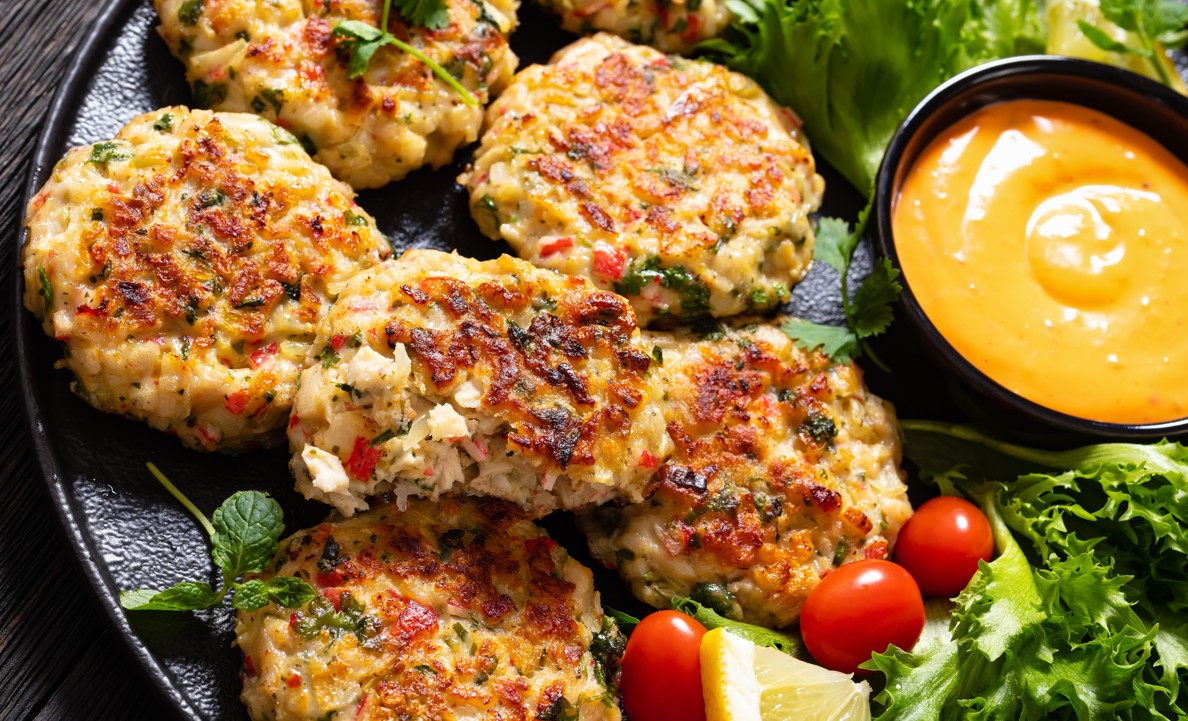
Norfolk sits firmly in the heart of Chesapeake Bay blue crab country. The undisputed local benchmark is the crab cake, typically made with large lumps of sweet crabmeat and minimal filler, held together with just enough binder and pan-fried to a light golden crust. Another regional classic is she-crab soup, a rich and creamy bisque made with blue crab meat and roe, finished with cream and sherry and deeply associated with the Tidewater and Lowcountry traditions.
Fresh oysters are central to the local diet and are served raw, roasted, or incorporated into stews, with many sourced from the nearby Lynnhaven River system. Virginia ham, a salt-cured country ham similar to Smithfield, appears in biscuits, breakfast plates, and as a savory counterpoint to seafood. Brunswick stew remains a beloved staple, combining vegetables with meats such as chicken or pork in a hearty tomato-based broth. Peanut soup, a creamy and savory dish rooted in colonial-era cooking, highlights Virginia’s long-standing peanut heritage.
Local fish such as flounder and spot are commonly fried and served as platters or sandwiches, while soft-shell crab sandwiches are a seasonal highlight eagerly anticipated each year. Ham biscuits, particularly those made with Smithfield-style ham, are a simple but iconic snack. Norfolk’s thriving craft beer scene also plays a role in the local food identity, with breweries such as O’Connor Brewing Co. and The Bold Mariner becoming gathering points for both locals and visitors.
Everyday Norfolk and Tidewater Food
Everyday eating in Norfolk reflects its Southern roots and coastal setting. Breakfast might include a ham biscuit, shrimp and grits, or a classic Southern breakfast plate. Lunch is often centered on seafood, whether in the form of a crab cake sandwich, a fried fish platter, or a bowl of she-crab soup. Dinner ranges from casual shrimp and crab boils shared with friends to more refined dining experiences in the city’s downtown and historic neighborhoods.
Seafood appears frequently on the table when in season, accompanied by familiar sides such as hushpuppies, collard greens, black-eyed peas, and macaroni and cheese. Sweet tea is the default beverage in many establishments, while oyster roasts and crab feasts play an important social role, particularly during cooler months. Norfolk’s large military population reinforces a demand for hearty, familiar food while also introducing diverse culinary influences from across the United States and beyond.
Cultural Fusion: Indigenous, Colonial, African American, and Maritime Influences
Norfolk’s cuisine is built on layers of cultural influence that reflect the region’s complex history. Indigenous knowledge of the Chesapeake’s waters laid the earliest foundation, while English colonists introduced traditions such as ham curing and peanut cultivation. The culinary legacy of enslaved West Africans is profoundly influential, evident in stews, frying techniques, and the widespread use of greens and peanuts.
As a major port city, Norfolk absorbed influences from other maritime centers and the diets of sailors passing through its harbor. The twentieth-century expansion of the military added another layer, bringing institutional food traditions alongside global flavors. The result is a distinctly Norfolk style of cooking where colonial-era peanut soup, African American-inspired seafood dishes, and the practical, no-nonsense ethos of a working port city coexist naturally.
Craft Beverage Scene and Local Libations
Norfolk’s beverage scene is anchored by a strong craft beer culture, complemented by historical ties to cider production and a steadily growing cocktail scene. The city also sits within the broader Coastal Virginia Wine Region, which has gained increasing recognition in recent years.
Local craft beer is a major source of civic pride, with numerous breweries and taprooms focusing on approachable styles and hop-forward IPAs. Virginia wine, particularly from nearby areas such as Williamsburg and the Eastern Shore, is widely available, with Viognier emerging as a regional signature. Cider, once common in colonial Virginia, is experiencing a modern revival through small local producers. Classic cocktails with subtle Southern influences are popular in upscale bars, while sweet tea and lemonade remain essential non-alcoholic staples. What distinguishes Norfolk most is the density of its breweries and the way beer culture complements the city’s seafood-driven cuisine.
International Dining and Contemporary Scene
While seafood and Southern cooking anchor Norfolk’s culinary identity, the city’s revitalization and diverse population have fostered a dynamic and varied dining scene. Vietnamese, Filipino, Thai, Korean, Mexican, and other international cuisines are well represented, reflecting both immigrant communities and the city’s global connections.
Neighborhoods such as Ghent and Downtown are hubs for modern American bistros, farm-to-table restaurants, and creative gastropubs that reinterpret local ingredients through contemporary techniques. Despite this evolution, Norfolk’s culinary heart remains rooted in its long-standing seafood institutions, soul food cafés, and the lively Granby Street corridor. The result is a food scene that balances tradition with youthful energy and reflects a city confidently rediscovering its potential.
Food Customs and Practical Tips
Dining in Norfolk is casual, welcoming, and unpretentious, with service that is generally warm and accommodating. Tipping between eighteen and twenty percent is standard, and portion sizes are often generous, particularly at seafood restaurants.
Crab eating is a hands-on experience, and getting messy is expected. Mallets, picks, and newspaper-covered tables are all part of the ritual. For a true local benchmark, try a crab cake from a dedicated seafood restaurant. The Norfolk Farmers Market at Five Points is an excellent place to explore local produce and artisanal goods, while the NEON District combines street art with an eclectic mix of eateries.
Exploring different neighborhoods offers the fullest picture of Norfolk’s food culture. Ghent is known for cafés, bistros, and the dining strip along Colley Avenue. Downtown and the Waterside area provide waterfront dining and access to the renovated Waterside District food hall. Ocean View is home to classic seafood shacks with beach views and a more old-school feel. Seasonal availability is important, particularly for soft-shell crabs and oysters, and prices for high-quality seafood are generally lower than in many larger coastal cities. Above all, Norfolk’s culinary spirit is defined by warmth, generosity, and a deep respect for the sea’s harvest, served with unmistakable Southern hospitality.
This guide covers what to eat in Norfolk, from crab cakes and she-crab soup to Virginia ham, Brunswick stew, and classic Tidewater specialties, providing a practical foundation for exploring one of Virginia’s most flavorful coastal cities.
Check monthly weather averages for
Latest Secret Flying deals to Norfolk, Virginia
San Juan, Puerto Rico to Norfolk, Virginia for only $274 USD roundtrip
Cheap flights from San Juan, Puerto Rico to Norfolk, Virginia for only $274 USD roundtrip with United Airlines.
View DealSan Francisco to Norfolk, Virginia (& vice versa) for only $203 roundtrip (Dec-Feb dates)
Cheap flights from San Francisco to Norfolk, Virginia for only $203 roundtrip with American Airlines. Also works in reverse.
View DealNon-stop from Norfolk, Virginia to Denver, Colorado (& vice versa) for only $98 roundtrip (Oct-Nov dates)
Non-stop flights from Norfolk, Virginia to Denver, Colorado for only $98 roundtrip with United Airlines. Also works in reverse.
View Deal [adblockingdetector id="638efa67113bf"]