


Orlando Food Guide
Food in Orlando: What to Eat & Drink
Orlando’s culinary landscape is a dynamic, dual-layered expression of Central Florida, where Southern agricultural roots, a subtropical climate, and the immense gravitational pull of global tourism converge to create a dining scene with a distinctive split personality. On one side is the meticulously engineered fantasy of the resorts and theme parks; on the other is the authentic, fast-evolving food culture of a real city shaped by migration, local pride, and growing culinary ambition.
As the theme park capital of the world and a rapidly expanding metropolitan hub, Orlando developed a food culture that is simultaneously spectacularly international and increasingly grounded in its Floridian and Southern identity. The rhythms of daily eating move easily between character breakfasts, happy hours at familiar chains, weekend food truck rallies, and a steadily maturing farm-to-table movement. Shaped by Cuban and Puerto Rican migration, access to Florida seafood and citrus, and the influx of culinary talent drawn to its hospitality industry, Orlando’s cuisine celebrates fresh fruit, Gulf seafood, slow-smoked barbecue, tropical flavors, and Latin-Caribbean traditions.
Core ingredients reflect both Florida’s natural abundance and the broader Southern pantry. Citrus fruits such as oranges, grapefruit, and key limes appear across both sweet and savory dishes, alongside fresh seafood including grouper, snapper, shrimp, and stone crab. Tropical fruits like mango, guava, and coconut mix with tomatoes, corn, okra, collard greens, black-eyed peas, rice, and grits, while Latin staples such as plantains, black beans, yuca, and sofrito are deeply embedded in daily cooking. Dishes tend toward bright, sweet-savory flavor profiles, confident frying and smoking techniques, and vibrant Caribbean spice blends. From immersive dining experiences inside themed environments to unassuming strip-mall eateries serving exceptional Venezuelan arepas, eating in Orlando is a journey through imagination, migration, and unexpected authenticity.
Local Specialties of Orlando
Orlando’s signature foods sit at the intersection of Southern, Floridian, and Latin-Caribbean traditions. Florida grouper is the most iconic local fish, commonly served blackened, fried, or grilled, often as a sandwich or plated with citrus-forward sauces that highlight the region’s produce.
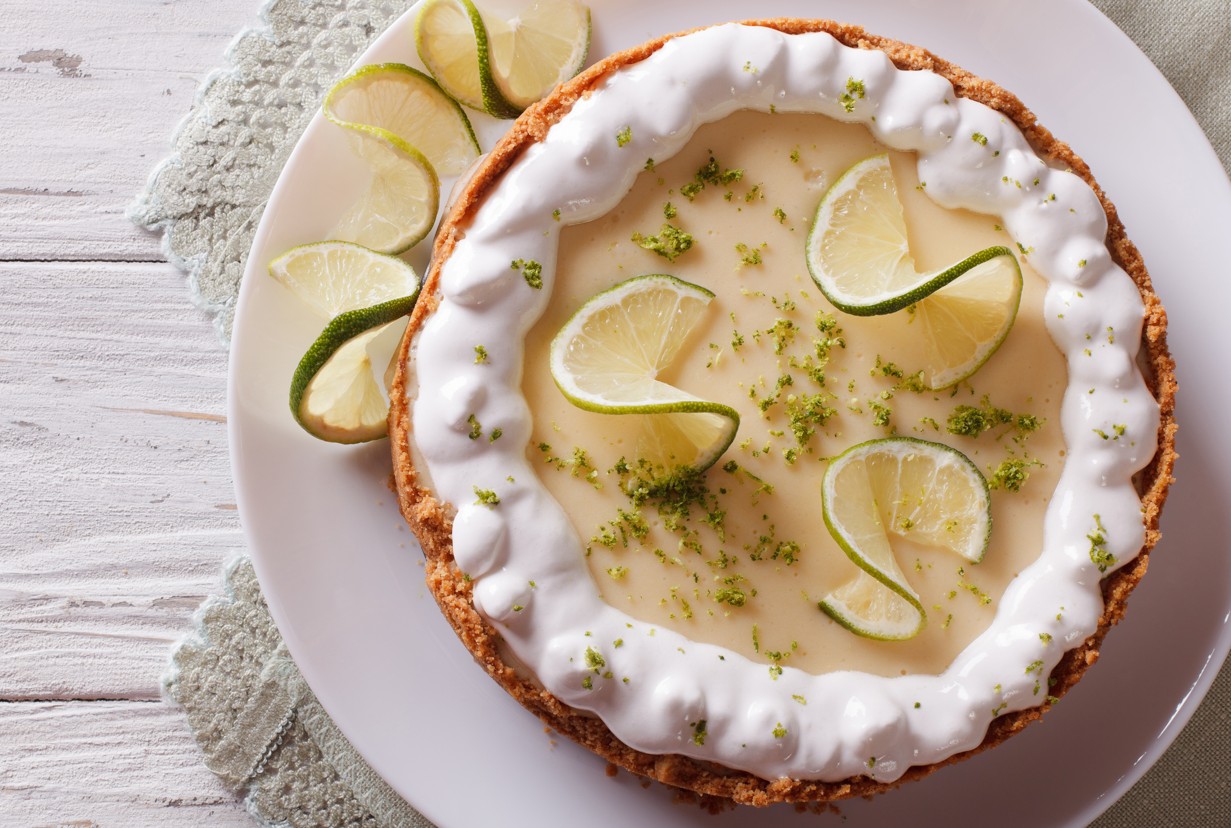
Key lime pie is the defining Florida dessert, balancing tart key lime juice with sweetness in a graham cracker crust, finished with whipped cream or meringue. The Cuban sandwich, or cubano, is another essential, built from roasted pork, ham, Swiss cheese, pickles, and mustard pressed on Cuban bread, reflecting Florida’s deep Cuban heritage.
Minorcan clam chowder, a north Florida specialty with a distinctive spicy kick from datil peppers, appears in select local restaurants. Citrus glazes are common across menus, applied to barbecue, seafood, and pastries alike. Stone crab claws, available seasonally, are a prized Florida luxury served chilled with mustard sauce.
Venezuelan arepas and empanadas have become everyday staples in Orlando’s dining landscape, while barbacoa-style slow-cooked meats appear frequently at weekend gatherings and casual eateries. Fried green tomatoes with remoulade reflect Southern roots adapted to Florida tastes, rounding out a set of dishes that feel both regional and multicultural.
Everyday Orlando and Central Florida Food
Daily eating in Orlando is shaped by flexibility and contrast. Breakfast might be a quick pastry and coffee, a Cuban cafecito with toast, or a full Southern spread of biscuits and gravy. Lunch is typically casual, often involving sandwiches, salads, or Latin cafeteria plates. Dinner varies widely, from early family meals to late-night theme park snacks and entertainment-driven dining.
The city’s food culture is organized around several parallel tracks: immersive theme park and resort restaurants, dependable local chains, Latin cafeterias serving Cuban, Puerto Rican, and Venezuelan comfort food, Southern meat-and-three spots, and a growing ecosystem of food halls and food trucks. Meals are generally casual and family-oriented. Service in tourist areas is polished and scripted, while local restaurants tend to feel relaxed and genuine. Sweet tea, local craft beer, tropical juices, and Cuban coffee are common accompaniments, and the overall pace is unhurried outside the busiest tourist corridors.
Cultural Fusion: Southern Foundations, Caribbean Influence, Global Tourism, and Modern Florida Identity
Orlando’s culinary foundation lies in Southern and Florida Cracker traditions, built on fried fish, grits, stews, and practical, ingredient-driven cooking. The most transformative influence arrived in the mid-twentieth century with Cuban exiles and Puerto Rican migrants, who established a strong Latin backbone that continues to shape everyday food culture.
The rise of the theme park economy layered in a simulated global dining experience, introducing world cuisines at massive scale, often adapted for broad appeal. In recent years, a new generation of chefs and entrepreneurs has begun synthesizing these influences into a distinct modern Floridian style. This results in an Orlando table where a Cracker-style catfish fry, a carefully made cubano, a theme park turkey leg, and a refined, contemporary take on key lime pie can all coexist within a short drive.
Craft Beverage Scene and Local Libations
Orlando’s beverage culture has grown rapidly, evolving into a lively craft beer city while retaining a strong Latin coffee tradition. Cuban coffee, especially the sweet, intense cafecito, is an everyday ritual across the city, available from walk-up windows and neighborhood cafés.
The local craft beer scene is extensive, with numerous breweries producing IPAs, sours, and experimental styles that pair well with Florida’s climate. Citrus-based wines and ciders made from local fruit highlight regional agriculture, while tiki-inspired rum cocktails play into the state’s tropical image. Sweet tea and fresh-squeezed orange juice remain staples, and theme park novelty drinks have become a category of their own. What truly distinguishes Orlando is the ease with which a quick cafecito can lead into an afternoon at a local brewery, blending deep-rooted tradition with contemporary craft culture.
International Dining and Contemporary Scene
Orlando supports one of the most diverse international dining scenes in the southeastern United States, driven by both tourism and established immigrant communities. Within the resort areas, visitors encounter elaborate and often expensive interpretations of global cuisines, from Japanese and Moroccan to Italian and pan-European concepts.
Beyond the parks, particularly along Colonial Drive and in neighborhoods such as Mills 50, the city reveals its most authentic side. Vietnamese pho, Korean barbecue, Brazilian steakhouses, Mexican taquerías, and Portuguese bakeries thrive in unassuming locations. A modern Floridian fine-dining scene is also emerging in areas like Winter Park and downtown, with menus centered on local seafood and produce. Orlando’s defining contrast lies in the proximity of spectacle and sincerity, offering travelers the rare chance to experience both immersive fantasy dining and deeply authentic global food at accessible prices.
Food Customs and Practical Tips
Dress in Orlando is extremely casual, even at higher-end resort restaurants, where neat shorts and collared shirts are widely accepted. Tipping between eighteen and twenty percent is standard. Reservations are essential for popular theme park restaurants, often required far in advance, and are recommended for in-demand local spots as well.
For a genuinely local experience, start with a Cuban sandwich and a cafecito at a long-standing neighborhood café, then explore the Mills 50 area for exceptional Asian and Latin American food. Visiting a local brewery in Ivanhoe Village offers insight into the city’s growing craft scene, while a character breakfast or themed dinner show delivers the quintessential Orlando tourist experience. Fresh Florida seafood is best enjoyed at long-established local institutions rather than inside the parks.
Different neighborhoods highlight different aspects of Orlando’s food culture. Disney Springs and International Drive concentrate themed and chain dining, Mills 50 and Colonial Town showcase authentic Asian and Latin cuisines, Winter Park offers upscale shopping and refined dining, Downtown Orlando and Thornton Park focus on cafés and modern restaurants, and the Audubon Park Garden District features local favorites and food halls. Balancing a meticulously themed meal with a simple, family-run ethnic restaurant captures Orlando at its most honest. Expect driving, as the city is sprawling, and embrace Orlando’s dual culinary spirit: enjoy the joyful fantasy of the parks, but make time to discover the vibrant, flavorful city that exists beyond them.
This guide covers what to eat in Orlando, from grouper sandwiches and Cuban cuisine to key lime pie, craft beer, and iconic theme park treats, helping you plan a culinary journey through one of Central Florida’s most diverse and surprising food destinations.
Check monthly weather averages for
Latest Secret Flying deals to Orlando
Non-stop from Atlanta to Orlando, Florida (& vice versa) for only $119 roundtrip
Non-stop flights from Atlanta to Orlando, Florida for only $119 roundtrip with Delta Air Lines. Also works in reverse.
View DealMexico City, Mexico to Orlando, Florida for only $274 USD roundtrip
Cheap flights from Mexico City, Mexico to Orlando, Florida for only $274 USD roundtrip.
View DealNon-stop from Madrid, Spain to Orlando, Florida for only €382 roundtrip
Non-stop flights from Madrid, Spain to Orlando, Florida for only €382 roundtrip with Iberia.
View Deal [adblockingdetector id="638efa67113bf"]