


Ottawa Food Guide
Food in Ottawa: What to Eat & Drink
Ottawa’s culinary landscape is a sophisticated, bilingual reflection of Canada’s capital, where political gravitas meets a vibrant, community-driven food scene shaped by Franco-Ontarian heritage, a strong farm-to-city supply chain, and a steady influx of global influences. As the seat of the federal government and a city straddling the Ontario–Quebec border, Ottawa has developed a food culture that is both polished and approachable, celebrating ingredients from the Ottawa Valley and the Outaouais while supporting an impressive range of independent restaurants, bakeries, and craft producers. Shaped by harsh winters, a history rooted in lumber and river trade, and a dual English-French identity, Ottawa’s cuisine blends Canadian comfort food, Québécois classics, and modern, ingredient-forward cooking that thrives in revitalized neighborhoods.
Core ingredients like maple syrup, pork, cheese, root vegetables, freshwater fish, and seasonal produce form the backbone of the region’s cooking. Dishes tend to be hearty and warming, with preservation and slow-cooking traditions that suit long winters, alongside French-Canadian touches in baking, sauces, and technique. Ottawa’s geography—anchored by the Ottawa, Rideau, and Gatineau rivers—adds both scenic beauty and a historical link to trade and migration. Its modern identity is often described as a “town that happens to run a country,” and the food scene reflects that: less about flash, more about consistent quality, community, and substance. From historic spots in the ByWard Market to contemporary bistros in Hintonburg and Westboro, Ottawa offers a quietly compelling culinary journey through the nation’s administrative heart.
Local Specialties of Ottawa
Ottawa sits at a crossroads of culinary regions, so its signature foods draw from both Ontario and Quebec. It is the definitive place to try Beavertails (Queues de Castor)—fried dough pastries stretched to resemble a beaver’s tail and topped with cinnamon sugar, chocolate-hazelnut spread, or maple butter, famously eaten during winter skating on the Rideau Canal. Poutine is ubiquitous, with countless variations ranging from classic gravy-and-curds to richer, chef-driven versions.
Shawarma is widely considered an unofficial Ottawa staple, thanks to a high density of Lebanese and Middle Eastern restaurants. A proper Ottawa-style shawarma often comes loaded with garlic sauce, pickles, turnip, and fries—fast, filling, and deeply local in practice if not origin. Maple syrup and sugarbush products from nearby Ontario and Quebec are seasonal essentials.
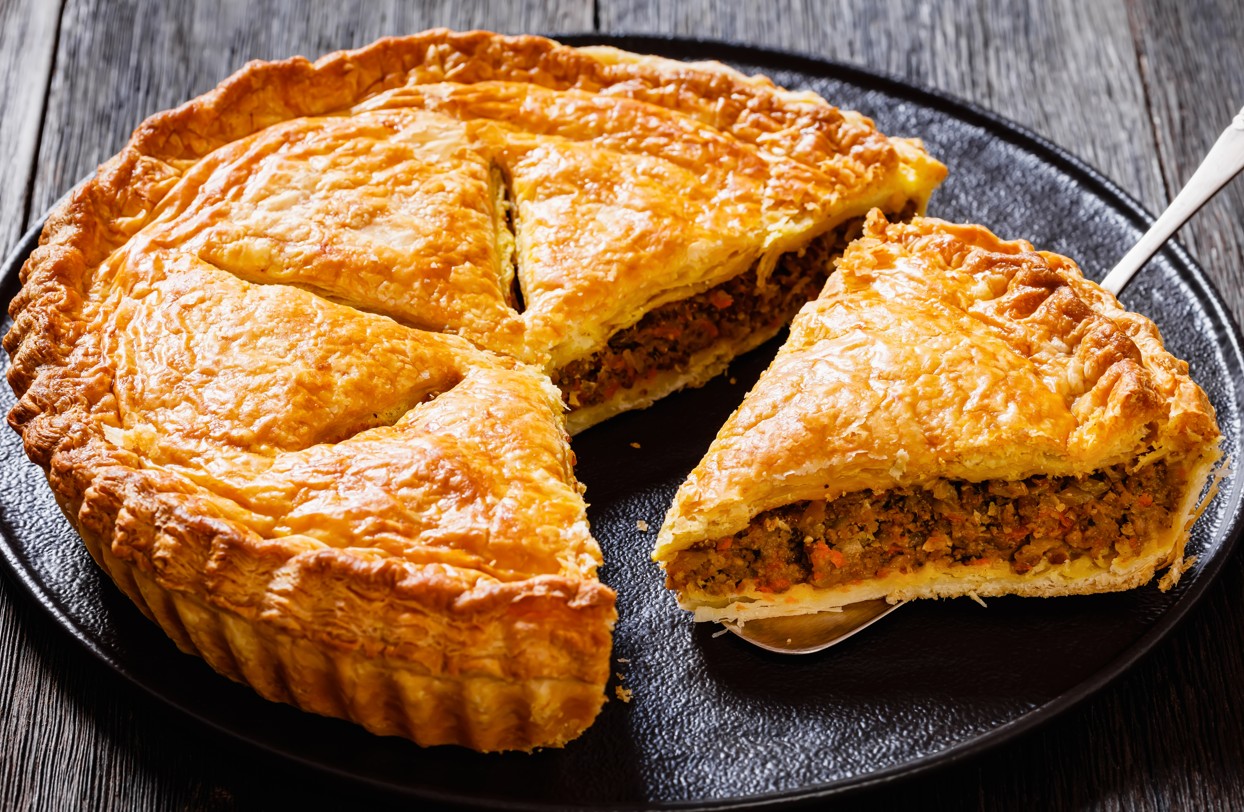
Other classics include tourtière (savory meat pie), especially popular around the holidays; peameal bacon (back bacon), often served on a bun or as a breakfast highlight; and butter tarts, a quintessential Canadian pastry. Freshwater fish—particularly pickerel (walleye)—appears in more traditional menus. For poutine purists, local cheese curds (notably from regional producers such as St-Albert) are a point of pride.
The city’s craft beer culture is also a defining feature, with an unusually strong concentration of respected breweries that have helped shape Ottawa’s contemporary food-and-drink identity.
Everyday Ottawa & Canadian Capital Food
Breakfast might be a hearty diner plate, a high-quality pastry and coffee from an independent bakery, or a brunch-focused spot with long weekend lines. Lunch is often practical and quick—sandwiches, shawarma, soups, or pub meals—reflecting a large public-service workforce and downtown office rhythm. Dinner ranges from relaxed neighborhood dining to more formal experiences suitable for hosting and political entertaining.
Coffee culture is strong, and Ottawa supports a robust network of independent cafés and roasters. Pub culture is central to social life, particularly in neighborhoods like the Glebe, Hintonburg, and along Bank and Elgin Streets. The ByWard Market remains a year-round hub for produce, specialty foods, casual bites, and nightlife.
Seasonality strongly shapes Ottawa’s eating habits: summer patio season is a major event, while winter emphasizes stews, braises, fondue-style comfort, and the uniquely Ottawa ritual of grabbing something hot and sweet after cold-weather activities. Festival periods can noticeably amplify the city’s street-food and pop-up offerings.
Cultural Fusion: French & English Foundations, Lebanese Influence & Capital-City Globalism
Ottawa’s food story begins with Ottawa Valley loggers’ and farmers’ fare, combining English meat pies and roasts with French-Canadian baking and hearty dishes that travel well through winter. The Franco-Ontarian presence helps keep Québécois staples in everyday rotation, rather than relegating them to tourist menus.
A significant wave of Lebanese immigration in the 1970s and 1980s reshaped Ottawa’s casual dining landscape and helped elevate shawarma into a core local habit. Meanwhile, embassies, international organizations, universities, and a highly educated population contribute steady demand for diverse and well-executed international cuisine.
The result is distinctly Ottawa: you can eat a classic butter tart, a properly made poutine, a shawarma platter, and a contemporary tasting menu built around local produce and foraged ingredients—often within a short walk or quick drive—without the city feeling like it is trying to prove anything.
Craft Beverage Scene and Local Libations
Ottawa’s beverage scene is one of its modern strengths, anchored by a nationally respected craft beer culture and complemented by a growing craft spirits and cider ecosystem. Local breweries span everything from hop-forward IPAs to lagers, saisons, and mixed-fermentation styles, with taprooms functioning as community hubs as much as drinking venues.
Ontario wine and cider (notably from Niagara and Prince Edward County) are widely featured on menus, while Quebec products also appear frequently due to proximity and cross-river movement. Specialty coffee is a major pillar of everyday life, with strong local roasters supporting cafés across the core neighborhoods. You will also see maple-forward liqueurs and seasonal cocktails during colder months.
What distinguishes Ottawa is the density of high-quality producers relative to the city’s size, and how seamlessly the craft scene integrates into daily neighborhood routines rather than feeling purely destination-driven.
International Dining and Contemporary Scene
Ottawa’s status as a capital city supports a broad international dining ecosystem, including strong Vietnamese, Indian, Italian, Ethiopian, and Japanese options, often clustered in recognizable neighborhood pockets. The contemporary scene has also matured, with chefs increasingly focused on regional sourcing, seasonal menus, and refined technique without unnecessary formality.
Modern Canadian dining in Ottawa tends to emphasize local vegetables, dairy, and meats, sometimes incorporating foraging from nearby green spaces. The city’s best restaurants often sit between worlds: French technique with Canadian ingredients, casual rooms with serious cooking, and menus that change frequently while still feeling approachable.
That said, the soul of Ottawa remains in its markets, pubs, shawarma counters, bakeries, and neighborhood bistros—places where quality is consistent and the atmosphere is unforced.
Food Customs and Practical Tips
Dining in Ottawa is generally relaxed and polite, with professional service and a casual-to-smart-casual dress norm for most places. Tipping is standard (typically 15–20% for table service). Reservations are recommended for popular restaurants, weekend brunch, and during major festival periods.
For a quintessential Ottawa experience, eat a Beavertail (ideally in winter), and make time for a proper local shawarma. Spend time in the ByWard Market for browsing and grazing, and consider crossing the river into Gatineau for a more Quebec-forward dining and drinking vibe. If you are visiting seasonally, align plans with patio months or winter festival programming, as the city’s food energy shifts noticeably with the weather.
Explore different areas: ByWard Market for high density and historic atmosphere; Hintonburg and Westboro for chef-driven spots, cafés, and boutiques; The Glebe for classic pubs and neighborhood favorites; and Little Italy (Preston Street) for heritage dining and contemporary Italian-leaning restaurants. Try both a long-standing institution and a modern brewery taproom to understand the city’s balance of tradition and quiet reinvention.
This guide covers what to eat in Ottawa, from Beavertails and poutine to shawarma, tourtière, and Ottawa Valley specialties. Use it to plan your culinary exploration of Canada’s elegant and underrated capital.
Check monthly weather averages for
Latest Secret Flying deals to Ottawa
Non-stop from London, UK to Ottawa, Canada for only £334 roundtrip
Non-stop flights from London, UK to Ottawa, Canada for only £334 roundtrip.
View DealNon-stop from London, UK to Canadian cities from only £329 roundtrip
Non-stop flights from London, UK to Canadian cities from only £329 roundtrip with Air Canada.
View DealNon-stop from Calgary, Canada to Ottawa for only $181 CAD roundtrip
Non-stop flights from Calgary, Canada to Ottawa for only $181 CAD roundtrip with Air Canada.
View Deal [adblockingdetector id="638efa67113bf"]