


Pittsburgh Food Guide
Food in Pittsburgh: What to Eat & Drink
Pittsburgh’s culinary landscape is a hearty, blue-collar, and surprisingly innovative reflection of its history as America’s steel city, where Eastern European immigrant traditions, working-class comforts, and a new wave of culinary creativity converge in a city of resilient neighborhoods and dramatic topography. As the former “Steel Capital of the World” and now a hub for education, medicine, and technology, Pittsburgh has developed a food culture that is fiercely proud of its unique dishes, deeply communal, and built on a foundation of substantial, satisfying fare designed to fuel a hard day’s work. Shaped by its position at the confluence of three rivers, waves of immigration from Central and Eastern Europe, and its dramatic post-industrial transformation, the city’s cuisine is a compelling mix of iconic sandwiches, pierogies, and a modern farm-to-table movement that celebrates Western Pennsylvania’s bounty.
Core ingredients like cabbage, potatoes, onions, beef, pork, and dough form the foundation of Pittsburgh’s classic dishes, which are characterized by their heartiness, clever use of inexpensive ingredients, and a distinct preference for frying and piling ingredients high. Pittsburgh’s geography of steep hills and river valleys created isolated, tight-knit neighborhoods, each with its own ethnic eateries and taverns. Its identity is one of grit, determination, and neighborly loyalty, which translates directly to its food: unpretentious, generous, and built for sharing. From iconic sandwich shops in the Strip District to modern bistros in Lawrenceville, Pittsburgh offers a flavorful journey through one of America’s most underrated food cities.
Local Specialities of Pittsburgh
Pittsburgh is the undisputed home of the Primanti Brothers Sandwich, an iconic, no-frills creation featuring grilled meat, melted cheese, coleslaw, and French fries stacked directly between two slices of Italian bread. Invented for truckers who had no time for plates, it remains the city’s most famous food symbol. The Pittsburgh Salad takes the idea of a salad and Pittsburgh-izes it: lettuce topped with French fries, grilled meat, cheese, and hearty dressings.
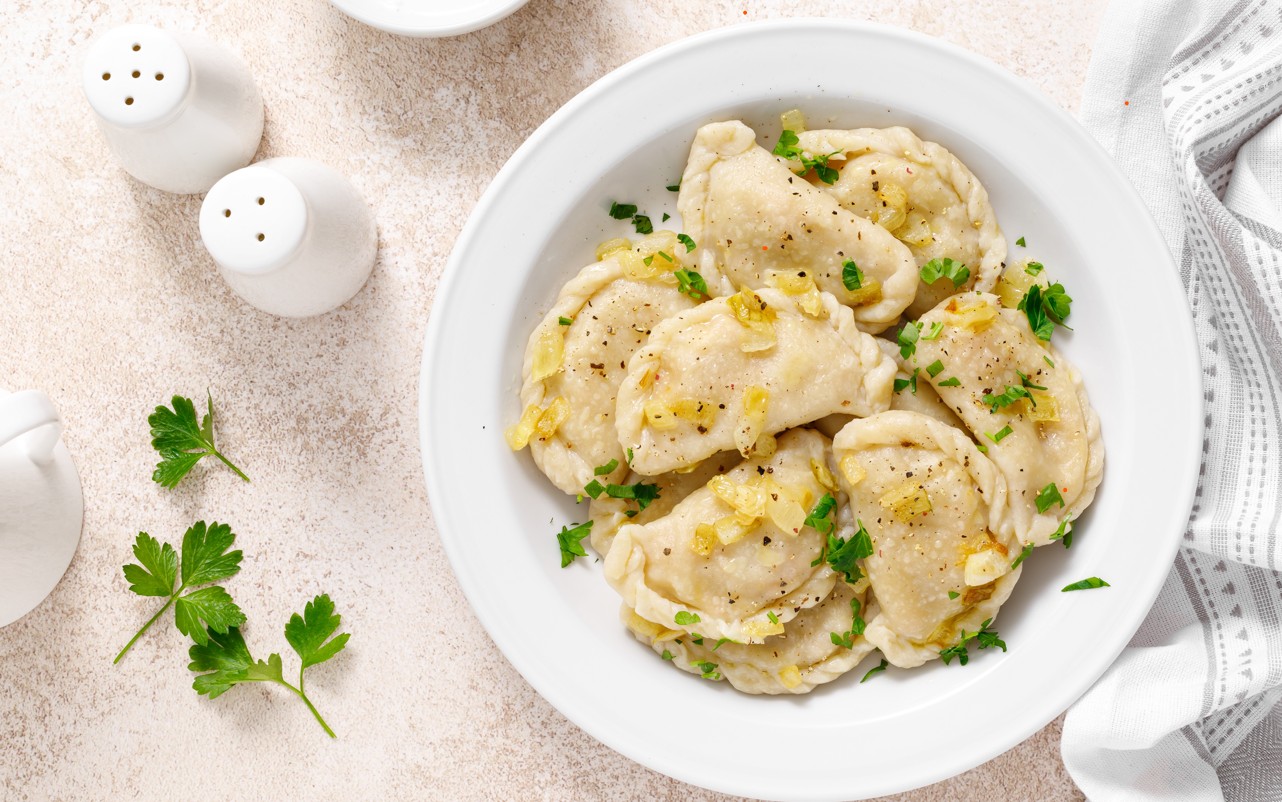
Pierogies are a civic treasure, reflecting the city’s Eastern European roots. These dumplings, usually filled with potato and cheese, are boiled or fried and served with onions and sour cream at churches, festivals, and dedicated restaurants. City Chicken, a Depression-era invention, consists of cubes of pork or veal skewered, breaded, and fried to resemble a drumstick. Kielbasa and other smoked sausages are staples from Pittsburgh’s Polish communities. Haluski, a comforting dish of fried cabbage and egg noodles, is common at family tables. Pepperoni Rolls, a West Virginia-born snack adopted locally, are soft rolls stuffed with pepperoni. Chipped Chopped Ham, thinly sliced processed ham often served with barbecue sauce, is a nostalgic sandwich favorite. The city also boasts an excellent craft beer scene, with breweries such as Church Brew Works and Dancing Gnome leading the way.
Everyday Pittsburgh & Western Pennsylvania Food
Breakfast often means a hearty diner plate or a pepperoni roll grabbed on the go. Lunch is commonly a sandwich from a deli, market, or neighborhood bar. Dinner ranges from traditional ethnic restaurants to contemporary American kitchens focused on local sourcing.
Bar and pub culture is central to everyday life, with many neighborhood taverns serving affordable, satisfying food. Community festivals like pierogi celebrations and neighborhood food events are deeply ingrained in the city’s culture. The Strip District remains a vital food destination, packed with markets, specialty grocers, and prepared foods from around the world. Pittsburgh’s food culture is seasonal and communal, with generous portions and a strong emphasis on comfort.
Cultural Fusion: Eastern European Roots, Italian & German Communities, Appalachian Influence
Pittsburgh’s culinary identity was shaped by immigrants from Poland, Slovakia, Ukraine, and neighboring regions, who brought pierogies, sausages, and cabbage-based dishes. Italian communities added bakeries, red-sauce restaurants, and sandwich traditions, while German influence contributed pretzels and smoked meats.
The city’s proximity to Appalachia reinforced a love of fried foods, preserved meats, and simple preparations. These traditions developed alongside the steel industry’s demanding labor culture, creating a cuisine built for sustenance and satisfaction. The result is a uniquely Pittsburgh table where pierogies, fry-topped salads, and oversized sandwiches are celebrated as expressions of local pride.
Craft Beverage Scene and Local Libations
Pittsburgh has one of the strongest craft beer scenes in the United States, with a dense concentration of breweries producing everything from traditional lagers to hop-forward IPAs. Beer culture is both historic and cutting-edge.
Rye whiskey has deep roots in Western Pennsylvania, and local distilleries such as Wigle Whiskey have revived the tradition. Iron City and IC Light remain iconic blue-collar lagers. Craft cocktail bars have flourished in revitalized neighborhoods, while non-alcoholic staples include local iced teas and regional soft drinks. What sets Pittsburgh apart is the passion for both innovative craft beverages and nostalgic local brands.
International Dining and Contemporary Scene
Pittsburgh’s universities and immigrant communities support a diverse international dining scene, with excellent Vietnamese, Thai, Indian, Ethiopian, Middle Eastern, and Asian cuisines found throughout the city.
Modern American and New Appalachian cooking has emerged strongly in neighborhoods like Lawrenceville and Bloomfield, where chefs focus on regional farms and seasonal ingredients. Still, the soul of Pittsburgh dining remains in pierogi houses, ethnic clubs, historic taverns, and classic sandwich shops. The city’s food story balances deep respect for tradition with an openness to evolution.
Food Customs and Practical Tips
Dining in Pittsburgh is casual and welcoming. Service is friendly, and tipping 18–20% is standard. Portions are typically generous.
Trying a Primanti Bros. sandwich is essential, ideally at the original location in the Strip District. Pierogies are best enjoyed with sour cream and fried onions. Visit the Strip District on a weekend morning for markets, samples, and local atmosphere. For the most authentic experiences, eat in neighborhood areas outside downtown.
Explore key areas such as the Strip District for markets and iconic foods, Lawrenceville for modern dining and breweries, Bloomfield for Italian-American classics, and Squirrel Hill for Jewish delis and international cuisine. Combine a historic institution with a contemporary restaurant or brewery to understand the city’s range. Be prepared for hills and bridges, which are part of Pittsburgh’s character. The city offers excellent value and deeply satisfying food. Above all, embrace Pittsburgh’s culinary spirit: hearty, communal, and full of character.
This guide covers what to eat in Pittsburgh, from Primanti sandwiches and pierogies to Pittsburgh salads, city chicken, and classic Yinzer comfort food. Use it to plan your culinary exploration of one of America’s most resilient and flavorful cities.
Check monthly weather averages for
Latest Secret Flying deals to Pittsburgh
Non-stop from Chicago to Pittsburgh (& vice versa) for only $137 roundtrip
Non-stop flights from Chicago to Pittsburgh for only $137 roundtrip with United Airlines. Also works in reverse.
View DealCancun, Mexico to Pittsburgh, USA for only $297 USD roundtrip
Cheap flights from Cancun, Mexico to Pittsburgh, USA for only $297 USD roundtrip with Aeromexico and Delta Air Lines.
View DealSan Diego to Pittsburgh (& vice versa) for only $167 roundtrip
Cheap flights from San Diego to Pittsburgh for only $167 roundtrip with Alaska Airlines. Also works in reverse.
View Deal [adblockingdetector id="638efa67113bf"]