


San José, Costa Rica Food Guide
Food in San José, Costa Rica: What to Eat & Drink
San José’s culinary landscape is a warm, humble, and steadily evolving expression of Costa Rica’s Central Valley heart, where Spanish colonial foundations, indigenous Chorotega and Huetar influences, and the bounty of fertile volcanic soil converge to create a dining culture defined by comforting simplicity, fresh ingredients, and the easygoing spirit of pura vida. As the political and cultural capital of Costa Rica, shaped by coffee wealth, banana plantations, and later eco-tourism and globalization, San José developed a food culture that remains deeply rooted in comida típica while slowly embracing broader international influences. Life revolves around the neighborhood soda (family-run eatery), the morning ritual of gallo pinto, bustling markets, and a growing appreciation for Costa Rica’s own culinary identity. Food here is about nourishment, balance, and hospitality rather than excess or spectacle.
Core ingredients reflect the fertile Central Valley and Costa Rica’s campesino heritage: rice and black beans, inseparable companions at nearly every meal; plantains, green and ripe; corn for tortillas and drinks; fresh cheeses such as queso fresco and queso palmito; chicken, pork, and beef; root vegetables like yuca and ñame; aromatic staples including cilantro, onion, chile dulce (sweet pepper), and culantro coyote; and an abundance of tropical fruits such as mango, pineapple, papaya, and passion fruit. Dishes are mild, savory, and subtly sweet, focusing on balance and freshness rather than heat or heavy seasoning. From a Formica table in a market stall to a stylish café in Barrio Escalante, eating in San José is a journey through tradition, family, and the gentle flavors of the tropics.
Local Specialties of San José
San José’s most iconic dishes form the backbone of Costa Rican home cooking. Gallo Pinto is the national breakfast: rice and black beans sautéed with onion, sweet pepper, and cilantro, typically served with eggs, tortillas, and natilla (sour cream).
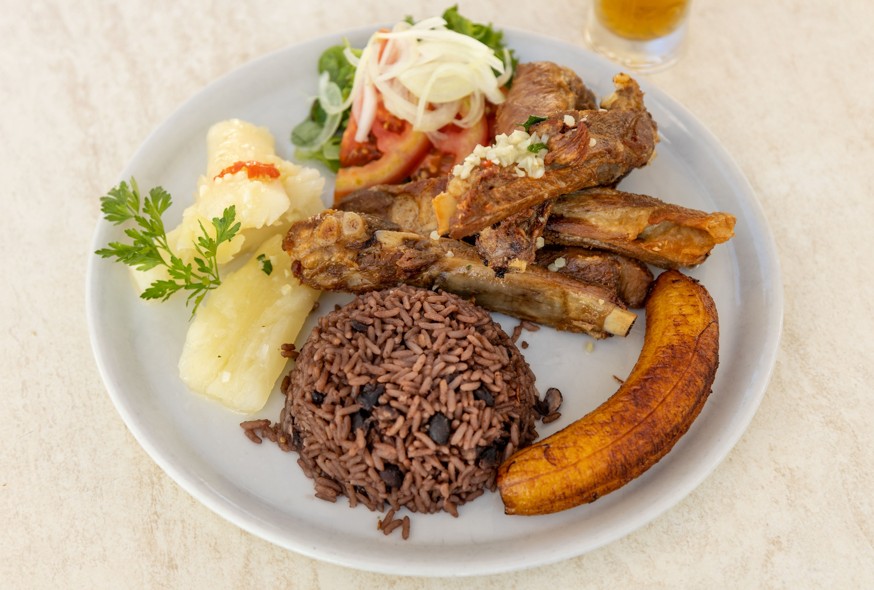
Casado is the quintessential lunch plate. Meaning “married man,” it represents a balanced union of rice, beans, a protein such as chicken, fish, beef, or pork, a small salad, fried ripe plantains (maduros), and often a tortilla or picadillo (finely chopped vegetable hash).
Olla de Carne is a comforting beef and vegetable soup traditionally enjoyed on Sundays. Chifrijo, a beloved Central Valley bar snack, layers rice and beans with crispy pork (chicharrón) and fresh pico de gallo. Arroz con Pollo is a festive staple of yellow rice cooked with chicken and vegetables. Tamales, wrapped in banana leaves, are especially important during Christmas, while Tres Leches cake is the most common dessert nationwide.
Everyday San José & Costa Rican Food
Breakfast is filling and dependable, built around gallo pinto. Lunch (almuerzo) is the most substantial meal of the day, often a casado eaten at a soda. The afternoon cafecito break is nearly sacred, while dinner is lighter, sometimes leftovers or a simple sandwich. Daily food culture centers on the soda, the Mercado Central, neighborhood bakeries, and casual cafeterias.
Meals are informal, practical, and family-oriented. Service is friendly but efficient rather than theatrical. Drinks commonly include fresh fruit juices (frescos naturales), agua dulce made from cane sugar, local coffee, or a simple lager. Eating in San José is about comfort, nourishment, and conversation rather than lingering extravagance.
Cultural Fusion: Indigenous Roots, Spanish Influence & Modern Contact
The culinary foundation of San José lies in indigenous corn-based cooking, complemented by beans and squash. Spanish colonization introduced rice, livestock, and frying techniques, while Caribbean influence added coconut and more aromatic preparations, particularly visible in rice-and-beans dishes from the coast.
Nicaraguan influence overlaps naturally, especially in shared staples like gallo pinto. Modern tourism and globalization have expanded the range of cuisines available, but the underlying philosophy remains constant: fresh ingredients, simple preparation, and food that sustains daily life.
Craft Beverage Scene and Local Libations
San José’s beverage culture is understated yet anchored by one world-class product: Costa Rican coffee. Beans from regions like Tarrazú are internationally respected, and the traditional café chorreado, filtered through a cloth sock, remains iconic.
Frescos naturales made from blended fresh fruit are enjoyed daily, while agua dulce offers a comforting, lightly sweet hot drink. Local beers such as Imperial and Pilsen dominate casual dining. Guaro, a clear sugarcane spirit, is commonly mixed into simple cocktails. What defines San José is not indulgence but ritual: the afternoon coffee, the fruit juice with lunch, and the easy rhythm of everyday refreshment.
International Dining and Contemporary Scene
As Costa Rica’s capital, San José hosts the country’s most diverse international dining scene, including Peruvian, Argentine, Italian, Chinese, and Spanish restaurants. In recent years, Barrio Escalante has emerged as the center of a modern food movement, often called “GastroCalle,” filled with bistros, craft beer bars, and creative kitchens.
A small but growing “New Costa Rican Cuisine” movement seeks to reinterpret traditional ingredients with modern techniques, though the city’s culinary soul still lives in its sodas and markets. For visitors, San José offers both authentic everyday meals and a glimpse of how Costa Rican cuisine is gradually redefining itself.
Food Customs and Practical Tips
Dress is casual almost everywhere. Tipping of around 10 percent is appreciated but not always required; many bills include a service charge. Lunch is the main meal, and many sodas close by late afternoon.
For an authentic experience, eat gallo pinto for breakfast and a casado for lunch at a busy soda. Visit the Mercado Central for classic market food, try chifrijo at a local bar, and explore Barrio Escalante in the evening for contemporary dining. Be prepared for mild seasoning; condiments like salsa Lizano or house-made chilera are always available.
This guide covers what to eat in San José, Costa Rica, from gallo pinto and casado to chifrijo, olla de carne, and world-class Costa Rican coffee. Use it to plan your culinary journey through the heart of the Central Valley.
 [adblockingdetector id="638efa67113bf"]