


Santa Cruz Food Guide
Food in Santa Cruz, Bolivia: What to Eat & Drink
Santa Cruz de la Sierra’s culinary landscape is a tropical, hearty, and proudly distinct expression of Bolivia’s eastern lowlands, where Guaraní and Chiquitano indigenous traditions, Spanish colonial influences, and a booming agricultural frontier converge to create a cuisine defined by abundance, heat, and generous hospitality. As Bolivia’s largest and fastest-growing city, Santa Cruz has developed a food culture that feels markedly different from the highland Andes, embracing its identity as the country’s economic engine and gateway to the Amazon basin. Shaped by a sweltering climate, vast cattle ranches, and waves of internal migration from the Altiplano, Cruceño cuisine celebrates grilled meats, rice, yucca (mandioca), tropical fruits, and picante punch, served with a relaxed, open-air conviviality that matches the city’s energetic optimism. This is a place where food is social glue, where fixed-price lunches feed the workforce, and where flavors are as bold and warm as the Santa Cruz sun.
Core ingredients include beef, chicken, rice, yucca (mandioca), plantains, corn, queso criollo (local fresh cheese), and a rainbow of tropical fruit such as mango, papaya, maracuyá (passion fruit), and guayaba (guava). Dishes tend to be generous and robust, leaning savory and spicy, with a love of open-fire grilling (asado) and slow-cooked stews. Santa Cruz sits in the fertile Llanos Orientales, with pastureland for cattle, fields of soy and rice, and access to Amazonian ingredients. From a shaded patio serving majao to a bustling market stall selling salteñas and fried snacks, eating here is a flavorful introduction to the vibrant, lowland heart of Bolivian cuisine.
Local Specialties of Santa Cruz
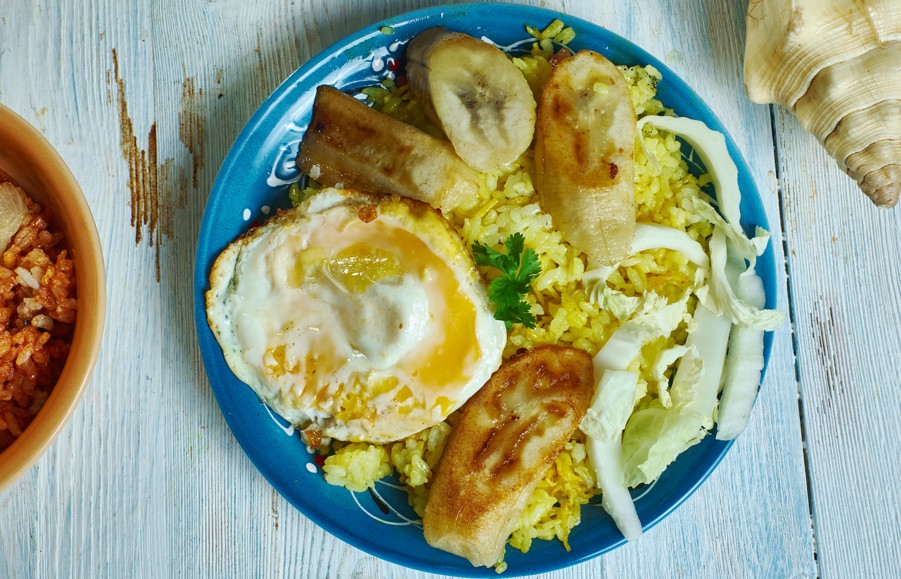
Santa Cruz’s signature dishes are hearty, satisfying, and built for the tropical lowlands. Majao (also written majadito) is the quintessential Cruceño dish: a savory rice preparation cooked with shredded charque (dried beef) or chicken, typically topped with a fried egg and served with fried plantains. Some versions, such as majao batido, are looser and more stew-like.
Locro is a rich, comforting pumpkin or squash soup, often made with chicken, rice, and cheese. Sonso is a beloved yucca-and-cheese cake that is grilled or baked until golden. Masaco is a simple, deeply satisfying mash of green plantain or yucca mixed with charque, traditionally pounded together for texture.
Churrasco is a major local ritual: large mixed-grill platters featuring beef, sausage, chicken, and sometimes offal, served with yucca, rice, and plantains. Pique a lo Macho is a dramatic, shareable heap of sliced beef and sausage with onions, peppers, tomatoes, and boiled eggs over fries, finished with spicy llajua. Street and bakery staples include empanadas de queso (fried cheese empanadas) and cuñapé, small chewy cheese rolls made with yucca flour, eaten at breakfast or as a snack. For comfort food, patasca (a hominy-and-meat soup, often with pork) is especially popular, and lechón (slow-roasted suckling pig) appears on weekends and festive tables.
Everyday Santa Cruz & Lowland Bolivian Food
Breakfast is often light and carb-forward: coffee with cuñapé, or humintas (corn tamales), sometimes sweet. Lunch (almuerzo) is the main event and often the best value meal in town. Many people eat an almuerzo ejecutivo: a fixed-price, multi-course lunch that typically begins with soup and ends with a substantial main of meat, rice, salad, and sometimes a drink. Dinner is usually lighter, but weekends lean social, with long, leisurely asados among family and friends.
The culture of the churrasquería (grill house), market comedores (food courts), and open-air patio restaurants and cervecerías is central. The daily rhythm is shaped by the heat: a big midday meal followed by rest makes practical sense. Service is generally friendly and informal. Almost always on the table is llajua, a fresh, punchy salsa made with hot peppers and tomato; it is the essential Cruceño finishing touch.
Cultural Fusion: Indigenous Foundations, Spanish Ranching Culture & Highland Migration
Santa Cruz cuisine has deep indigenous roots in Guaraní and Chiquitano foodways, visible in the foundational use of yucca, corn, and tropical produce. Spanish colonization introduced cattle ranching, rice, and citrus, which thrived in the lowlands and helped define the region’s meat-forward identity.
In more recent decades, migration from Bolivia’s highlands added new layers, including dishes and street snacks that have been adopted and adapted in a Cruceño context. The result is a table where indigenous staples meet ranch culture and modern city appetite, producing food that is often spicier, meatier, and more tropical than the better-known Andean cuisine of western Bolivia.
Craft Beverage Scene and Local Libations
Santa Cruz’s beverage culture is built for the heat. Beer is central to social life, often served ice-cold and shared alongside grilled meats. Singani, Bolivia’s national grape spirit, powers the classic chuflay (singani with ginger ale and citrus), a common evening order.
Traditional options include chicha (fermented corn drink), while fresh jugos (fruit juices) are abundant and often blended with milk or water. You may also encounter regional sweet drinks like mocochinchi, made by simmering dried peaches with warming spices. What defines Santa Cruz is the simple ritual: an ice-cold drink, shared plates, and long, social meals that stretch into the evening.
International Dining and Contemporary Scene
As a booming business hub, Santa Cruz has an expanding international restaurant ecosystem, from Chinese-style eateries to Brazilian steakhouses and global casual dining, reflecting its increasingly cosmopolitan population.
A small contemporary scene is emerging, with some chefs modernizing presentation and technique. Still, the soul of Santa Cruz dining remains proudly traditional: churrasquerías, market comedores, and family-run lunch spots serving reliable, generous classics. For visitors, the city offers an authentic, flavorful introduction to lowland Bolivia at its most abundant and welcoming.
Food Customs and Practical Tips
Dining in Santa Cruz is casual, generous, and social. Tipping is appreciated but not always expected; rounding up or leaving 5–10% is typically fine. Lunch is usually the best-value meal to eat out, and sharing large platters is common.
Do not miss a fixed-price almuerzo; it is both excellent value and a cultural staple. Try llajua, but approach cautiously if you are sensitive to heat. For traditional atmosphere, look for palapa-style or garden churrasquerías, and spend time in markets such as Mercado Los Pozos or Mercado La Ramada for a direct view into everyday eating.
This guide covers what to eat in Santa Cruz, Bolivia, from majao and locro to churrasco, cuñapé, and lowland classics. Use it to plan your culinary exploration of Bolivia’s tropical east.
 [adblockingdetector id="638efa67113bf"]