


Sharjah Food Guide
Food in Sharjah: What to Eat & Drink
Sharjah’s culinary landscape is a deeply traditional, family-oriented, and culturally authentic expression of Emirati heritage. Here, Bedouin survival cooking, coastal fishing traditions, and the spice routes of the Indian Ocean converge to create a cuisine defined by earthy flavors, aromatic spices, and communal generosity. As the cultural capital of the UAE and its most conservative emirate, Sharjah has developed a food culture that actively preserves Emirati culinary traditions, guided by Islamic principles, strong family values, and deep respect for the frugal ingenuity of pre-oil life.
Shaped by its desert environment, its Arabian Gulf coastline, and its role as a guardian of Arab identity, Sharjah’s cuisine celebrates slow-cooked meats, fragrant rice, dates, cardamom-scented coffee, and fresh seafood, all served with the legendary hospitality, or karam, that defines Gulf Arab culture. This is a city where food is inseparable from history, where recipes are inherited through generations, and where dining is a meaningful act of preserving national identity amid rapid modernization.
Local Specialties of Sharjah
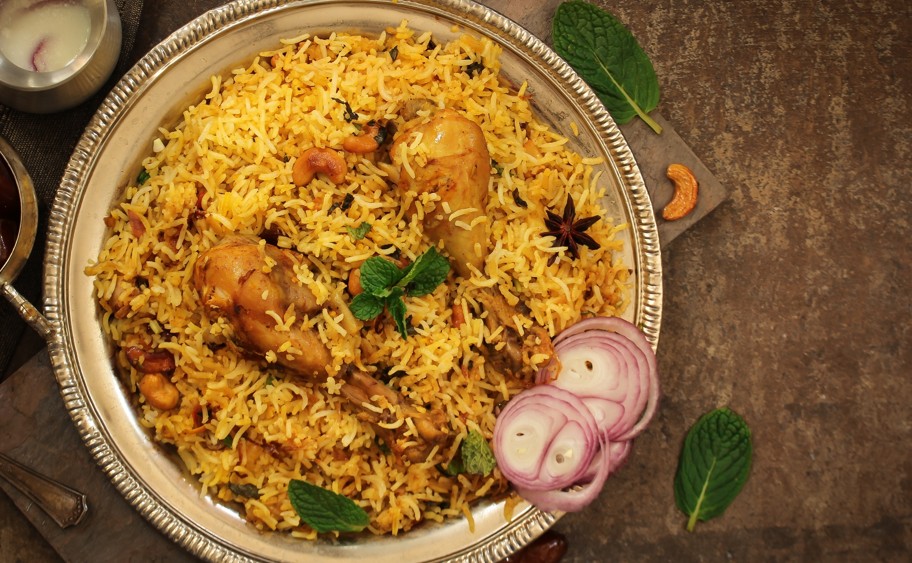
Sharjah’s most iconic dishes form the foundation of Emirati home cooking. Machboos, also known as kabsa, is the national dish: fragrant rice, often tinted yellow with turmeric or saffron, cooked with tender lamb, chicken, or fish and perfumed with cardamom, cinnamon, and dried lime.
Harees is a cherished dish made from boiled cracked wheat and meat, usually chicken or lamb, beaten into a smooth, porridge-like consistency and traditionally enjoyed during Ramadan and festive occasions. Thareed is a savory bread and meat stew in which thin regag bread or regular flatbread soaks up a richly spiced broth with vegetables and meat. Madrooba is a coastal specialty, a salty porridge of mashed fish and rice. Majboos samak refers specifically to fish machboos, commonly prepared with hamour or kingfish.
Other staples include saloona, a comforting vegetable and meat stew lighter than machboos and served with rice; luqaimat, sweet deep-fried dough balls drizzled with date syrup or honey; and balaleet, a distinctive sweet-and-savory breakfast of vermicelli cooked with sugar, cardamom, and rose water, topped with an omelet. Chabab, Emirati pancakes flavored with saffron and cardamom, are commonly served at breakfast, while fresh dates paired with Arabic coffee remain the ultimate gesture of welcome.
Everyday Sharjah & Emirati Food
Breakfast often consists of balaleet, chabab, or eggs served with cheese and bread. Lunch is traditionally the main meal of the day, featuring a large shared platter of machboos or harees enjoyed with family, often after the midday prayer. Dinner tends to be lighter, consisting of leftovers or simple sandwiches. The Friday family lunch is a particularly important weekly ritual.
The culture of the home and the family majlis lies at the heart of Emirati dining, and eating out is less central than in Dubai or Abu Dhabi. Traditional Emirati restaurants, often connected to heritage centers or hotels, and Lebanese or Syrian restaurants due to cultural proximity, make up much of the public dining scene. Meals are communal, with dishes placed at the center of the table and typically eaten with the right hand. The rhythm of eating follows prayer times and the Islamic calendar, with special dishes prepared for Ramadan and Eid. Hospitality is paramount, and guests are always offered the best food available.
Cultural Fusion: Bedouin Survival, Coastal Bounty & Indian Ocean Spice Trade
Sharjah’s cuisine is rooted in the resourceful cooking of Bedouin desert life, where dishes such as harees and thareed extract maximum nourishment from limited ingredients. Coastal communities contributed fish and seafood preparations, while the defining layer of flavor came from ancient spice trade routes that passed through the Gulf, introducing cardamom, saffron, turmeric, and cinnamon from India and beyond.
These influences were refined in family kitchens over generations, producing a cuisine that is both hearty and aromatic. While modern Sharjah has absorbed broader Levantine influences such as shawarma and mezze, its food culture remains the most dedicated in the UAE to preserving authentic, labor-intensive Emirati dishes, treating them as an essential part of living heritage.
Craft Beverage Scene and Local Libations
Sharjah’s beverage culture is traditional and entirely non-alcoholic, in line with the emirate’s conservative Islamic laws, which prohibit alcohol. Arabic coffee, or gahwa, is central to daily life: lightly roasted coffee beans flavored with cardamom and served in small handle-less cups as a symbol of hospitality.
Karak chai is the most popular street drink, a strong black tea boiled with evaporated milk, sugar, and spices such as cardamom and saffron. Fresh fruit juices are widely available, as is labaan, a refreshing salted yogurt drink. Jellab, made from dates, grape molasses, and rose water and topped with pine nuts, is another traditional favorite. Vimto, a sweet berry-flavored soda, is especially popular during Ramadan, while fresh coconut water is sold at roadside stalls. What distinguishes Sharjah is the ritual of serving gahwa, the daily karak chai break, and the abundance of fresh juices enjoyed in the heat.
International Dining and Contemporary Scene
Thanks to its large expatriate population, Sharjah offers a wide range of international dining, particularly excellent Indian cuisines from Kerala and Hyderabad, as well as Pakistani, Filipino, and Levantine restaurants that cater to its diverse communities.
Modern Emirati or experimental fusion cuisine is rare in public restaurants, with most innovation occurring in private homes or hotel kitchens aimed at visitors. The public soul of Sharjah’s dining scene lies in its traditional Emirati restaurants, its vibrant and affordable South Asian eateries, and its casual shawarma and falafel shops. The emphasis is on authenticity, community, and value rather than trends. For visitors, Sharjah provides a rare opportunity to experience some of the UAE’s most authentic Emirati food alongside outstanding regional Asian cuisine in a grounded, less commercial environment.
Food Customs and Practical Tips
Dining etiquette is important. Always eat with your right hand, and politely accept offers of coffee or dates. Modest dress is expected when dining out, and public displays of affection are discouraged. Tipping is not mandatory, but around 10 percent is appreciated in sit-down restaurants.
For authentic Emirati food, seek out dedicated local restaurants and heritage-area dining. Visit the Central Souq not only for shopping but also for its cafeterias serving simple local meals, and try karak chai from a roadside stall. Be aware that many smaller restaurants close between afternoon and evening prayers. During Ramadan, it is important to respect fasting by avoiding eating or drinking in public during daylight hours.
Explore different neighborhoods for varied experiences: Al Majaz and the Corniche for waterfront dining, Al Qasimia and Al Nahda for excellent budget-friendly South Asian food, and the University City area for diverse, student-oriented eateries. Try both a traditional Emirati restaurant and a bustling Pakistani dhaba, or consider a cultural tour that includes an Emirati meal. Dining in Sharjah is notably more affordable than in Dubai, offering exceptional value. Most importantly, embrace Sharjah’s culinary spirit: traditional, generous, deeply flavorful, and rooted in genuine hospitality, offering a true taste of Emirati home cooking and the rich mosaic of its expatriate communities.
This guide covers what to eat in Sharjah, from machboos and harees to luqaimat, balaleet, and classic Emirati dishes, helping you plan a meaningful culinary exploration of the UAE’s cultural heart.
Check monthly weather averages for
Latest Secret Flying deals to Sharjah
Sofia, Bulgaria to Sharjah, UAE for only €222 roundtrip
Cheap flights from Sofia, Bulgaria to Sharjah, UAE for only €222 roundtrip.
View DealNon-stop from European cities to Sharjah, UAE from only €277 roundtrip
Non-stop flights from European cities to Sharjah, UAE from only €277 roundtrip.
View DealNon-stop from Goa, India to Sharjah, UAE for only $272 USD roundtrip
Non-stop flights from Goa, India to Sharjah, UAE for only $272 USD roundtrip.
View Deal [adblockingdetector id="638efa67113bf"]