


St. Petersburg Food Guide
Food in St. Petersburg: What to Eat & Drink
St. Petersburg’s culinary landscape is an elegant, imperial, and culturally rich expression of Russia’s historic window to the West. Russian peasant traditions, French court cuisine, Scandinavian influences, and the legacy of Soviet communal dining converge to create a food culture defined by the tension between austere comfort and aristocratic refinement. Founded by Peter the Great as a European-facing capital meant to rival the great courts of the continent, St. Petersburg developed a cuisine shaped as much by ambition and art as by climate and necessity.
Governed by a harsh northern environment, Orthodox fasting cycles, and a deep reverence for culture and ritual, Petersburgian food reflects the city’s layered history. Its position on the Neva River delta, long winters, and short growing season fostered a reliance on preservation, baking, and fermentation, while imperial wealth introduced luxury ingredients and French technique. The result is a cuisine that celebrates rye bread, hearty soups, pickled vegetables, delicate pastries, caviar, and vodka, all approached with a poetic sensibility that mirrors the city’s somber beauty. From tsarist banquets to Soviet canteens, every meal here carries echoes of Russia’s past.
Core ingredients include rye and wheat flour, potatoes, cabbage, beets, mushrooms, freshwater fish, sour cream, dill, and an array of preserved vegetables and berries. Dishes are typically savory, filling, and often sour, with strong contrasts between simple, sustaining peasant food and elaborate, French-influenced creations. Gilded palaces stand beside communal apartment blocks, and the same contrast defines the table. From a quick blini in a traditional canteen to a refined tasting menu in a restored mansion, eating in St. Petersburg is a journey through Russian history.
Local Specialties of St. Petersburg
Many of the city’s signature foods reflect its northern climate and imperial legacy. Pyshki are beloved local doughnuts, small ring-shaped fritters fried until golden and dusted with powdered sugar. They are a nostalgic symbol of Soviet and post-Soviet street food, best enjoyed with strong coffee. Leningradsky rassolnik is the local version of the classic pickle soup, sharply sour and deeply savory, traditionally made with pearl barley and offal.
Koryushka, or smelt, is a tiny seasonal fish caught in the Neva Bay and Gulf of Finland. Fried whole and eaten crisp, it is celebrated each spring during smelt festivals. Beef stroganoff, though its origins are debated, is closely associated with the Stroganov family of St. Petersburg and the French chefs they employed. Dumplings such as pelmeni and vareniki are everyday staples, usually served with butter or sour cream.
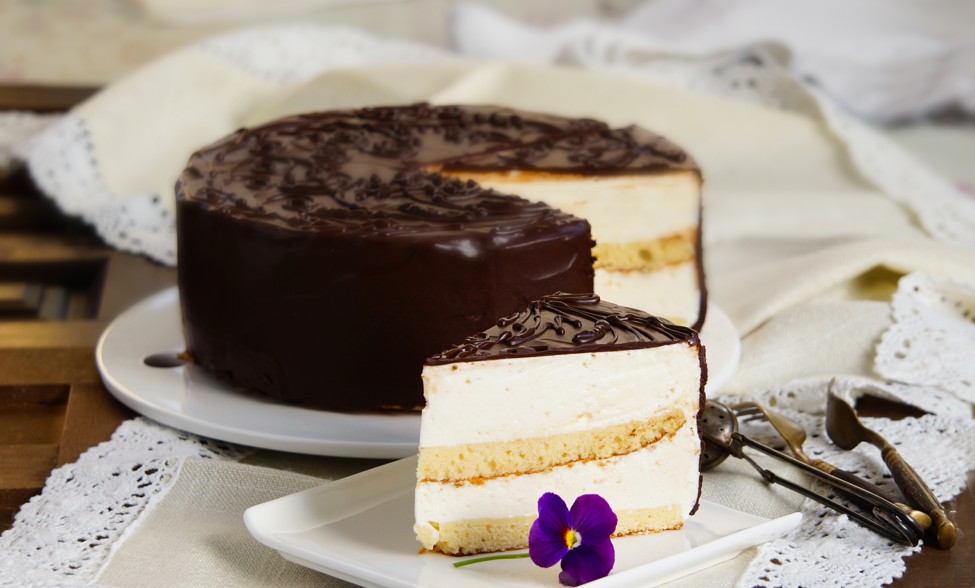
Soups hold a central place, including shchi, a cabbage-based soup, and solyanka, a thick, sour soup with olives and cured meats. Herring under a fur coat is a classic layered salad of herring, potatoes, beets, and mayonnaise. Zakuski refers to the elaborate spread of cold appetizers that traditionally opens a feast, featuring pickles, smoked fish, salads, and caviar. Desserts such as ptichye moloko, a light soufflé cake from the Soviet era, remain widely loved. Krendel, a pretzel-shaped sweet bread, is a historic symbol of the city’s baking tradition.
Everyday St. Petersburg & Russian Food
Breakfast often consists of kasha, syrniki made from cottage cheese, or simple sandwiches. Lunch is usually the main hot meal of the day, starting with soup and followed by meat or fish served with buckwheat or mashed potatoes. Dinner may mirror lunch or be lighter, depending on the household. The tradition of the stolovaya, a cafeteria-style canteen offering affordable, hearty food, continues alongside modern cafes.
Tea rooms and coffee houses have long been part of the city’s social fabric, serving as spaces for conversation and reflection. Eating follows the seasons, with fresh berries in summer and preserved vegetables and mushrooms dominating winter menus. Celebratory meals revolve around the idea of zastolie, a long, generous feast shared at the table. Service in older establishments can be blunt, while newer restaurants tend to be more polished. Meals are generally unhurried, encouraging conversation.
Cultural Fusion: Russian Peasant Roots, French Court Refinement & Northern Influences
The foundation of St. Petersburg’s cuisine lies in Slavic peasant food: soups, porridges, and dark bread designed to sustain people through long winters. The defining transformation came with Peter the Great’s westernization policies, which brought French chefs and culinary techniques to the imperial court. Russian dishes were refined, sauces were introduced, and the culture of elaborate zakuski developed.
Proximity to Finland and the Baltic region added influences such as smelt and certain pastries, while the Soviet period imposed standardized recipes and mass catering. Together, these layers created a table where medieval rye bread, 19th-century French-inspired dishes, and Soviet-era confections coexist, forming a culinary identity that is unmistakably Petersburgian.
Craft Beverage Scene and Local Libations
St. Petersburg’s beverage culture is traditionally centered on vodka, but today it is far more diverse. Vodka remains a ceremonial staple, served ice-cold and accompanied by zakuski. Kvass, a lightly fermented rye bread drink, is a summer favorite, sold from street tanks and kiosks.
Tea is the national hot drink, historically brewed in samovars and served strong with sugar, lemon, or jam. Mors, a sweet-tart berry drink, is common. The city is also Russia’s craft beer capital, with an exceptional and varied brewing scene. Medovukha, a fermented honey drink, and sparkling wine associated with celebrations remain popular. Coffee culture is thriving, with many specialty cafes. What defines St. Petersburg is the ritual of a vodka toast, the refreshing taste of kvass on a warm day, and long, contemplative tea sessions.
International Dining and Contemporary Scene
As Russia’s most European-facing city, St. Petersburg offers a wide range of international cuisines. Georgian food is especially popular, alongside Uzbek, Italian, French, and Asian restaurants. These reflect both historic connections and modern tastes.
Modern Russian cuisine is a dynamic and sophisticated movement, with chefs reinterpreting traditional recipes using contemporary techniques and presentation. Still, the emotional core of the city’s dining scene lies in its dumpling shops, canteens, and Soviet-era cafes. The balance between nostalgia and innovation defines the city’s food culture and offers visitors a broad and compelling culinary experience.
Food Customs and Practical Tips
Dining etiquette matters. Hands are typically kept visible on the table, and vodka is traditionally consumed in one shot after a toast, though declining is acceptable. It is polite to sample everything offered. Tipping of around ten percent is now common in restaurants and cafes.
For an authentic experience, eat at a traditional stolovaya to understand Soviet-era everyday food, and try street snacks such as pyshki or baked potatoes. Visiting a local market reveals an impressive range of pickles, smoked fish, dairy, and seasonal produce. Georgian restaurants are especially popular and widely regarded as some of the city’s best dining. Exploring zakuski at a traditional restaurant provides insight into celebratory Russian meals.
Different neighborhoods reveal different sides of the city’s food culture. The historic center around Nevsky Prospekt offers everything from tourist-friendly dining to classic cafes and fine restaurants. Vasilievsky Island is known for a more local atmosphere and strong craft beer presence. The Petrogradskaya Side has become a hub for trendy cafes and restaurants, while student-heavy areas offer lively late-night food. Expect generous use of sour cream, mayonnaise, and dill. St. Petersburg offers excellent value, particularly at local eateries. Above all, embrace its culinary spirit: poetic, hearty, and historically layered, reflecting a city that balances imperial grandeur with humble sustenance.
This guide covers what to eat in St. Petersburg, from pyshki and rassolnik to koryushka, zakuski, and enduring Russian classics. Use it to plan your culinary exploration of Russia’s cultural capital.
Check monthly weather averages for
Latest Secret Flying deals to St. Petersburg
Vilnius, Lithuania to St. Petersburg, Russia for only €18 roundtrip (Dec-Mar dates)
Non-stop flights from Vilnius, Lithuania to St. Petersburg, Russia for only €18 roundtrip.
View DealLondon, UK to St. Petersburg, Russia for only £17 roundtrip (Wizz members price) (Jan-Feb dates)
Non-stop flights from London, UK to St. Petersburg, Russia for only £17 roundtrip.
View DealAstana, Kazakhstan to St. Petersburg, Russia for only $299 USD roundtrip (Mar-May dates)
Cheap flights from Astana, Kazakhstan to St. Petersburg, Russia for only $299 USD roundtrip with LOT Polish Airlines.
View Deal [adblockingdetector id="638efa67113bf"]