


St. Vincent Food Guide
Food in St. Vincent & the Grenadines: What to Eat & Drink
St. Vincent & the Grenadines’ culinary landscape is a vibrant, rustic, and deeply grounded expression of Eastern Caribbean Creole culture. African, Carib (Garifuna), British, and French influences come together with the volcanic soil of St. Vincent and the pristine waters of the Grenadines to create a cuisine defined by simplicity, freshness, and honest, satisfying flavours. As a nation of 32 islands and cays shaped by Carib resistance, plantation history, and a quieter, more self-sufficient way of life, Vincentian food culture remains closely tied to the land and sea, governed by the daily catch and the harvest from backyard gardens.
Shaped by rugged mountains, black-sand beaches, and a slower pace than many of its more developed Caribbean neighbours, Vincentian cuisine celebrates roasted breadfruit, callaloo soup, fresh conch, arrowroot, and the national pairing of roasted breadfruit and jackfish. Meals are served with genuine, unhurried hospitality, and food is central to social life. Roadside barbecues function as gathering places, cookshops anchor neighbourhoods, and every plate reflects the richness of the islands’ soil and surrounding sea.
Core ingredients include fresh fish such as jackfish, mahi-mahi, and tuna; conch; breadfruit; dasheen (taro); yams; sweet potatoes; callaloo leaves; coconut; pigeon peas; and generous use of thyme, garlic, onion, and Scotch bonnet peppers. Dishes are typically hearty and peppery, relying on one-pot stews, soups, and starch-forward combinations built around ground provisions. St. Vincent’s volcanic landscape produces exceptionally fertile soil, while the Grenadines offer some of the Caribbean’s most abundant fishing grounds. From a beachside shack in Bequia serving lobster to a bubbling pot of fish broth in Kingstown, eating here is an immersion into one of the Caribbean’s most authentic food cultures.
Local Specialties of St. Vincent & the Grenadines
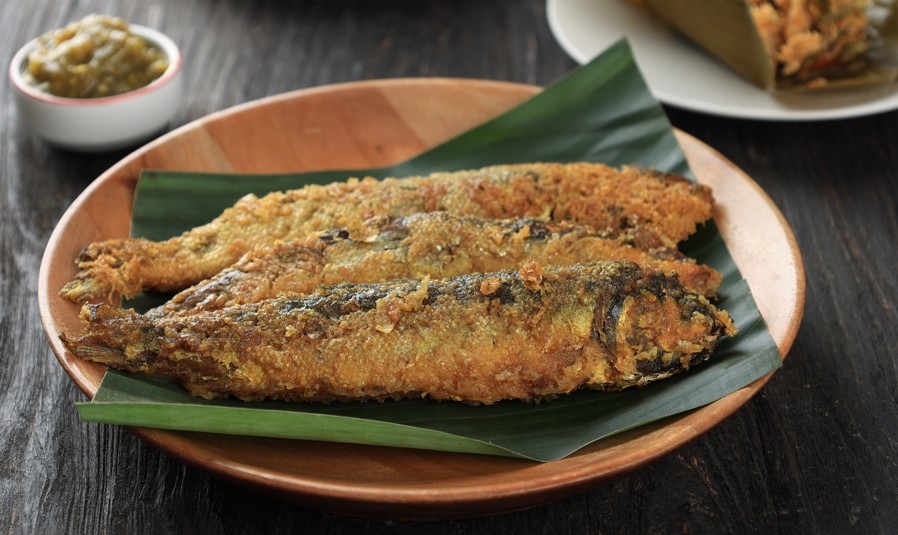
The islands’ most iconic dishes are rustic, elemental, and deeply satisfying. Roasted breadfruit and jackfish is considered the national dish. Whole breadfruit is roasted directly over an open fire until the skin is charred and the interior becomes smoky and tender, then served with fried or steamed jackfish, a firm, flavourful local fish.
Callaloo soup is a thick, nourishing green soup made from dasheen leaves, often enriched with crab, coconut milk, and dumplings. Fried jackfish with bakes, small pieces of fried dough, is a common breakfast or lunch. Arrowroot cakes and puddings showcase the island’s historically important arrowroot crop, once a major export. Rice and peas cooked in coconut milk appear at nearly every meal.
Conch, known locally as lambi, is prepared curried, stewed, or fried into fritters. Ducana is a sweet steamed dumpling made from grated sweet potato, coconut, and spices, wrapped in banana leaf. Saltfish souse is a bright, refreshing dish of pickled salt cod with onions, peppers, and lime. In some coastal communities such as Barrouallie, blackfish, or pilot whale, remains a traditional and culturally significant food. Cassava bread, a flatbread made from grated cassava, reflects the islands’ Carib heritage. Sea moss drink, made from local seaweed blended with milk and spices, is both a beverage and a tonic.
Everyday Vincentian & Grenadine Food
Breakfast often consists of fried jackfish with bakes, or a warming porridge made from cornmeal or oats. Lunch is the main meal of the day, usually a generous plate of stewed meat or fish served with a large portion of ground provisions such as yam, dasheen, or breadfruit, alongside rice and peas. Dinner may be similar or lighter, with soup being a popular option.
Cookshops, roadside barbecues, and small rum shops serving food form the backbone of everyday dining. Meals are casual, communal, and closely tied to what is available that day. Food is eaten slowly and socially, often outdoors. Service prioritises friendliness and hospitality rather than speed, and the rhythm of eating follows the return of fishing boats and the yield of home gardens.
Cultural Fusion: Carib Foundations, African Traditions & Colonial Layers
Vincentian cuisine has one of the strongest surviving Carib foundations in the Caribbean, visible in the use of cassava, breadfruit, and traditional preparation techniques. Enslaved Africans introduced callaloo, okra, frying methods, and one-pot cooking. British colonial rule brought salted cod, baking traditions, and organised cultivation of sugar and arrowroot.
French influence exists but is more subtle than on neighbouring islands. This culinary blend developed alongside Carib resistance and maroon communities, allowing indigenous foodways to survive more intact than elsewhere in the region. The result is a Vincentian table where pre-Columbian cassava bread, African-derived stews, and colonial-era puddings coexist, all shaped by volcanic soil and abundant seafood.
Craft Beverage Scene and Local Libations
St. Vincent & the Grenadines’ beverage culture is simple, refreshing, and rum-centred. Hairoun Beer is the national lager, named after the Carib name for St. Vincent, meaning “Land of the Blessed.” It is widely enjoyed after a day at the beach or work.
Rum is commonly consumed, often as white rum mixed into rum punch. Fresh coconut water is available throughout the islands, straight from the nut. Fruit juices made from passion fruit, guava, sorrel, and golden apple are excellent. Sea moss drink is widely regarded as a health tonic. Mauby, a bittersweet drink made from tree bark, is popular, as is black wine made from fermented sea grape. What defines the islands is the uncomplicated pleasure of a cold Hairoun beer, a rum punch at sunset, and a nourishing glass of sea moss.
International Dining and Contemporary Scene
As a yachting and eco-tourism destination, particularly in the Grenadines such as Bequia, Mustique, Canouan, and Union Island, upscale international restaurants exist within resorts and marinas, offering Italian, French, and Continental cuisine.
Modern Caribbean fusion is largely absent as a public dining movement. Innovation is limited to private kitchens or high-end resorts. The true soul of Vincentian dining remains in cookshops, roadside grills, and family homes. For visitors, this offers a rare opportunity to experience a Caribbean cuisine that has changed very little to accommodate tourism, remaining focused on freshness, tradition, and local flavour.
Food Customs and Practical Tips
Dining is extremely casual. Tipping of around ten percent is appreciated in established restaurants but not expected in very local eateries. Eating with your hands is common, especially when enjoying breadfruit or bakes. Greeting people before ordering or asking questions is considered polite.
For the most authentic experience, eat at local cookshops in Kingstown, particularly around the market area. Visit the Kingstown Market, especially on Saturday morning, to see the full range of local produce, spices, and prepared foods. Look out for roadside barbecue pits on weekends, and make a point of trying freshly roasted breadfruit. In the Grenadines, beachside lobster in places such as Bequia’s Princess Margaret Beach or Lower Bay is a highlight.
Different islands and areas offer distinct experiences. Kingstown on St. Vincent is best for everyday local food and markets. Bequia provides a balance of local eateries and charming waterfront restaurants. Mustique and Canouan focus on exclusive resort dining. Expect a slow pace and cash-only payment at many local spots. Prices are reasonable at cookshops but significantly higher in resorts. Above all, embrace the culinary spirit of St. Vincent & the Grenadines: genuine, unpretentious, and deeply connected to land and sea, offering one of the Caribbean’s most authentic and grounded food cultures.
This guide covers what to eat in St. Vincent & the Grenadines, from roasted breadfruit and jackfish to callaloo soup, arrowroot cakes, and Vincentian classics. Use it to plan your culinary discovery of this remarkable archipelago.
 [adblockingdetector id="638efa67113bf"]