


The Gambia Food Guide
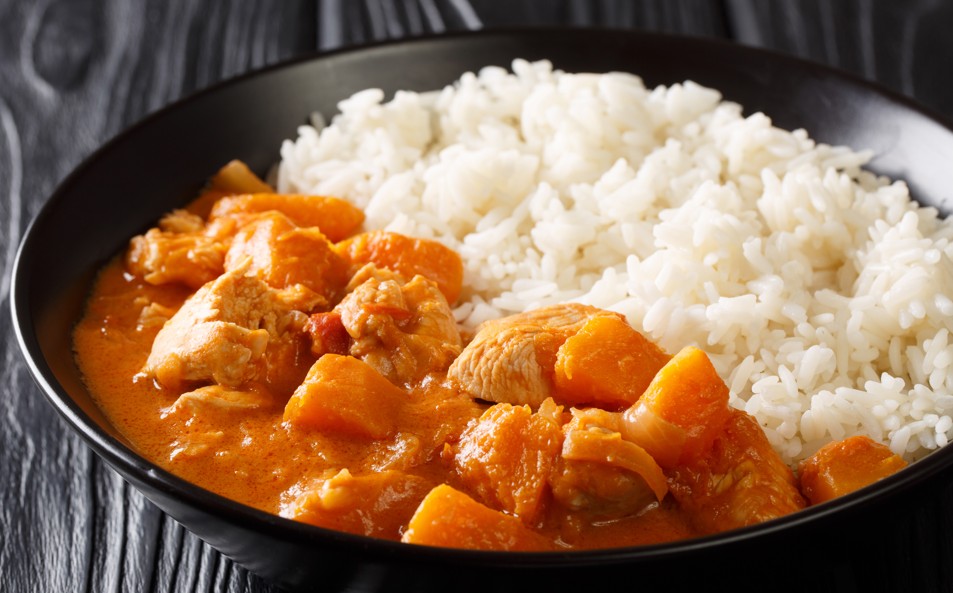
Food in The Gambia: What to Eat & Drink
The Gambia’s culinary landscape is a vibrant, soulful, and deeply communal expression of West African culture, where Mandinka, Wolof, Fula, and Jola traditions converge with the bounty of the River Gambia and the Atlantic coast to create a cuisine defined by hearty one-pot dishes, bold use of peanuts and fish, and the generous spirit of teranga (hospitality). As Africa’s smallest mainland country, shaped almost entirely by the river that runs through it, The Gambia developed a food culture rooted in agricultural rhythms, ancient regional trade, and a relaxed, welcoming character that belies its complex history. Influenced by its tropical climate, fertile riverbanks, and a society that values family and sharing above all else, Gambian cuisine celebrates rice, peanuts, okra, baobab, fresh and smoked fish, and palm oil, all served with warmth and sincerity. This is a place where food is a daily affirmation of life, where cooking is an act of care, and where every meal invites connection.
Core ingredients such as rice (the foundation of nearly every meal), peanuts (ground into paste or oil), fresh fish (including bonga, ladyfish, and catfish), dried and smoked fish, onions, tomatoes, chili peppers, okra, bitter tomato, sorrel, and palm oil form the backbone of Gambian cooking. Dishes are known for their rich, earthy, and often spicy profiles, built through slow simmering and anchored by a starchy base—usually rice—to absorb deeply flavored sauces. The country’s narrow geography along river and coast provides abundant seafood and fertile land for peanuts, rice, and vegetables. From beachside grills in Kololi to family compounds in rural villages, eating in The Gambia is an immersion into authentic West African life.
Local Specialties of The Gambia
Gambian cuisine revolves around rice and sauce. Domoda is the beloved national dish: a rich peanut stew made with beef, chicken, or fish, ladled generously over white rice. Every household takes pride in the balance and thickness of its peanut sauce.
Benachin (“one pot”) is The Gambia’s version of jollof rice, cooked in a single vessel with tomatoes, onions, fish or meat, and vegetables, producing a deep red, savory dish. Superkanja is a nutritious okra stew, often cooked with fish and palm oil, valued for both flavor and texture. Yassa features chicken or fish marinated in lemon and onions, grilled or fried, then simmered in a tangy onion sauce and served with rice. Mbahal (or Nyebbeh) combines rice with peanuts or black-eyed peas, often enriched with dried fish. Afra is popular late-night street food: grilled lamb or goat chopped and seasoned at roadside stalls. Akara are deep-fried bean fritters eaten for breakfast or as a snack. Chura Gerte is pounded millet couscous served with sour milk. Mangrove Oysters, harvested from river roots, are a unique local delicacy. Baobab Juice (Bouye) is made from the vitamin-rich fruit of the iconic tree.
Everyday Gambian & West African Food
Breakfast is usually light—bread with butter or akara, or leftover rice. Lunch is the main meal of the day, typically a large portion of rice with a single sauce such as domoda or superkanja, eaten from a shared bowl. Dinner may repeat the same pattern or be lighter. The tradition of eating together from a communal bowl, using the right hand, is central to daily life.
The heart of Gambian dining lies in the family compound kitchen, the roadside afra grill, and small local “chop houses.” Meals are social and unhurried, shaped by the heat of the day and the importance of togetherness. Service is informal and friendly, and food is valued as much for connection as for sustenance.
Cultural Foundations and Regional Exchange
Gambian cuisine reflects the food traditions of the Mandinka and Wolof peoples, centered on rice cultivation, peanut farming, and fish preservation. Constant exchange with neighboring West African cultures means dishes like yassa, benachin, and peanut stews are shared across borders, each with local nuance.
British colonial influence left a lighter culinary footprint than in neighboring countries, introducing tea culture and some baked goods, but leaving local foodways largely intact. The result is a cuisine that feels ancient, grounded, and distinctly Gambian.
Drinks and Local Refreshments
The Gambia’s beverage culture is refreshing and ritual-driven. Attaya—strong green tea brewed and poured in three rounds—is a cornerstone of social life, especially among men.
Julbrew is the crisp local lager. Palm Wine is traditionally fermented from palm sap. Wonjo (hibiscus) juice and Baobab Juice are popular sweet-tart drinks, while Ginger Beer provides a spicy, non-alcoholic option. Fresh coconut water is widely enjoyed. What defines Gambian drinking culture is the slow rhythm of attaya, a cold beer by the beach, and the cooling relief of hibiscus or baobab juice in the heat.
International Dining and the Local Reality
Along the Atlantic tourist strip, especially in Kololi, Bakau, and Cape Point, international restaurants cater to European visitors with familiar dishes and grilled seafood.
Modern Gambian or fusion cuisine is rare. The true culinary experience lies in local chop houses, street food stalls, and family homes. For visitors, this offers a rare chance to engage with an authentic, community-based West African food culture—sharing domoda from a common bowl, eating freshly grilled fish by the shore, or buying akara from a morning vendor.
Food Customs and Practical Tips
Etiquette matters. Always eat with your right hand, wash hands before and after meals, and take food only from the portion of the communal bowl in front of you. Accept offers of food and drink graciously. Tipping is not expected in local eateries but appreciated in tourist-oriented restaurants.
For an authentic experience, ask for “local food” at small restaurants, explore Albert Market in Banjul or Serrekunda Market, try afra from a roadside grill at night, and sample mangrove oysters in river communities like Lamin. Stick to bottled water outside major hotels.
Explore the Kombos for beach grills and international food, Banjul and Serrekunda for markets and local eateries, and upcountry villages along the river for traditional home-cooked meals. The Gambia offers excellent value and unforgettable hospitality. Above all, embrace its culinary spirit: communal, nourishing, deeply connected to land and river, and shared with open-hearted generosity—a true taste of West African teranga.
This guide covers what to eat in The Gambia, from domoda and benachin to yassa, afra, and everyday Gambian classics. Use it to plan your culinary discovery of the Smiling Coast of Africa.
Check monthly weather averages for
Latest Secret Flying deals to The Gambia
Barcelona, Spain to Banjul, Gambia for only €259 roundtrip
Cheap flights from Barcelona, Spain to Banjul, Gambia for only €259 roundtrip with TAP Air Portugal.
View DealNon-stop from London or Manchester, UK to Banjul, Gambia from only £222 roundtrip
Non-stop flights from London or Manchester, UK to Banjul, Gambia from only £222 roundtrip.
View DealFrance or Italy to Banjul, Gambia from only €334 roundtrip
Cheap flights from France or Italy to Banjul, Gambia from only €334 roundtrip with TAP Air Portugal.
View Deal [adblockingdetector id="638efa67113bf"]