


Tokyo Food Guide
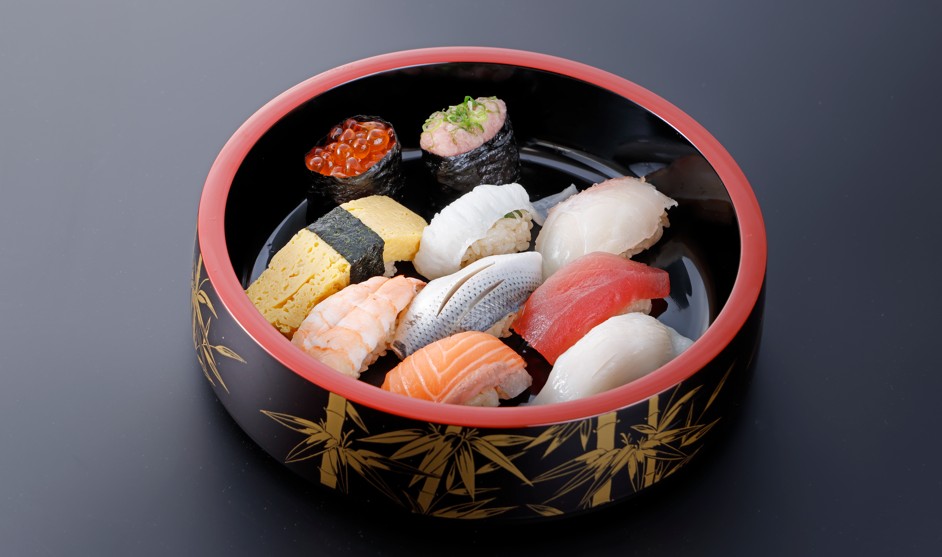
Food in Tokyo: What to Eat & Drink
Tokyo’s culinary landscape is a breathtaking, meticulous, and endlessly diverse expression of Japanese culture, where centuries-old Edo-era traditions, relentless perfectionism, and a voracious appetite for global innovation converge to create one of the world’s most sophisticated dining scenes. As a megacity that evolved from a samurai capital into a global metropolis, Tokyo developed a food culture governed by an almost spiritual pursuit of mastery (shokunin), deep respect for seasonality, and a structure that celebrates specialization. Shaped by its history as the seat of the shogun, its role as Japan’s economic and cultural heart, and a society that prizes precision and hospitality, Tokyo’s cuisine is a celebration of sushi, ramen, tempura, yakitori, and kaiseki—delivered with unwavering attention to detail that elevates dining to a high art. This is a city where food is both a daily ritual and a lifelong pursuit, where a single dish can be refined over generations, and where every meal, from a $300 omakase to a $10 bowl of noodles, is executed with profound care.
Core ingredients like rice, seafood (especially tuna, sea urchin, and eel), soy sauce, dashi, miso, noodles (soba, udon, ramen), and seasonal vegetables form the foundation. Dishes are defined by clean, umami-rich flavors, techniques that highlight the inherent quality of ingredients, and presentation that considers aesthetics, season, and balance. Tokyo’s geography provides access to rich fishing grounds in Tokyo Bay and beyond, alongside produce and specialties shipped daily from across Japan. Its identity is one of hyper-modern neon and serene tradition, where skyscraper districts conceal tiny, world-class counters. From a standing soba shop inside a train station to a discreet ryotei in Ginza, eating in Tokyo is a culinary pilgrimage through the pinnacle of Japanese craftsmanship.
Local Specialties of Tokyo
Tokyo’s iconic dishes reflect its Edo heritage and status as a national culinary capital. Edomae Sushi is the classic Tokyo style: nigiri featuring seafood traditionally cured, marinated, simmered, or otherwise prepared to be eaten at the ideal temperature and texture—a legacy of pre-refrigeration ingenuity. Monjayaki is Tokyo’s homegrown, runnier cousin to okonomiyaki, cooked and eaten directly from a griddle, famously associated with Tsukishima.
Chankonabe is the hearty, protein-rich hot pot eaten by sumo wrestlers, best experienced in Ryogoku near the sumo stables. Fukagawa-meshi is a classic dish of clams and rice simmered in miso, linked to old working-class neighborhoods near the bay. Tsukudani are small seafood, meat, or seaweed items simmered in soy sauce and mirin, originating as a preservation method from Tsukuda Island. Tempura, once Edo fast food, became refined and codified in Tokyo into an art of timing, oil temperature, and batter restraint. Soba culture is strong, with Tokyo known for darker, punchier dipping sauces. Yakitori (grilled chicken skewers) defines the after-work meal, best enjoyed in an izakaya alley with a drink. Anago (saltwater eel) is a Tokyo specialty, often served in sushi or donburi. Curry Pan (curry-filled bread) is a beloved Tokyo-born snack found in bakeries throughout the city.
Everyday Tokyo & Japanese Food
Breakfast might be an onigiri from a convenience store or a traditional set meal with fish, rice, and miso soup. Lunch is often quick and functional—noodles, a teishoku set meal, or a donburi rice bowl. Dinner ranges from casual izakaya hopping to formal multi-course dining. The culture of the specialized restaurant (a shop dedicated to one dish), the depachika (department store basement food hall), the tachinomi (standing bar), and kaitenzushi (conveyor belt sushi) is central to everyday eating.
Tokyo dining is efficient yet deeply appreciative. It is customary to say itadakimasu before eating and gochisousama deshita after. Service is famously polite and often anticipatory, with a strong emphasis on respect and smooth flow. For many sought-after restaurants, reservations are essential and may need to be made well in advance.
Cultural Fusion: Edo Foundations, National Synthesis & Global Influence
Tokyo’s food culture is built on Edo-era pragmatism: speed, preservation, and bold flavor for a busy merchant city—giving birth to sushi, tempura, and soba as fast foods. As Japan’s modern capital, Tokyo became a culinary clearinghouse where the best specialties from across the country—Hokkaido seafood, Kyoto vegetables, Kyushu shochu, Wagyu from multiple regions—are showcased at peak quality and often at peak price.
Postwar Tokyo adopted and refined outside influences, creating Japanese interpretations of global cuisines: curry rice, Western-style pastries, Chinese-inspired ramen that evolved into distinct Tokyo styles, and countless modern hybrids. The result is a dining ecosystem where deep tradition and boundary-pushing innovation not only coexist but actively fuel one another.
Craft Beverage Scene and Local Libations
Tokyo’s beverage culture is as nuanced as its food. Sake is central, with izakayas and specialty bars offering regional bottlings and seasonal releases. Shochu is widely consumed, and Japanese whisky holds global prestige. Beer—both major labels and an increasingly serious craft scene—is ubiquitous.
Non-alcoholic culture is equally significant: matcha and other Japanese teas remain integral, while coffee is treated with exceptional seriousness in both classic kissaten and world-class specialty cafes. Highballs (whisky and soda) are a staple of izakaya drinking culture. What distinguishes Tokyo is the ease of moving between worlds: a careful cup of matcha in the afternoon, yakitori with beer after work, and a quiet sake bar late at night.
International Dining and Contemporary Scene
Tokyo has an extraordinary range of international restaurants—often among the best outside their home countries—including French, Italian, Chinese, Korean, Indian, and more, frequently executed with a Japanese focus on ingredient quality and technical precision.
Modern Japanese cuisine continues to evolve, from contemporary kaiseki interpretations to chef-led “new washoku” that experiments with technique while respecting seasonality and restraint. Yet Tokyo’s soul remains in its specialist shops and small neighborhood restaurants where mastery is expressed through repetition and refinement. For visitors, the opportunity is unmatched: peak traditional craft, global excellence, and exceptional everyday value exist side-by-side, often within the same few blocks.
Food Customs and Practical Tips
Etiquette matters. Do not stick chopsticks upright in rice, and do not pass food from chopstick to chopstick. Slurping noodles is acceptable and often encouraged. Tipping is not practiced and may cause confusion. In smaller restaurants, cash can still be useful, though card acceptance is improving.
For the best experience, embrace specialization—seek out shops known for doing one thing exceptionally well. Use Tabelog or Google Maps as a guide; in Tokyo, relatively modest ratings can still indicate excellent quality. Reserve well ahead for famous counters and high-demand restaurants; many use platforms such as TableCheck or Omakase, while others rely on phone bookings. Do not overlook konbini food—it is consistently high quality for quick breakfasts and snacks. Visit the Tsukiji Outer Market for street food and seafood bites (noting that the wholesale market has moved). Explore neighborhoods with intention: Ginza for high-end sushi and refined dining, Shinjuku for izakaya alleys and ramen, Asakusa for old-Tokyo sweets and templeside snacks, and Tsukishima for monjayaki.
This guide covers what to eat in Tokyo, from Edomae sushi and monjayaki to chankonabe, tempura, yakitori, and everyday essentials. Use it to plan a culinary journey through one of the world’s most exacting and rewarding food cities.
Check monthly weather averages for
Latest Secret Flying deals to Tokyo
Non-stop from Honolulu, Hawaii to Tokyo, Japan for only $413 roundtrip
Non-stop flights from Honolulu, Hawaii to Tokyo, Japan for only $413 roundtrip.
View DealLondon, UK to Tokyo, Japan for only £474 roundtrip
Cheap flights from London, UK to Tokyo, Japan for only £474 roundtrip.
View DealNon-stop from Vancouver, Canada to Tokyo, Japan for only $670 CAD roundtrip
Non-stop flights from Vancouver, Canada to Tokyo, Japan for only $670 CAD roundtrip.
View Deal [adblockingdetector id="638efa67113bf"]