


Tripoli Food Guide
Food in Tripoli: What to Eat & Drink
Tripoli’s culinary landscape is a layered, aromatic, and deeply resilient expression of Libya’s Mediterranean capital, shaped by centuries of trade, empire, faith, and survival at the meeting point of sea and desert. Ancient Phoenician and Roman exchange laid early foundations, Ottoman rule introduced complex stews and pastries, and Italian colonisation left behind an enduring love for pasta and espresso, all of which fused with Berber and Bedouin food traditions rooted in grains, lamb, and hospitality. As the political and cultural heart of Libya, Tripoli developed a food culture that is profoundly communal and proudly traditional, where meals are tied to family life, religious rhythm, and social obligation rather than restaurants or culinary fashion. Eating in Tripoli is not performative or trend-driven; it is practical, generous, and symbolic, reflecting both scarcity and abundance, history and continuity.
The city’s coastal position on the southern Mediterranean gives Tripolitanian cuisine access to fresh seafood, while its proximity to the Sahara ensures that grains, preserved foods, and slow-cooked dishes remain central. Core ingredients include prized lamb, semolina for couscous and breads, wheat flour for pasta and pastries, fresh fish such as sardines, red mullet, and squid, olive oil, dates, legumes, and a warm, aromatic spice palette built around cumin, coriander, turmeric, cinnamon, harissa, and a distinctly Libyan version of za’atar. Dishes tend to be deeply savoury, gently spiced rather than aggressively hot, and designed for sharing, with communal platters and bread used as both utensil and accompaniment.
Local Specialties of Tripoli
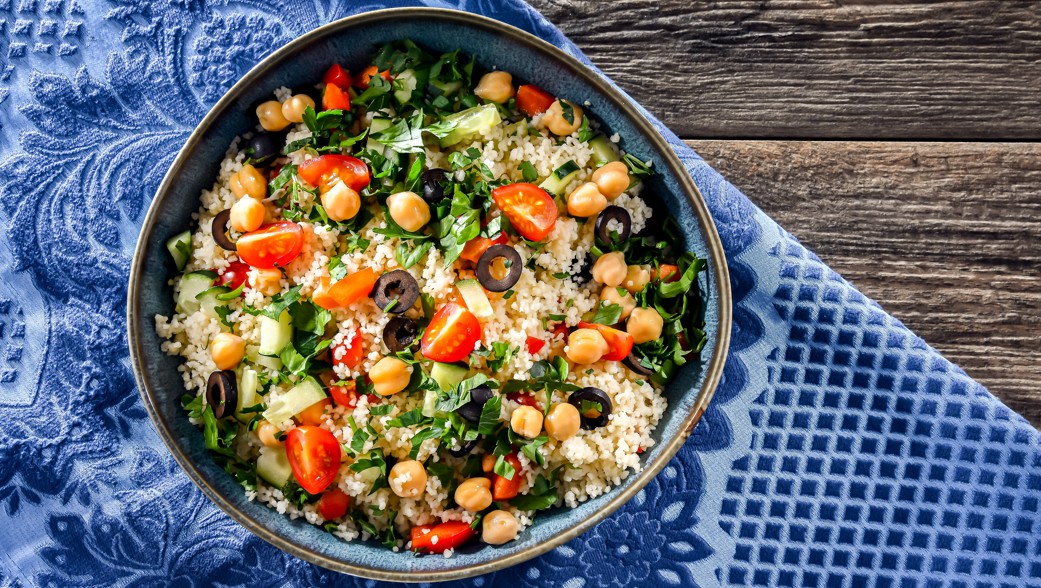
Couscous (Kuskus) is the cornerstone of Libyan cuisine and the unquestioned centrepiece of the Friday family meal. Finely steamed semolina is served with a rich marka (stew) made from lamb, chicken, or fish, along with vegetables and a fragrant tomato-based sauce. One of Tripoli’s most characteristic versions is couscous bil-bosla, where long-cooked onions lend sweetness and depth, creating a dish that is both comforting and celebratory.
Bazin (Baseen) is perhaps Libya’s most distinctive dish and one rarely found outside the country. Made from barley flour cooked into a dense, elastic dough, it is shaped into a dome and surrounded by a hearty stew of lamb, potatoes, tomatoes, chili, and whole eggs. Bazin is eaten communally by hand, torn from the central mound and dipped into the sauce, making it as much a social ritual as a meal.
Shakshouka, in its Libyan form, is heartier and spicier than versions found elsewhere in North Africa or the Levant. Eggs are poached in a thick tomato and pepper sauce often enriched with merguez sausage, making it a common choice for breakfast or a simple evening meal. Along the coast, haraimi, a fiery fish stew with garlic, tomato, and chili, showcases Tripoli’s Mediterranean identity, while shorba Libiya, a lemony lamb and vegetable soup, appears frequently during Ramadan and family gatherings.
Tripoli’s love of pastries and stuffed foods is evident in mbatten, crisp pastries filled with spiced minced meat or tuna, and in an array of sweets such as makroudh (date-filled semolina cakes fried and soaked in syrup), ghraybeh shortbread cookies, and asida, a simple flour-based porridge served with honey, butter, or date syrup.
Everyday Tripoli & Libyan Food
Daily eating in Tripoli revolves around the home rather than restaurants. Breakfast may be modest—flatbread dipped in olive oil and za’atar with sweet tea—or more filling, with shakshouka or stewed beans. Lunch is the main meal of the day and is typically eaten with family, often consisting of couscous, rice, or a slow-cooked stew. Dinner is lighter and more flexible, sometimes no more than bread, leftovers, and tea.
Food culture centres on the home kitchen, the neighbourhood ma’qal (grill house), small cafes for tea and coffee, traditional pastry shops in the old medina, and the bustling souqs. Meals are unhurried and social, with hospitality considered a moral obligation. Guests are offered food immediately upon arrival, and refusing outright is considered impolite.
Cultural Influences and Culinary Identity
Tripoli’s cuisine reflects the convergence of multiple civilisations. Berber and Bedouin traditions contributed an emphasis on grains, milk, dates, and lamb, suited to desert life. Ottoman rule introduced elaborate stews, stuffed vegetables, pastries, and coffee culture, while Italian colonisation left a lasting imprint through pasta dishes such as macarona and a continuing espresso habit in urban cafes.
Unlike neighbouring cuisines that evolved through restaurant culture or globalisation, Tripolitanian food remained largely domestic and conservative, preserving techniques and flavours through family transmission rather than reinvention. As a result, the cuisine feels deeply historical, with dishes that taste largely as they did generations ago.
Beverages and Local Drinks
In keeping with Islamic tradition, Tripoli’s beverage culture is entirely non-alcoholic and centred on ritualised hot drinks. Libyan tea (Shai) is intensely sweet, brewed strong and poured from a height to create a thick foam, often flavoured with fresh mint or, in some households, peanuts. Tea is consumed throughout the day and plays a central role in social interaction.
Arabic coffee (Qahwa), typically spiced with cardamom, is also common, as are fresh fruit juices made from oranges or pomegranates. Laban (a yoghurt-based drink) often accompanies meals, while Italian-style espresso and cappuccino persist as quiet reminders of Tripoli’s colonial past.
International Dining and Contemporary Scene
Tripoli has a very limited international or contemporary dining scene. A small number of Turkish, Egyptian, or Chinese restaurants exist, but the concept of modern fusion cuisine or fine dining is largely absent. Public eating remains practical and traditional, and the most meaningful food experiences almost always take place in private homes rather than restaurants.
This absence of globalised dining trends has preserved a rare culinary authenticity. For visitors with local connections, Tripoli offers the opportunity to experience a North African cuisine that remains largely untouched by commercialisation or culinary fashion.
Food Customs and Practical Tips
Dress modestly and follow local customs. Always accept at least a small amount of food or drink when offered, and eat with your right hand when sharing from communal dishes. Tipping is minimal but appreciated. Cash is essential, and visitors should always check current security and travel advisories before planning a visit.
For the most authentic experience, share a family meal if invited, eat couscous on a Friday, seek out bazin at a local eatery, visit traditional pastry shops in the medina, and take time to sit for tea in a neighbourhood café. More than any single dish, Tripoli’s food culture is defined by generosity, continuity, and a deep respect for tradition—a living reflection of Libya’s history, resilience, and identity.
This guide covers what to eat in Tripoli, Libya, from couscous and bazin to shakshouka, mbatten, and the ritual of Libyan tea.
 [adblockingdetector id="638efa67113bf"]