


Valencia Food Guide
Food in Valencia: What to Eat & Drink
Valencia’s culinary landscape is a sun-drenched, vibrant, and historically significant expression of Spain’s Mediterranean coast, where ancient rice cultivation, Moorish agricultural ingenuity, and a fiercely independent Levantine identity converge to create a cuisine defined by bright flavors, exceptional rice dishes, and a deep connection to both land and sea. As the birthplace of paella and Spain’s third-largest city, Valencia developed a food culture that is proudly traditional yet quietly modern, shaped by the rhythm of the Mediterranean day, the seasonal abundance of the huerta (orchard), and a relaxed, sociable way of life. Influenced by centuries of trade, Arab irrigation systems that transformed the region into Europe’s most fertile market garden, and an almost obsessive local pride, Valencian cuisine celebrates paella, fresh seafood, citrus, almonds, and vegetables, prepared with clarity, restraint, and reverence for ingredients. This is a city where food is identity, where the rules of paella are defended with passion, and where every meal reflects the harmony between sea, soil, and sun.
Core ingredients such as rice (especially local bomba and senia varieties), beans, tomatoes, peppers, onions, garlic, olive oil, saffron, rosemary, rabbit, chicken, duck, snails, and an extraordinary variety of vegetables and citrus fruits form the foundation. Dishes are marked by fresh, savory flavors, often enhanced by the smokiness of wood-fired cooking, and a mastery of rice and slow-simmered preparations that allows the produce to speak for itself. Valencia’s geography—a coastal plain irrigated by the Turia River—gave rise to the Albufera lagoon and the surrounding huerta, one of Europe’s great agricultural landscapes. From a beachside paella restaurant in El Cabanyal to a lively tapas bar in the Carmen district, eating in Valencia is an immersion into the essence of Mediterranean Spain.
Local Specialties of Valencia
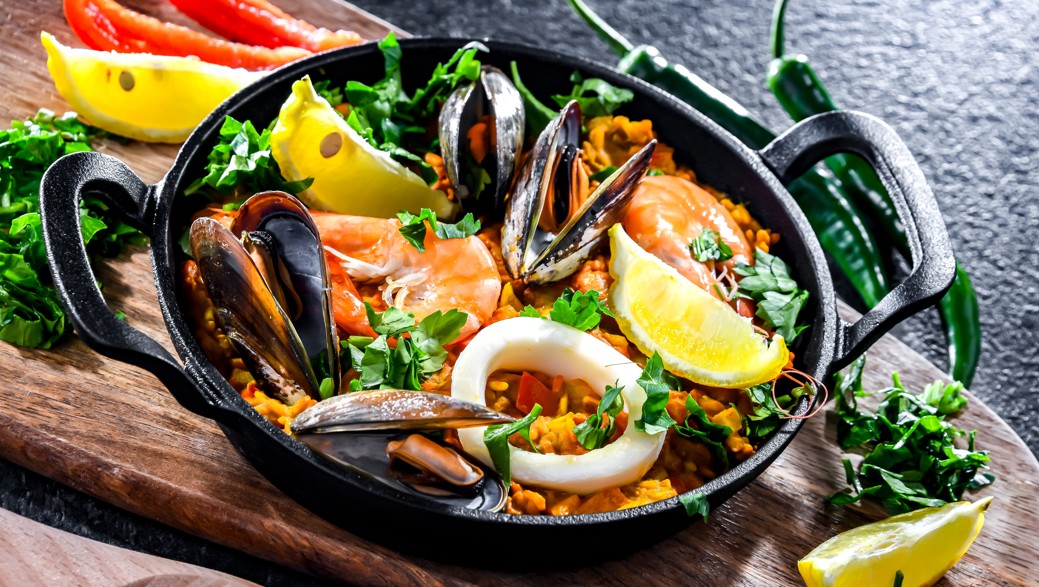
Valencia’s most iconic dishes revolve around rice and the bounty of the huerta. Paella Valenciana is the original and canonical version: short-grain rice cooked in a wide, shallow pan over a wood fire with chicken, rabbit, sometimes duck, green beans (ferraura), butter beans (garrofón), tomato, saffron, and rosemary. Seafood has no place in this traditional dish. Arroz a Banda is a classic fisherman’s preparation in which rice is cooked in a deeply flavored fish broth and served separately from the fish, often accompanied by alioli.
Arroz Negro is a dramatic black rice dish colored with squid ink, typically cooked with squid and prawns. Fideuà is the noodle-based cousin of paella, made with short, thin noodles and seafood. All i Pebre is a rich stew of eel, potatoes, garlic, and paprika from the Albufera lagoon. Esgarraet is a simple salad of roasted red peppers and salt cod dressed generously with olive oil. Clóchinas, small seasonal local mussels, are commonly served steamed as a tapa.
Sweet and drinkable specialties are equally important. Horchata (Orxata), made from tiger nuts, is served ice-cold and traditionally paired with fartons, elongated pastries designed for dipping. Agua de Valencia is a potent local cocktail combining cava, fresh orange juice, vodka, and gin. Traditional sweets such as turrón and peladillas (sugar-coated almonds) also play an important role in the local table.
Everyday Valencia & Levantine Food
Breakfast is usually light: coffee with a pastry or toast. Lunch is the main meal of the day, particularly on weekends, and is often a long, leisurely comida centered around a rice dish or a substantial stew. Dinner is later and typically lighter, consisting of tapas or a simple plate. The culture of the traditional rice restaurant, the neighborhood tapas bar, the horchatería, and the central market defines daily eating in the city.
Meals are social and seasonal, shaped by the siesta and the evening paseo. Service is direct and efficient, and the idea of food being de la huerta—grown locally—is a mark of quality and pride. The pace of dining is relaxed, yet purposeful, reflecting the Mediterranean balance between enjoyment and routine.
Cultural Layers: Iberian Roots, Moorish Agriculture & Mediterranean Exchange
The foundations of Valencian cuisine are Iberian and Roman, but its defining transformation came with the Moorish period, which introduced rice, saffron, almonds, citrus fruits, and sophisticated irrigation systems that created the fertile huerta. This agricultural revolution is the true backbone of the cuisine.
Over centuries, Mediterranean trade and local innovation refined these ingredients into the rice dishes for which Valencia is now famous. The result is a table where Roman-era fish preparations, Moorish sweet-savory traditions, and the uniquely Valencian invention of paella coexist, each inseparable from the landscape that produced them.
Beverages and Local Drinks
Valencia’s beverage culture is refreshing and rooted in place. Horchata is the essential non-alcoholic drink, especially in summer, while Agua de Valencia remains the city’s signature cocktail.
Local wines from the nearby Utiel-Requena and Valencia DO regions are excellent, with robust reds from Bobal grapes and crisp Mediterranean whites. Beer is widely enjoyed, particularly the local Turia brand. Café Bombón, espresso layered with sweetened condensed milk, is a common coffee order. Vermouth is popular as a pre-lunch aperitif, and fresh orange juice is exceptional, reflecting Valencia’s citrus heritage. What defines the city is the ritual of horchata with fartons on a hot afternoon, a glass of vermouth before lunch, and local wine paired with seafood by the sea.
International Dining and the Contemporary Scene
As a major city and popular destination, Valencia offers a solid range of international dining, including Italian and Asian cuisines, particularly in the trendy Ruzafa neighborhood.
Modern Valencian and creative Mediterranean cooking is a growing movement, with chefs reinterpreting traditional ingredients through contemporary techniques. Nevertheless, the heart of Valencia’s food culture remains firmly anchored in its rice restaurants, tapas bars, and historic markets. The city values refinement through tradition rather than constant reinvention, offering visitors the chance to experience world-famous dishes exactly where and how they were born.
Food Customs and Practical Tips
Dining is informal but deeply opinionated. Tipping is not obligatory, though rounding up is appreciated. Paella is traditionally eaten for lunch, never dinner, and is meant to be shared. Asking for chorizo in a paella valenciana is considered a serious mistake. Horchata is usually enjoyed in the morning or afternoon rather than after a meal.
For an authentic experience, eat paella for lunch—traditionally on Thursdays or Sundays—preferably in the Albufera area or El Palmar. Visit the Mercado Central, one of Europe’s most impressive food markets, to see the region’s produce at its best. Stop at a classic horchatería such as Santa Catalina or Daniel, and try esgarraet and clóchinas as essential tapas. Paella is cooked to order and rarely made for one person, so plan to share.
Explore different areas: the historic center and El Carmen for tapas and traditional bars; Ruzafa for a younger, international dining scene; El Cabanyal and the beachfront for seafood and rice restaurants; and the Albufera/El Palmar area for the most authentic paella in its natural setting. Try both a legendary institution and a small neighborhood spot. Be prepared for late lunches, late dinners, and outstanding value compared to other major Spanish cities. Above all, embrace Valencia’s culinary spirit: sunny, communal, deeply rooted in its land and sea, and fiercely proud of its traditions—a true taste of Mediterranean Spain at its most authentic.
This guide covers what to eat in Valencia, from paella valenciana and arroz a banda to horchata, esgarraet, and the city’s essential classics. Use it to plan your culinary journey to the birthplace of paella.
Check monthly weather averages for
Latest Secret Flying deals to Valencia
Non-stop from Montreal, Canada to Valencia, Spain for only $630 CAD roundtrip
Non-stop flights from Montreal, Canada to Valencia, Spain for only $630 CAD roundtrip.
View DealSao Paulo, Brazil to Valencia, Spain for only $554 USD roundtrip
Cheap flights from Sao Paulo, Brazil to Valencia, Spain for only $554 USD roundtrip with Avianca and Air Europa.
View Deal
 [adblockingdetector id="638efa67113bf"]