


Winnipeg Food Guide
Food in Winnipeg: What to Eat & Drink
Winnipeg’s culinary landscape is a hearty, multicultural, and unexpectedly vibrant expression of Canada’s prairie heart, where Indigenous traditions, waves of immigration from across the globe, a fiercely resilient community spirit, and the bounty of the surrounding farmland converge to create a cuisine defined by comforting flavors, astonishing diversity, and a proud, unpretentious character. As the historic crossroads of Canada and a long-time cultural melting pot, Winnipeg developed a food culture that is both deeply rooted in the land and dynamically global, governed by the rhythm of harsh winters and glorious summers, the legacy of the fur trade and the railway, and a collaborative, DIY ethos. Shaped by First Nations and Métis foundations, followed by substantial Ukrainian, German, Filipino, Vietnamese, and many more communities, Winnipeg’s cuisine is a celebration of perogies, bison, pickerel, honey dill sauce, Winnipeg rye bread, and an incredible array of authentic ethnic eats, all served with genuine warmth and a focus on community. This is a city where food is a story of survival and sharing, where the social is as important as the sustenance, and where every meal—from a steaming bowl of pho to a plate of kubasa and perogies—is an opportunity to taste the warm, welcoming soul of the Canadian Prairies.
Core ingredients like bison and venison, freshwater fish such as pickerel (walleye) and goldeye, prairie grains (wheat, rye), root vegetables, canola and sunflower oils, honey, dill, garlic, cabbage, potatoes, and high-quality beef and pork from local farms form the foundation. Dishes are characterized by hearty, savory, and often sweet-and-herbaceous (thanks to honey dill) profiles, a mastery of baking, preserving, and slow-cooking, and a striking contrast between simple, stick-to-your-ribs fare and complex, spice-laden global dishes. Winnipeg’s position at the confluence of the Red and Assiniboine Rivers (The Forks) made it a meeting place for millennia. Its identity is one of expansive skies and historic exchange districts, where modern bistros sit next to century-old butcher shops. From a legendary chip truck at The Forks to an innovative Indigenous restaurant, eating in Winnipeg is a surprising and satisfying immersion into the heart of the continent.
Local Specialties of Winnipeg
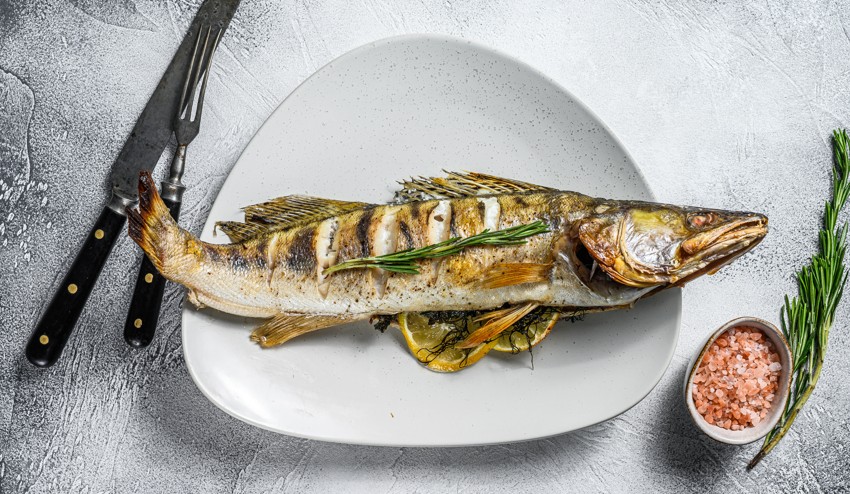
Winnipeg’s iconic dishes are a unique blend of Indigenous, Eastern European, and local inventions. Pickerel (Walleye) is the prized local freshwater fish, often lightly breaded and pan-fried, served with lemon and tartar sauce.
Bison is a lean, flavorful red meat served as steaks, burgers, or in stews, connecting to the region’s Indigenous and prairie history. Winnipeg Goldeye is a small fish traditionally hot-smoked, prized for its distinctive smoky flavor and firm texture.
Perogies are a city staple thanks to the large Ukrainian community, typically filled with potato and cheddar, served with fried onions and sour cream. Kubasa (garlic sausage) is another Eastern European cornerstone: a heavily garlicky smoked sausage, often grilled or served alongside perogies.
Honey Dill Sauce is Winnipeg’s beloved and iconic condiment. A simple mix of mayonnaise, honey, and dill, it was created for chicken fingers but is now used as a dip for everything. Fat Boys (often used to refer to the city’s sauce-heavy burger style and classic drive-in culture) are a local favorite for burgers and comfort food. Slurpees are consumed here at famously high per-capita rates, a point of quirky civic pride.
Winnipeg Rye Bread is a distinct, dense, dark, and caraway-seeded bread, a cornerstone of the local table. Saskatoon Berry pies and desserts celebrate a native prairie fruit that shines in cobblers, jams, and pastries.
Everyday Winnipeg & Prairie Food
Breakfast can be substantial, especially in winter. Lunch is often quick and hearty. Dinner is the main family or social meal. The “social”—a casual gathering with friends centered around food and drink—is a key part of Winnipeg culture, especially for celebrations.
The culture of the neighbourhood pub/tavern, the family-run ethnic restaurant, the local diner/café, the farmers’ market (St. Norbert and The Forks), and the chip truck/food stall is central. Eating is communal, unpretentious, and value-driven. “Homemade” and “local” carry real weight. Meals are often accompanied by local beer, a Caesar cocktail, or simply water. Service is friendly and straightforward. The pace is relaxed; meals are for catching up.
Cultural Fusion: Indigenous & Métis Base, Waves of Immigration & Prairie Isolation
Winnipeg’s food foundation is Cree, Ojibwe, and Métis, featuring bison, berries, fish, and bannock. The Métis blending of Indigenous and French-Canadian traditions is a cornerstone of regional foodways. Waves of immigration—first from Eastern and Northern Europe (Ukrainians, Poles, Germans, Icelanders) and later from Asia (particularly Filipinos and Vietnamese)—layered the city’s foodscape with distinct traditions that remain strongly visible today.
Relative geographic isolation fostered self-reliance and helped preserve these food cultures in community hubs, churches, social clubs, and family-run restaurants. This creates a Winnipeg table where you can taste a Métis-style stew, a Ukrainian grandmother’s perogies, Filipino comfort dishes, and a modern chef’s interpretation of prairie ingredients—all equally authentic expressions of the city’s identity.
Craft Beverage Scene and Local Libations
Winnipeg’s beverage scene is robust and community-focused. Craft beer is a major force, with a strong local brewery culture producing everything from crisp lagers to bold stouts and barrel-aged specialties.
The Caesar (the Canadian cocktail made with vodka, Clamato, and spices) is a brunch and social staple, often garnished generously. Local spirits from prairie distilleries support a growing cocktail scene, while coffee culture is strong and increasingly third-wave. And yes—Slurpees remain a summer obsession and a signature Winnipeg quirk. What distinguishes Winnipeg is the blend of craft and comfort: a fiercely local pint at a neighbourhood brewery, followed by a Caesar at weekend brunch.
International Dining and Contemporary Scene
Winnipeg boasts one of Canada’s most impressive and authentic ethnic dining scenes for its size. The Filipino community is particularly influential, with numerous eateries, bakeries, and grocers shaping everyday food culture. Vietnamese pho and bánh mì are also widespread and consistently excellent, joined by strong representation from many other cuisines across the city.
Modern Canadian/Prairie cuisine is an increasingly visible movement, with chefs focusing on hyper-local and foraged ingredients, Indigenous culinary techniques, and refined presentations of bison, pickerel, and wild berries. However, the soul of Winnipeg dining remains in unassuming family-run restaurants, classic diners and pubs, and community-focused markets like The Forks. The scene is less about chasing international trends and more about celebrating the city’s mosaic and terroir. For visitors, this can be a revelation: a global culinary tour paired with distinctive prairie staples, often with excellent value and minimal pretense.
Food Customs and Practical Tips
Dining is almost always casual. Tipping (15–20%) is standard for table service. Reservations are recommended for popular spots on weekends. Embrace the “social” vibe—meals are often shared, conversational, and unhurried.
For the authentic experience, visit The Forks Market to sample a range of local vendors under one roof, from bannock to Filipino treats. Try honey dill sauce—order chicken fingers specifically to experience it (or buy a bottle to take home). Eat a pickerel dinner to understand the prairie-freshwater tradition. Seek out the Filipino food scene, whether in a bakery, a casual cafeteria-style spot, or a family-run restaurant.
Explore different areas: The Exchange District for trendy restaurants, cocktail bars, and coffee shops; The North End for deep Ukrainian/Polish roots and iconic comfort food; Osborne Village for a bohemian mix of cafés, pubs, and eclectic eateries; St. Boniface (the French Quarter) for bistros and excellent bakeries. Try both a long-standing institution and a modern Indigenous or prairie-focused restaurant. Be prepared for extreme temperatures—but exceptionally warm hospitality. Most importantly, embrace Winnipeg’s culinary spirit: hearty, diverse, community-minded, proudly quirky, and quietly sophisticated—a true taste of Canada’s resilient prairie heart.
This guide covers what to eat in Winnipeg, Canada, from pickerel and bison to perogies, honey dill sauce, and the city’s outstanding ethnic food scene. Use it to plan your culinary journey to the heart of the continent.
Check monthly weather averages for
Latest Secret Flying deals to Winnipeg
Manchester, UK to Winnipeg, Canada for only £422 roundtrip
Cheap flights from Manchester, UK to Winnipeg, Canada for only £422 roundtrip with KLM.
View DealCardiff, UK to Winnipeg, Canada for only £330 roundtrip
Cheap flights from Cardiff, UK to Winnipeg, Canada for only £330 roundtrip.
View DealBoston to Winnipeg, Canada for only $279 roundtrip
Cheap flights from Boston to Winnipeg, Canada for only $279 roundtrip.
View Deal [adblockingdetector id="638efa67113bf"]