


Zanzibar Food Guide
Food in Zanzibar: What to Eat & Drink
Zanzibar’s culinary landscape is a fragrant, spice-laden, and historically layered expression of the Swahili Coast, where the bounty of the Indian Ocean, centuries of maritime trade, and a rich fusion of African, Arab, Indian, and European influences converge to create a cuisine defined by complex aromatics, coconut-rich sauces, and a deep connection to both sea and spice plantations. As the historic heart of the East African spice trade, Zanzibar developed a food culture that is both deeply traditional and globally infused, shaped by the rhythms of fishing dhows, the harvest cycles of cloves and cinnamon, and the communal hospitality of Swahili life. Influenced by Omani Arab rule, Indian traders, indigenous Bantu traditions, and a brief Portuguese presence, Zanzibari cuisine celebrates fresh seafood, rice, coconut milk, tropical fruits, and a signature blend of spices—cloves, cinnamon, cardamom, black pepper—served with aromatic intensity and balance. This is an archipelago where food tells the story of trade and empire, where Stone Town’s alleyways are perfumed with spice, and where every meal is an invitation into the soul of the Swahili Coast.
Core ingredients include coconut in all its forms (milk, cream, oil, grated), fresh seafood such as octopus, squid, kingfish, tuna, lobster, and crab, rice, plantains, cassava, beans, lentils, tomatoes, onions, garlic, ginger, chili, lime, and the iconic spice mix of cloves, cinnamon, cardamom, cumin, coriander, and black pepper. Dishes are characterized by rich, creamy textures, slow-cooked coconut sauces, charcoal grilling, and a nuanced balance of heat, sweetness, acidity, and perfume. Zanzibar’s tropical island geography, fertile soils, and abundant fishing grounds created a naturally self-sufficient cuisine. From beachside grills serving the day’s catch to Swahili homes preparing celebratory pilau, eating in Zanzibar is a full sensory immersion.
Local Specialties of Zanzibar
Zanzibar’s most iconic dishes reflect its status as the “Spice Island.” Zanzibar Pizza is a famous street food unique to the islands: thin dough filled with minced meat, egg, vegetables, and sometimes cheese, then pan-fried until crisp.
Pilau is a celebratory spiced rice dish cooked in a rich broth with meat such as goat, beef, or chicken, perfumed with cloves, cardamom, and cinnamon. Biryani, introduced by Indian traders, is also deeply rooted, often prepared with goat or fish.
Seafood dominates the table. Grilled Octopus in Coconut Sauce (Pweza wa Nazi) is a signature dish, combining tenderized octopus with a creamy, spiced coconut curry. Samaki wa Kupaka features fish, often kingfish, marinated in coconut and spice before grilling. Chicken or Fish in Coconut Sauce (Kuku wa Nazi) is a common home-style staple.
Urojo, also known as Zanzibar Mix, is a beloved street food soup combining potatoes, lentils, mango, chili, and fried elements, finished with lime for a tangy, spicy punch. Mishkaki are charcoal-grilled meat skewers, while Viazi Karai are deep-fried potato balls served as snacks.
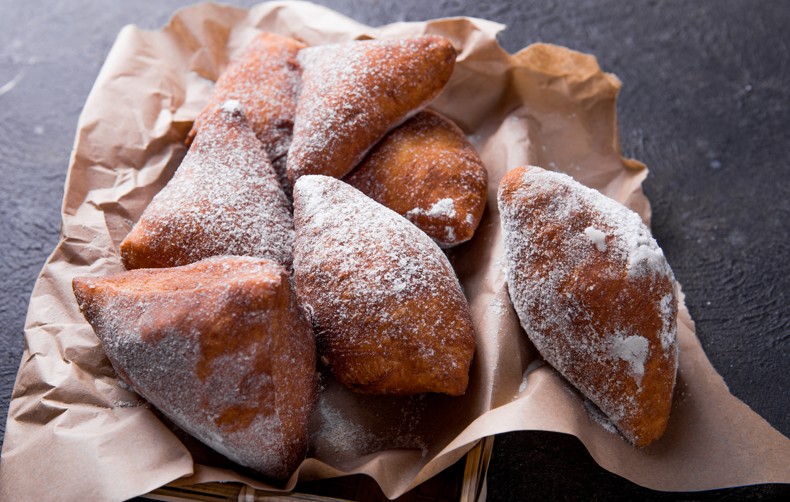
Mandazi are coconut-infused Swahili doughnuts enjoyed with tea. Tropical fruits such as mango, pineapple, jackfruit, passion fruit, and red bananas are exceptionally sweet. Spiced Tea (Chai Masala) is a fragrant, milky infusion flavored with local spices.
Everyday Zanzibar & Swahili Food
Breakfast is typically light, featuring tea with mandazi or chapati. Lunch is often the main meal, centered on rice with curry or stew. Dinner may be similar or lighter, with street food playing a prominent role. The culture of street food, the Darajani Market, the Forodhani Gardens night market, and the home kitchen for dishes like pilau is central.
Meals are often shared communally. Service is relaxed and friendly, reflecting the philosophy of hakuna haraka (no hurry). Drinks typically include fruit juice, soda, spiced tea, or water. Dining is unhurried and social.
Cultural Fusion: Bantu Roots, Omani Arab Rule, Indian Trade & European Influence
Zanzibari cuisine is rooted in Bantu African foodways, using cassava, plantains, coconut, and seafood. Omani Arab rule profoundly shaped the cuisine, introducing rice, cloves, and spiced dishes such as pilau.
Indian merchants contributed biryani, chapati, samosas, lentils, and curry techniques, while Portuguese influence reinforced the use of chili. The result is a cuisine where African staples, Arab spices, Indian rice dishes, and uniquely local street foods coexist seamlessly.
Craft Beverage Scene and Local Libations
Zanzibar’s beverage culture is refreshing and largely non-alcoholic due to its Muslim majority. Spice Tea (Chai Masala) is the daily staple.
Fresh fruit juices and smoothies are exceptional, with sugarcane juice mixed with ginger and lime being a standout. Tangawizi (ginger beer) is popular, as is fresh coconut water.
Local beer, including Safari Lager and Kilimanjaro, is available in tourist areas. Spiced coffee is enjoyed in Stone Town, and palm wine (tembo) remains a traditional, mildly alcoholic drink. Zanzibar’s rhythm is defined by spiced tea in the afternoon and fresh juice by the beach.
International Dining and Contemporary Scene
As a major tourist destination, Zanzibar offers a wide range of international restaurants, particularly Italian and other European cuisines, especially in Stone Town and beach resorts such as Nungwi and Kendwa.
A modern interpretation of Zanzibari cuisine is emerging in upscale hotels and select restaurants, but the soul of dining remains firmly in street food stalls, local markets, and family-run Swahili eateries. For visitors, the contrast between lively markets and serene beachfront dining is part of the experience.
Food Customs and Practical Tips
Dress modestly away from the beach, especially in Stone Town. Tipping is appreciated in tourist restaurants but not expected at street stalls. Wash hands before eating; a jug and basin are often provided. When eating traditionally, use the right hand.
For an authentic experience, visit Forodhani Gardens Night Market at sunset to sample Zanzibar pizza, urojo, grilled seafood, and sugarcane juice. Take a spice tour and enjoy a Swahili lunch cooked with fresh spices. Eat at a local “hoteli” for simple, authentic rice-and-curry meals. Try pilau on a Friday, when it is often prepared after prayers. Drink only bottled or purified water.
Explore Stone Town for historic eateries and markets, Nungwi and Kendwa for beachside seafood, and Paje or Jambiani for a quieter, local feel. Balance the bustle of night markets with a relaxed beach dinner. Above all, embrace Zanzibar’s culinary spirit: aromatic, communal, shaped by the ocean and spice trade, and deeply rooted in centuries of cultural exchange.
This guide covers what to eat in Zanzibar, from Zanzibar Pizza and pilau to urojo, grilled octopus in coconut sauce, and classic Swahili dishes. Use it to plan your culinary journey to the Spice Island.
Check monthly weather averages for
Latest Secret Flying deals to Zanzibar
Non-stop from Amsterdam, Netherlands to Zanzibar, Tanzania for only €204 one-way
Non-stop flights from Amsterdam, Netherlands to Zanzibar, Tanzania for only €204 one-way.
View DealMilan, Italy to Zanzibar, Tanzania for only €410 roundtrip
Cheap flights from Milan, Italy to Zanzibar, Tanzania for only €410 roundtrip.
View DealLAST MINUTE: European cities to Zanzibar, Tanzania from only €107 one-way
Last minute flights from European cities to Zanzibar, Tanzania from only €107 one-way.
View Deal [adblockingdetector id="638efa67113bf"]