


Acapulco Food Guide
Food in Acapulco: What to Eat & Drink
Acapulco’s culinary landscape is a vibrant, sun-drenched, and historically rich expression of Mexico’s Pacific coast. Shaped by the abundance of the ocean, the fertile lands of Guerrero state, and its legacy as a glamorous international playground, the city’s cuisine is defined by bold, fresh flavors, a deep mastery of seafood, and an unmistakably festive, relaxed atmosphere. As Mexico’s original beach resort that captivated Hollywood stars and global jet-setters in the mid-20th century, Acapulco developed a food culture that is proudly traditional while also shaped by decades of tourism. Life here follows the rhythm of fishing boats returning with the day’s catch, the heat of the midday sun, and the cooling relief of the evening sea breeze.
Influenced by indigenous Guerrero traditions, Spanish colonial heritage, and Acapulco’s role as a major Pacific port, Acapulqueño cuisine celebrates ceviche, grilled fish, pozole, coconut, chili, and lime. These flavors are delivered with contagious energy and often paired with sweeping views of the iconic bay. This is a city where food and celebration are inseparable, where pozole is enjoyed in red, white, or green depending on the day, and where every meal—from a plastic stool at a beachside enramada to a dramatic cliffside restaurant—offers a taste of the spicy, tangy, and joyful soul of coastal Guerrero.
Core ingredients such as fresh seafood including red snapper (huachinango), sea bass (robalo), shrimp, octopus, and clams, along with corn for tortillas, tamales, and pozole, tomatoes, onions, garlic, a wide range of chili peppers, cilantro, avocado, lime, coconut, plantains, and tropical fruits like mango, pineapple, and watermelon form the foundation of the local cuisine. Dishes are known for their bright, spicy, and sour profiles, often enhanced by smoky notes from grilling, as well as a mastery of raw seafood preparations like ceviche and aguachile. Simplicity is central, allowing the quality of the catch to shine. Acapulco’s dramatic bay, ringed by steep hills, creates unforgettable dining backdrops where nostalgic glamour and everyday local life coexist. From thatched-roof shacks on Pie de la Cuesta to classic dining rooms in historic hotels, eating in Acapulco is a flavorful immersion into Mexico’s original beach resort culture.
Local Specialties of Acapulco
Acapulco’s iconic dishes form a lively celebration of seafood and Guerrero specialties. Ceviche Acapulqueño is the definitive local version, featuring fresh fish or shrimp cured in lime juice and mixed with tomato, onion, cilantro, and avocado, then served with saltine crackers or tostadas as the ultimate beachside snack.
Aguachile is the city’s other legendary raw seafood dish. Shrimp or fish is marinated briefly in a fiery green sauce of blended lime juice, chili peppers, cilantro, and sometimes cucumber, and served almost immediately to preserve its freshness and intensity.
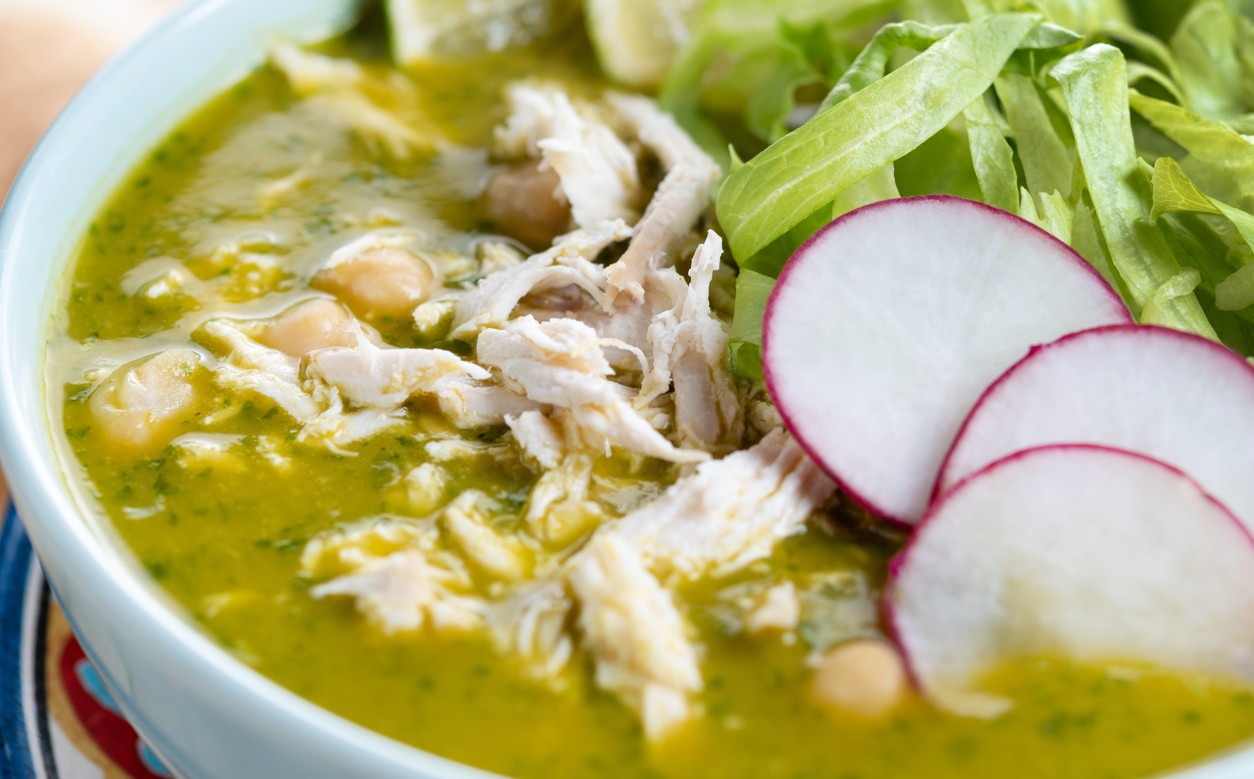
Pozole is Acapulco’s comfort food and a social ritual, especially on Thursday nights. The local specialty is pozole verde, made with pumpkin seeds and green chilies, and distinct from the red and white versions found elsewhere in Mexico. This hearty stew of hominy and pork is garnished with lettuce, radish, onion, and oregano.
Pescado a la talla is another signature dish, consisting of a whole fish, often red snapper, butterflied and grilled. One side is coated in a spicy red adobo, while the other is brushed with a tangy green parsley sauce. Camarones al ajillo are shrimp cooked in a rich, buttery garlic sauce and are a menu staple throughout the city.
Tacos de pescado and tacos de barbacoa are essential street foods, featuring either crispy battered fish or slow-cooked goat or lamb served on fresh corn tortillas. Chiles rellenos are often filled with seafood, reflecting the coastal setting. Popular drinks include coco loco and piña colada, served directly in coconuts or pineapples, while tuba, a lightly fermented palm wine, is sold by street vendors.
Everyday Acapulco & Guerrero Food
Breakfast is typically hearty, with dishes such as eggs a la mexicana, chilaquiles, or fresh tropical fruit. Lunch, known as comida, is the main meal of the day and often includes multiple courses, beginning with soup. Dinner is eaten later and is usually lighter, featuring tacos, tostadas, or ceviche.
Daily dining revolves around a mix of settings, from beachfront enramadas and small family-run fondas to the bustling Mercado Central, informal street taco stands, and scenic cliffside restaurants. Meals are social, informal, and deeply connected to beach life. Service is friendly and unhurried, and the concept of seafood being muy fresco is taken seriously. Food is enjoyed with aguas frescas, cold beer, or a classic michelada, and the pace encourages lingering rather than rushing.
Cultural Fusion: Indigenous Guerrero Roots, Spanish Influence, and Port City Exchange
Acapulco’s culinary foundation lies in the indigenous food traditions of Guerrero, centered on corn, chili, and local seafood. Spanish colonization introduced pork, chicken, dairy, rice, and onions, creating fusion dishes such as pozole, which combines pre-Hispanic hominy with Spanish-introduced meats.
As the endpoint of the Manila Galleon trade route for over 250 years, Acapulco became the gateway through which Asian goods and flavors entered the Americas. Ingredients such as coconut left a lasting mark on local cooking, particularly in sweets and sauces. The result is a table where ancient Nahua stews, Spanish-style garlic shrimp, and Asian-influenced coconut preparations coexist, reflecting centuries of global exchange along the Pacific coast.
Craft Beverage Scene and Local Libations
Acapulco’s beverage culture is driven by refreshment and celebration. Coco loco is the iconic beach drink, combining rum and other spirits mixed directly inside a fresh coconut.
Micheladas and cheladas are the beer cocktails of choice, blending beer with lime juice, sauces, and spices in salt-rimmed glasses. Local beers such as Victoria and Pacifico are widely available, while aguas frescas like horchata, jamaica, and tamarindo provide essential non-alcoholic refreshment.
Tequila and mezcal are enjoyed throughout the city, and raicilla, a lesser-known agave spirit from nearby Jalisco, occasionally appears on menus. Fresh coconut water, served straight from the shell, remains the purest beachside drink. What defines Acapulco is the easy ritual of enjoying an ice-cold beer or spicy michelada with your feet in the sand, followed by coconut water to cool down, creating a perfect rhythm of indulgence and refreshment.
International Dining and Contemporary Scene
As a historic international resort, Acapulco offers a range of international restaurants, particularly within hotel zones, serving Italian, Argentine, and American-style cuisine aimed primarily at visitors.
While there is a small modern Mexican and creative seafood movement, innovation is not the city’s primary focus. Instead, Acapulco’s dining soul remains firmly rooted in casual, family-run seafood enramadas, lively pozolerías, and authentic street food stalls. The emphasis is on celebrating and perfecting a fresh, flavorful local cuisine in an unbeatable coastal setting. For visitors, this means enjoying some of Mexico’s most iconic ceviches, aguachiles, and grilled fish in the very places that made them famous, all against the backdrop of the legendary bay.
Food Customs and Practical Tips
Dress is casual and beach-appropriate in most venues, and cover-ups are generally sufficient. Tipping of around 10 to 15 percent is customary in restaurants. Tap water should not be consumed; bottled or purified water (agua purificada) is recommended.
For an authentic experience, enjoy ceviche and aguachile at a beachfront enramada, sample pozole verde on a Thursday night at a local institution, and seek out a dedicated grill for pescado a la talla. Visiting the Mercado Central offers a raw, local perspective on Acapulco’s food culture, and busy street taco stands are often the safest and most rewarding places to eat.
Different areas reveal different flavors. The Zona Dorada caters to tourists with hotel dining and international restaurants, Playa Condesa and Icacos offer a mix of classic enramadas and lively bars, downtown Acapulco delivers the most authentic and affordable local food, and Pie de la Cuesta is ideal for simple seafood and sunset drinks. Balance a nostalgic restaurant visit with a meal at a rustic beach shack, and consider a guided food walk through the Mercado Central. Acapulco offers excellent value, particularly at local spots. Above all, embrace its culinary spirit, which is fresh, festive, unpretentious, and inseparable from the sea, best enjoyed with sand between your toes.
This guide covers what to eat in Acapulco, Mexico, from ceviche and aguachile to pozole verde, pescado a la talla, and coco loco. Use it to plan a flavorful journey through Mexico’s original beach paradise.
Check monthly weather averages for
Latest Secret Flying deals to Acapulco
Vancouver, Canada to Acapulco, Mexico for only $440 CAD roundtrip
Cheap flights from Vancouver, Canada to Acapulco, Mexico for only $440 CAD roundtrip with United Airlines.
View DealLos Angeles to Mexican cities from only $235 roundtrip
Cheap flights from Los Angeles to Mexican cities from only $235 roundtrip with Alaska Airlines, Aeromexico and Delta Air Lines.
View DealSan Francisco to Acapulco, Mexico for only $277 roundtrip (Aug-Oct dates)
Cheap flights from San Francisco to Acapulco, Mexico for only $277 roundtrip with United Airlines.
View Deal [adblockingdetector id="638efa67113bf"]